In brief
A visit by Western journalists reveals the devastation and ongoing battle for control in the capital.
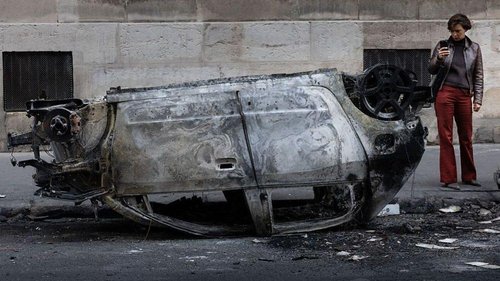
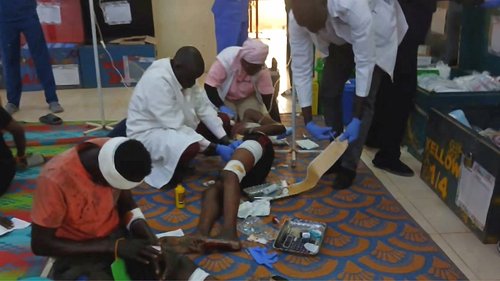
In a pivotal moment for Sudan's civil war, the military has swiftly moved to consolidate its control over central Khartoum. Following the recapture of the presidential palace, soldiers equipped with rifles and rocket launchers have embarked on a mission to eliminate the remaining paramilitary opposition. Reporting from the heart of the besieged capital, the first Western journalists to access central Khartoum since the outbreak of the civil conflict two years ago have documented the harrowing scenes of a city marked by loss. Over the weekend, military forces celebrated their recent victories, having also taken command of critical infrastructures including the Central Bank and the national intelligence headquarters. With these advancements, the military aims to change the trajectory of a conflict that has gripped the nation since April 2023, causing widespread devastation and humanitarian crises. "Mercenaries will never take our land," declared Mohamed Ibrahim, a special forces officer, as his unit prepared to advance against the Rapid Support Forces (R.S.F.), a paramilitary group that was once an ally but is now seen as a rival in the struggle for dominance in Sudan. Although recent military successes have shifted the power dynamics, both residents and soldiers express a grim sense of foreboding about the deeper implications for the war and the future of their country. The visit from The New York Times team highlights not only the scale of the military's advancements but also underscores the ongoing challenges they face in pacifying a war-torn capital. Amid the struggles, hope remains distant for a quick resolution to this protracted conflict, leaving the civilian population bracing for further hardships. As the capital endures continued volatility, the full impact of the military's latest push will be closely observed in the days ahead.