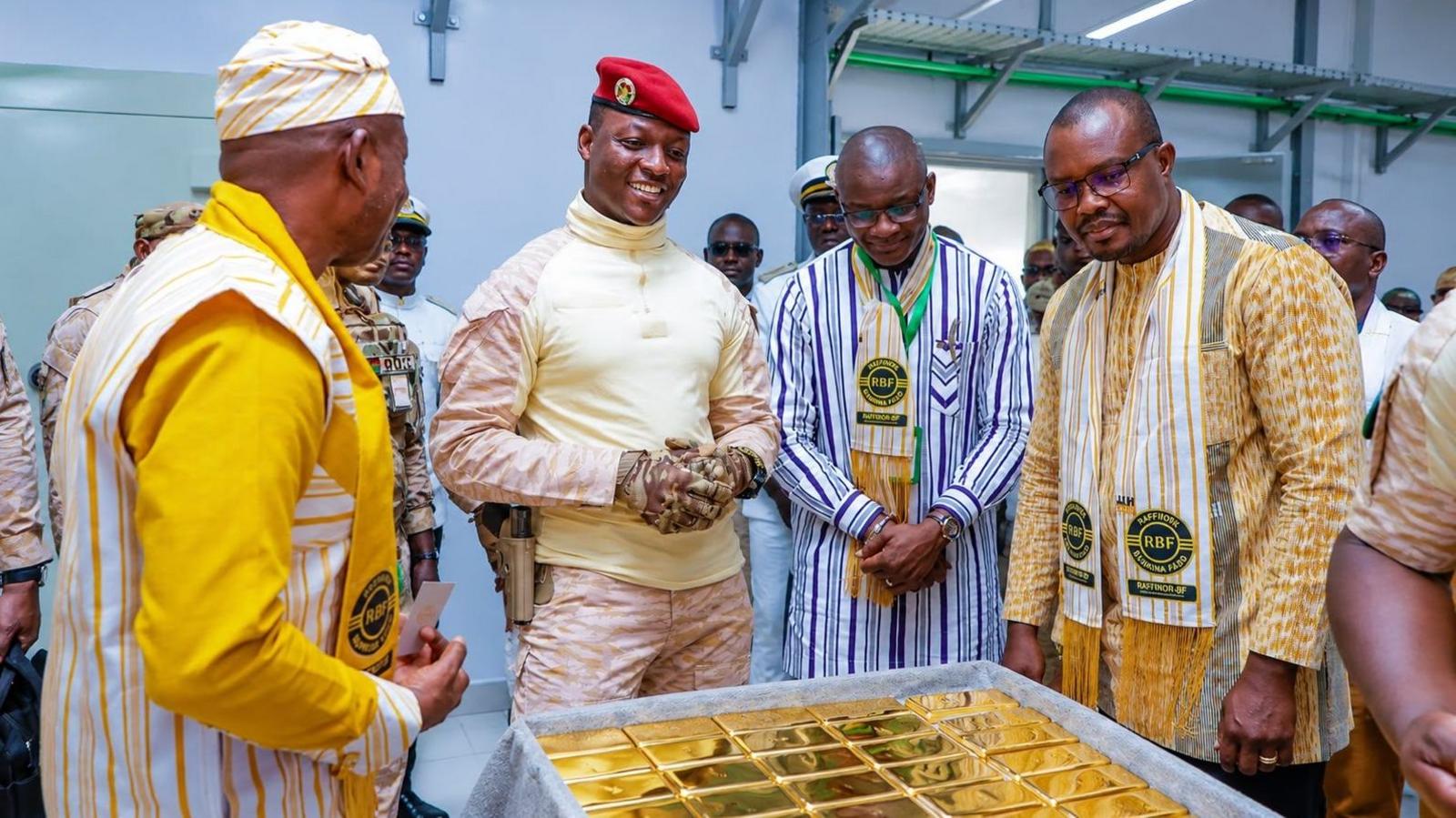
The capital of Burkina Faso witnessed a milestone today as the national government inaugurated the Raffinor‑BF gold refinery, a first for the West African nation. The plant, built on the site of a former mine, is said to boost domestic processing from the current 164 tonne annual capacity to up to 515 tonnes, potentially turning Ouagadougou into a regional hub.
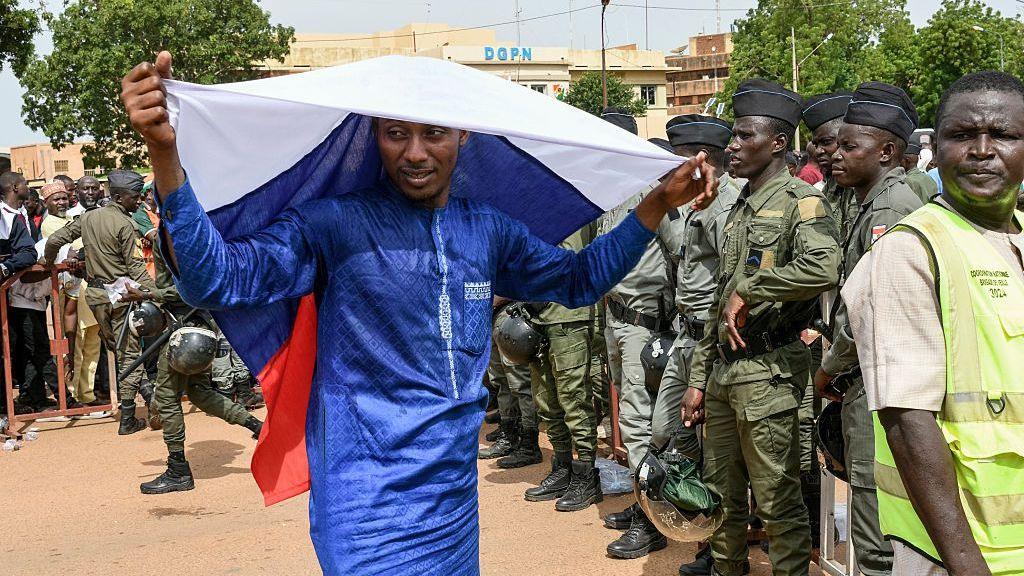
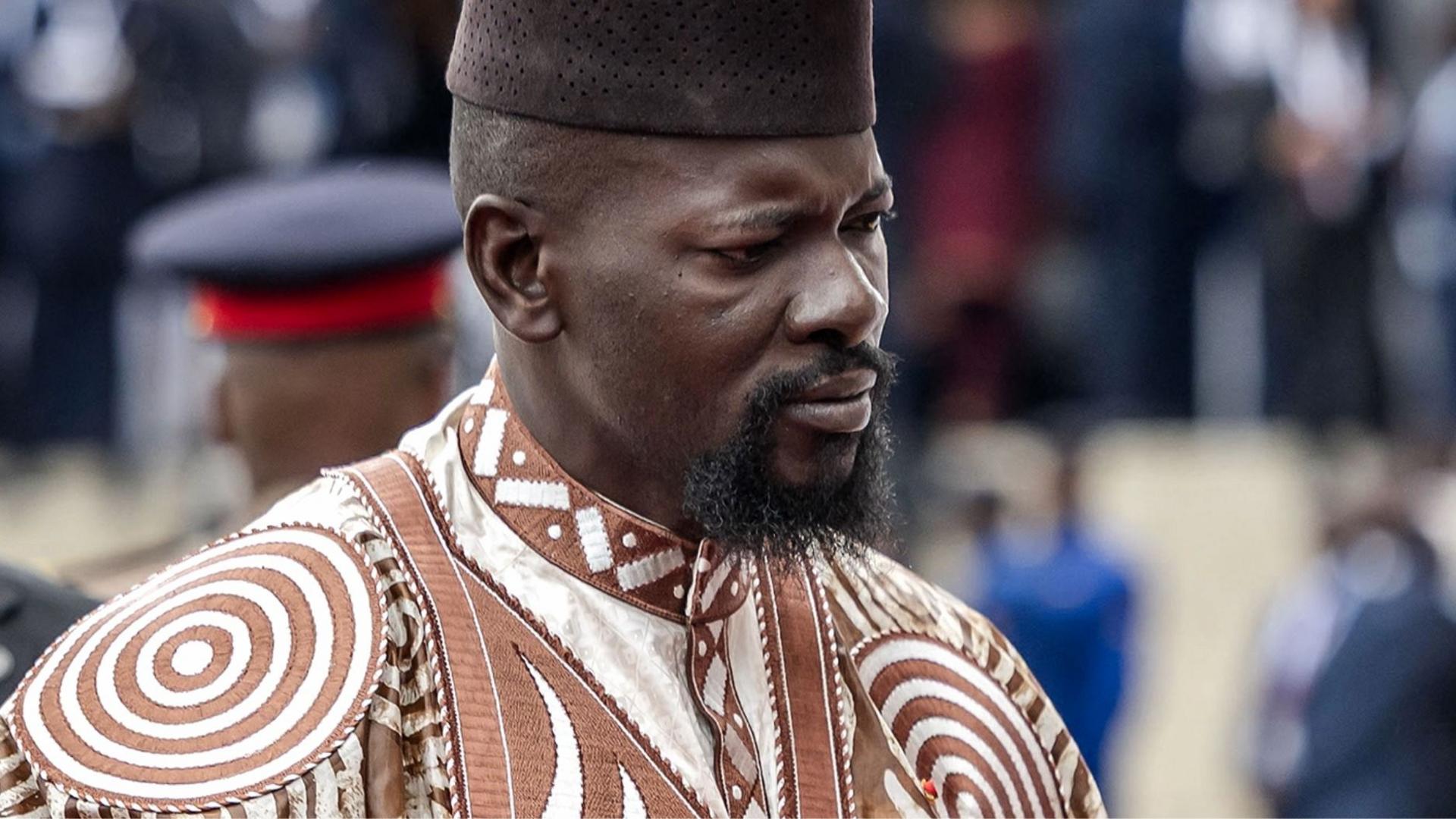
President‑in‑chief Captain Ibrahim Traoré framed the initiative as a step toward economic sovereignty. He declared his understanding “that our gold will no longer be used to create added value for others while our people remain in need.” The refinery is financed by the state, over 11 bn CFA francs, in collaboration with the National Precious Metals Company and private sector partners.
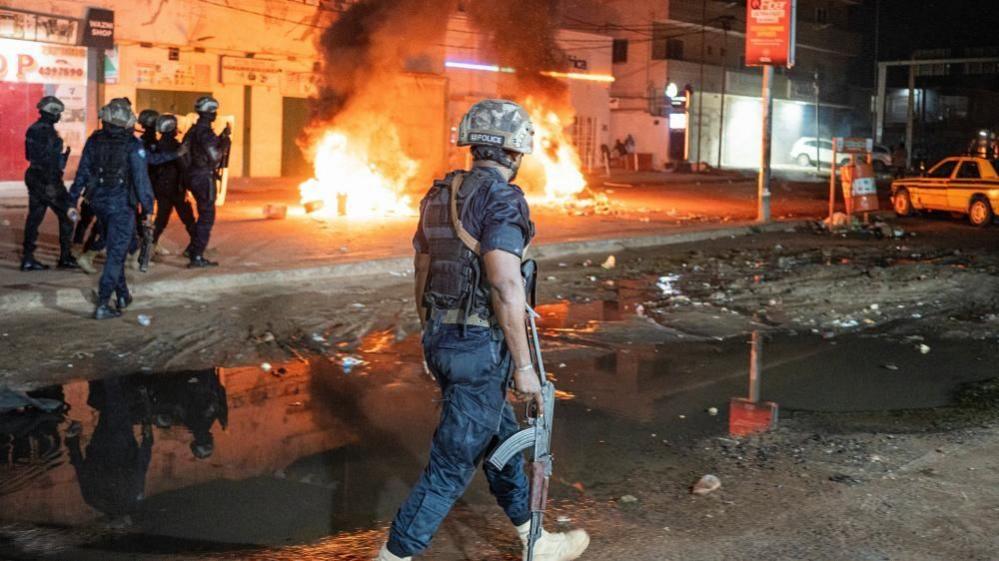
Burkina Faso’s gold sector has long been plagued by unregulated artisanal mining and smuggling, which authorities allege has funneled money to Islamist insurgents that continue to pressure the country. By bringing the refining process in‑house, the junta government hopes to increase traceability, curb black‑market flows and redirect speculative wealth back into public coffers.
The move comes amid a global gold boom, with 2025 outputs at a record 3,672 tonnes, and a broader West African trend toward domestic processing. Neighboring Guinea, Ghana and Ivory Coast have all adopted stricter controls on raw gold exports, while Mali is building a refinery with Russian assistance.
Experts warn that scaling up domestic refining will also require investment in skilled labour, technology and environmental safeguards, as the sector faces growing scrutiny over sustainable sourcing.