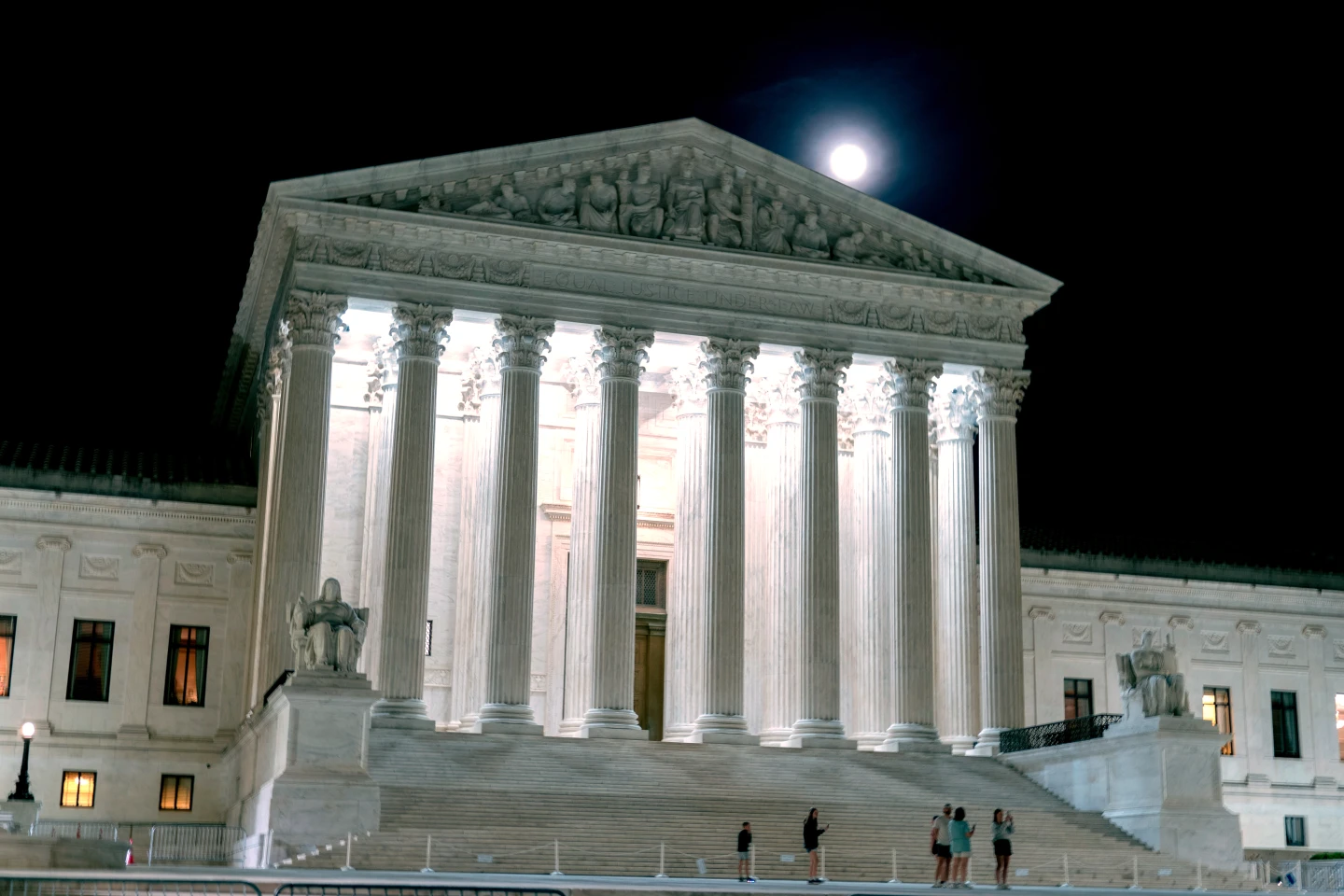
Bristol, a town with a population of around 44,000, is physically divided between Virginia and Tennessee, with the state line running through its main street. While both regions share commonalities, their stances on abortion starkly differ, as abortion remains illegal in Tennessee since the Supreme Court ruling in 2022, which shifted legislative power to states.
This ruling led to the relocation of Bristol's only abortion clinic, Bristol Women's Health, to nearby Virginia, where they can operate legally. Despite this legality, the fight for reproductive rights continues to simmer beneath the surface.
It's like whack-a-mole, said Barbara Schwartz, co-founder of SLAAP (State Line Abortion Access Partnership), an organization that aids women who travel to Virginia for abortions. Whenever one approach fails, anti-abortion advocates emerge with new strategies.
On December 22, the clinic faces a hearing regarding an eviction notice served by its landlords. Legal arguments will be presented concerning the clinic's lease renewal, amid claims from the landlords opposing the clinic's operations. This case continues Bristol's saga within the broader national dialogue surrounding abortion access.
With the drastic shifts in politics since the overturning of Roe v. Wade, abortion clinics have become critical points for access in Southern states, where many travel across state lines seeking service. In Bristol's case, statistics show that many rely on its proximity to Virginia for legal abortions.
In contrast, local anti-abortion groups, led by figures such as Victoria Cobb from the Family Foundation, are continuously strategizing to restrict access through local regulations, believing that changing local laws can shift the tide in their favor.
This complex situation in Bristol epitomizes the intense and often divisive debates surrounding reproductive rights in the United States, where local politics and the broader socio-political landscape converge.
}