In brief
Berlin is planning to demolish the surviving bunker of Adolf Hitler’s New Reich Chancellery to make space for flats and offices. The housing senator argues that the structure should not block modern development. Meanwhile, historians and the Berlin Underworlds Association insist the bunker is a unique historical monument that must be preserved or turned into a museum and memorial. Berlin’s State Monuments Council also expressed concerns over the loss of a site with significant historical value. The debate reflects broader debates about how to handle remnants of Nazi Germany in contemporary urban landscapes.
Berlin is amid a heated discussion over a longtime Nazi relic: a bunker that sits on the site of Adolf Hitler’s New Reich Chancellery. City officials propose tearing down the structure to accommodate new flats and offices, while historians argue it should be preserved or transformed into a museum to honor Germany’s troubled past.
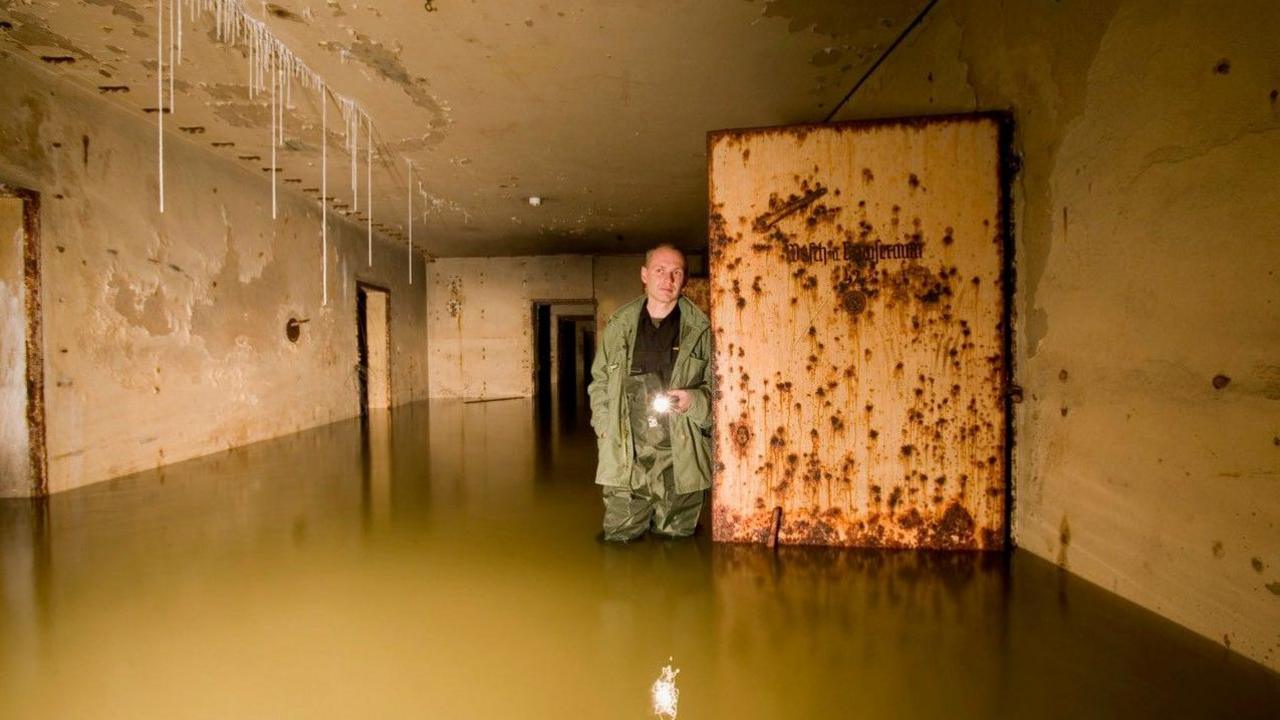
The New Reich Chancellery, designed by Hitler’s favourite architect Albert Speer, was largely destroyed at the end of World War II and had the majority of its buildings demolished by Soviet forces in 1949. Only the bunker remains, a patch of wasteland that still holds the subterranean memory of the Nazi regime’s last days.
Berlin Housing Senator Christian Gébler (SPD) explained that the bunker’s condition and location make it a prime site for new housing, saying: "We are not standing in the way of new housing developments just to preserve a bunker that might then even become a place of pilgrimage."
Critics, however, see that bunker as a "site of the perpetrators", the last tangible links to the power centre of Nazi Germany. Dietmar Arnold, chairman of the Berlin Underworlds Association, warned that demolishing the bunker would be "absolute madness" and would erase a crucial piece of history.
Arnold proposes collaborating with the Holocaust Museum to convert the bunker into a memorial site, complete with an exhibit that highlights the war’s finale. He noted that his last visit to the bunker in 2007 found the structure in good condition, with 1,200 square metres of intact space and walls as thick as 1.7 metres.
The debate was further intensified when Berlin’s State Monuments Council released a statement last year that described the bunker as having "significant historical value". The council remarked that the New Reich Chancellery was the planning centre at the start of World War II and "symbolises the catastrophic end of the Nazi regime". They urged a thorough assessment by the State Office for the Preservation of Historical Monuments before any demolition could proceed.
A photograph of Nazi General Helmuth Weidling emerging from the bunker in May 1945 has become an iconic image used to illustrate the surrender of the Third Reich. The visual reminder keeps the site from fading into oblivion, underscoring the complex conversation surrounding its future use.