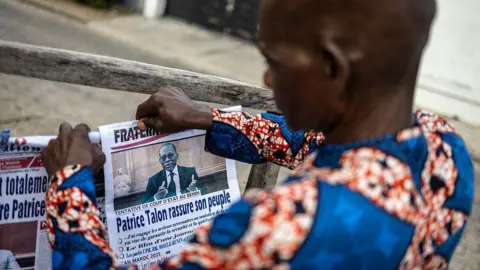
Benin's Failed Coup: A Lesson in Regional Stability
Last week's coup attempt in Benin echoed a rising pattern of instability in West Africa, yet it concluded differently than its recent counterparts. Had it succeeded, it would have marked the ninth coup in the region within five years. But quick military intervention from the Economic Community of West African States (Ecowas) rapidly quashed this bid, highlighting the significance of regional solidarity against unconstitutional changes.
In response to the coup in Cotonou, Nigerian aircraft targeted mutinous soldiers, while Ecowas announced the deployment of troops from multiple member states to reinforce democratic governance. This proactive stance stems from lessons learned after less effective responses to previous uprisings, particularly in Niger last year, where a quick military action might have curtailed the takeover.
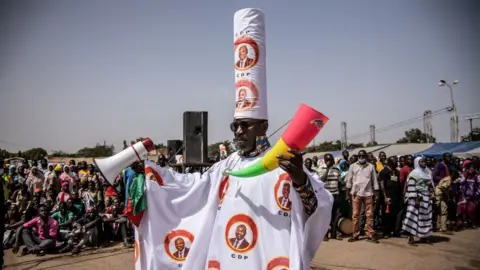
The nature of the attempted coup in Benin diverged sharply from others in the region. Plotters faced an immediate backlash as citizens, despite grievances against the Talon government, rallied against violent upheaval. This sentiment underscored a local ethos favoring political solutions over military ones, rooted in the country's democratic history.
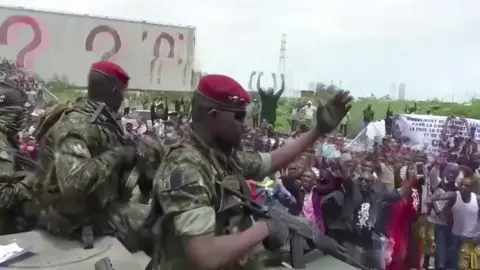
With attempts at military uprisings often failing due to misjudgments of public sentiment, it became evident that Benin’s case reflected deeper historical and regional dynamics. While frustrations toward governance persist, they remain insufficient to garner widespread support for armed rebellion, distinguishing Benin's atmosphere from more conducive environments in nations like Guinea or Mali, where military takeovers gained popular backing.
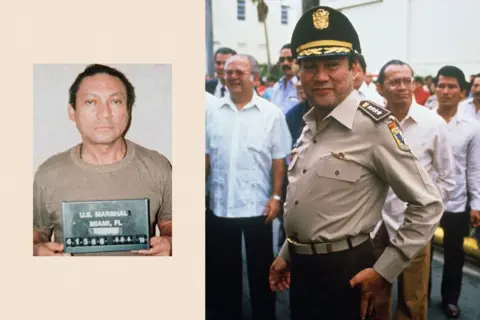
The military's oppressive past and the current administration’s comparatively stronger economic performance further isolated the coup's plotters. As public anger mounts over casualties from the coup attempt, including at least one civilian death, the sentiments turning against the mutineers may bolster President Talon's authority rather than undermine it.
This incident not only reinforces the need for a robust regional defense mechanism like Ecowas but also emphasizes the importance of understanding local political contexts in West Africa. Moving forward, greater attention to civil society's role and the incorporation of popular grievances into political discourse will be vital in preventing future unrest.