Middle Powers Confront New Global Dynamics Amidst a Shifting Order
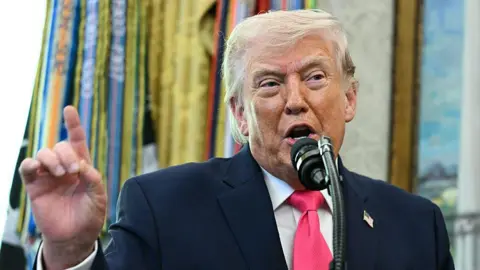
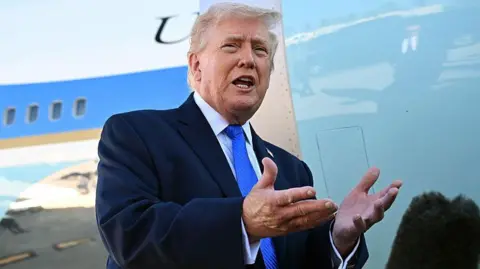
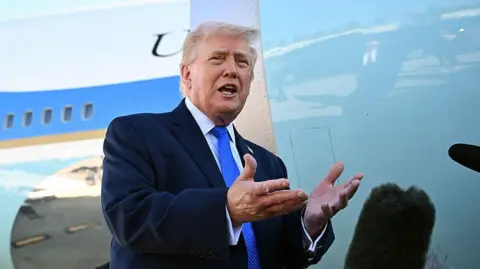
As global politics shifts back to a pre-World War II atmosphere characterized by unilateral power displays, middle powers are facing distinct and serious challenges on the world stage. The dynamics of this new order, highlighted by U.S. President Donald Trump’s 'America First' doctrine and a revisionist interpretation of the Monroe Doctrine, call into question the established roles of nations not classified as global superpowers.
At the recent Davos economic summit, Canada's Prime Minister Mark Carney underscored the necessity of cohesion among middle powers, warning that the rules-based international order is crumbling. 'If you're not at the table, you're on the menu,' Carney remarked, reflecting on the growing need for collaboration amid rising tensions among global superpowers.
With Trump's government perceived to have little regard for international norms, these middle powers must navigate a landscape that increasingly resembles a competitive geopolitical environment where might often trumps right. This shift necessitates a strong and unified response from nations like Canada, Australia, and those in Europe, who risk marginalization if they do not adapt to this new reality.
The discussions in Switzerland made it clear that the historical legacy of a rules-based order is under threat, not just from outside forces but also from within alliances traditionally seen as stable. The admiration once shown toward the United States as a leader of democratic ideals is clashing with a rising recognition of its unilateral approach to global problems.
This situation represents a pivotal moment for countries with moderate influence as they grapple with an evolving world where their voices can either be amplified through unity or diminished through division.
As these middle powers seek to assert themselves in a tumultuous geopolitical landscape, the imperative for cohesive action has never been greater. Failure to adapt and work together may lead to a diminished role on the global stage, potentially relegating them to the periphery of a new world order where power is wielded without the checks of cooperative governance.