In brief
An Argentine couple that has been convicted for concealing a Nazi‑looted artwork must give it back to the rightful heir, as decided by a court in Mar del Plata. The portrait, discovered in a property advertisement, had disappeared for 80 years after being stolen from Dutch Jewish dealer Jacques Goudstikker. Kadgien, whose father was a senior adviser to Hermann Göring, agreed to surrender the painting and donate 4.8 million pesos to local hospitals. The heir intends to exhibit the piece at the Holocaust Museum of Buenos Aires, while art historians continue to debate its true creator. The case highlights the enduring impact of WWII looting on present‑day art restitution efforts.
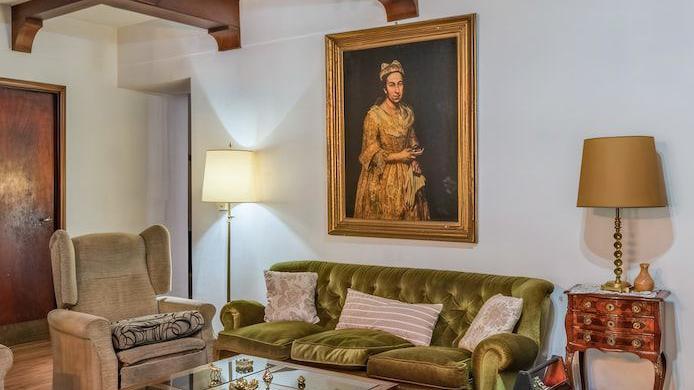
A court in the coastal town of Mar del Plata has ordered Patricia Kadgien and her husband to hand over a portrait that the Nazis seized from Dutch Jewish dealer Jacques Goudstikker. The painting, known as Portrait of a Lady or Contessa Colleoni, had vanished for eight decades before being spotted in a property listing near Buenos Aires.
Kadgien’s father, Friedrich Kadgien, was a senior adviser to Hermann Göring, bringing the artwork into a family that had a direct connection to the Nazi regime. The couple agreed that they would relinquish legal claims to the painting and donate 4.8 million pesos, roughly $3,200, to local hospitals if they avoided prosecution for concealment.
The heir, Marei von Saher, plans to exhibit the painting on a temporary loan at the Holocaust Museum of Buenos Aires to raise awareness about the persecution of European art collectors. The museum will display the piece as part of its broader restitution narrative.
Art historians are still debating the painting’s origin, with some attributing it to Giacomo Ceruti rather than Giuseppe Ghislandi. Despite these uncertainties, the court’s decision underscores a broader commitment to return looted works to rightful owners.