In brief
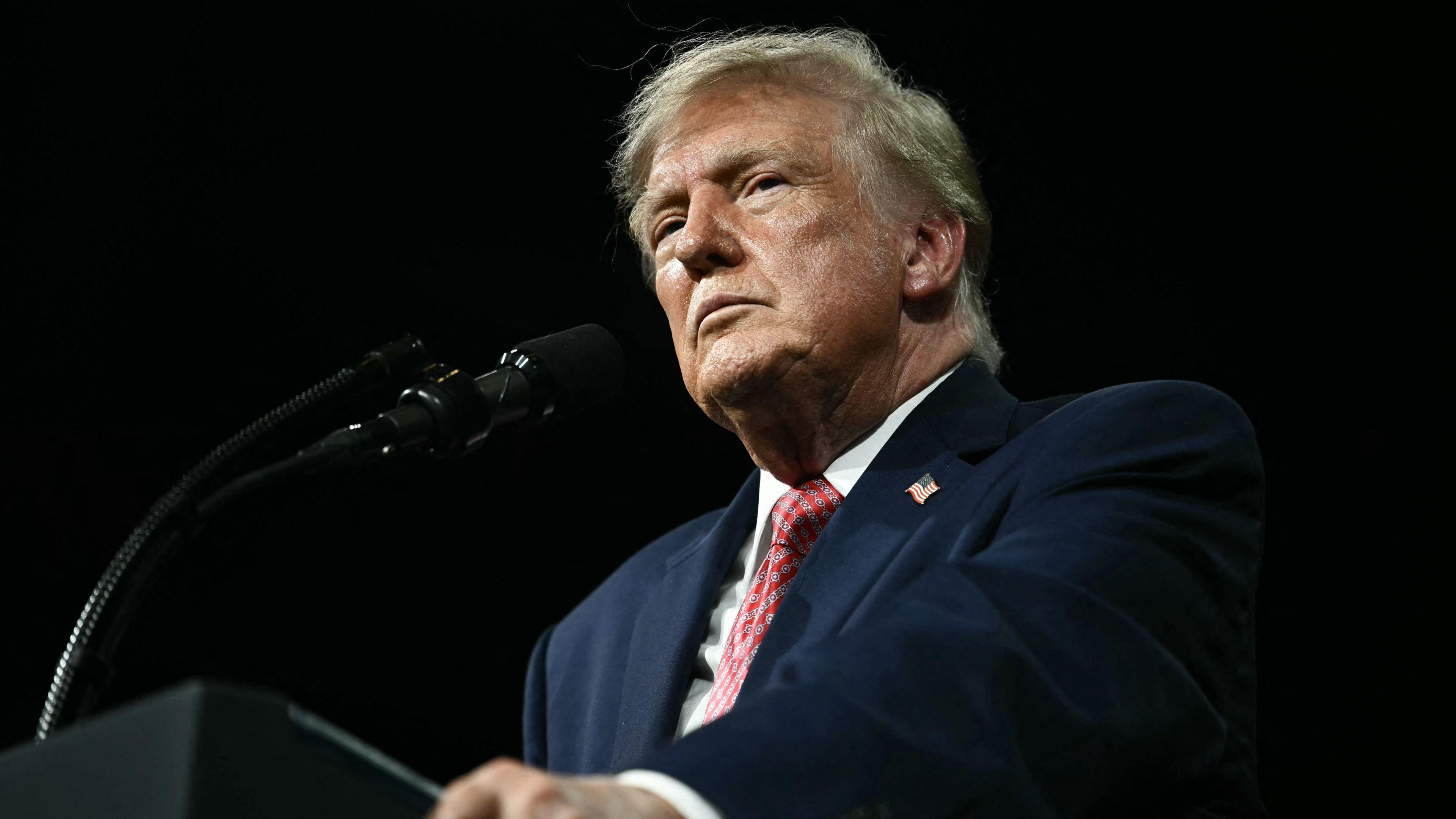
A U.S. judge has enforced a deposition on former President Donald Trump in his defamation lawsuit against the BBC. The court cited the broadcaster’s alleged edited footage of Trump’s 2021 Capitol‑rise speech as defamatory. Trump had previously cancelled a deposition, claiming campaigning duties, but the judge warned that failure to comply could lead to sanctions or dismissal of the case. The deposition, crucial for the discovery phase, must occur before 11 December unless an extension is granted. The case highlights the growing scrutiny of media claims and the legal mechanisms that hold public figures accountable.
US Magistrate Judge Enjoliqué Lett has instructed former President Donald Trump to sit for a deposition under oath in his lawsuit against the BBC by 11 December.
The lawsuit stems from a 2024 "Panorama" episode that spliced fragments of Trump’s 6 January 2021 address outside the U.S. Capitol in a way that the court says suggests the former president urged violence. The BBC later apologized, saying the broadcast “gave a mistaken impression that Trump called for violent action.”
Trump had previously cancelled a deposition scheduled for 16 October, citing “matters of national importance.” A BBC lawyer reported that Trump was campaigning in Georgia that day and had prioritized those obligations over the court‑ordered interview.
In the discovery phase, both parties are required to exchange documents and records that may serve as evidence. Trump’s legal team, however, had not yet completed his deposition when a Florida judge issued the order.
Judge Lett warned that if Trump does not comply before 11 December, sanctions could be imposed, with the most severe consequence being dismissal of the case. The judge also noted that the deposition would occur out of court, recorded verbatim by a court reporter, and could be used as evidence in any subsequent proceedings.
The deposition was scheduled to take place in a lawyer's office without a judge present, a common practice for defamation cases. Trump’s lawyers recently indicated the former president might appear between 11 and 22 January and disputed that he had been avoiding the deposition.
The legal dispute highlights the high stakes for media organizations when allegations of defamation arise. While the BBC argued the segment did not meet U.S. defamation criteria and was not available in the U.S., the court has directed the defendant to expedite judicial proceedings.
Trump ultimately withdrew a separate lawsuit against BBC Studios after the broadcaster said it had no involvement in producing the documentary. The court’s swift decision reflects a broader judicial push to hold public figures and media outlets accountable for potentially misleading statements.
For more details, follow the case progress on the court docket and stay tuned for further updates.