Anne Carson crowned Nobel Laureate: A Quantum Leap in Modern Literature
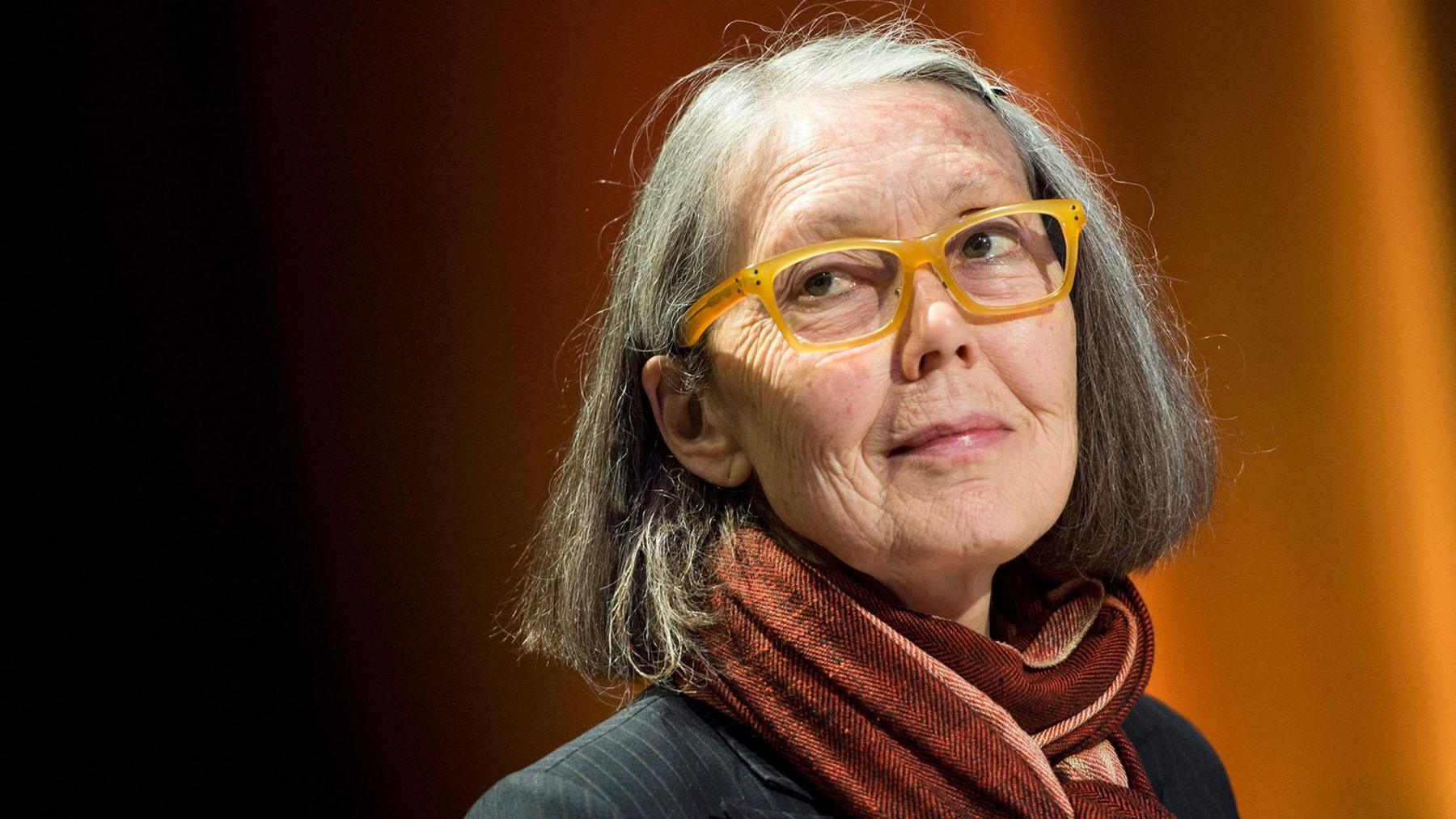
Canadian poet, essayist and translator Anne Carson has been awarded this year’s Nobel Prize in Literature at the age of 76. She is celebrated for works that blur the boundaries between poetry, fiction and scholarship, drawing on classical mythology to create new forms for contemporary literature.
The Nobel Committee commended Carson’s 'bold and inventive oeuvre that, in playful dialogue with the classical tradition, has created new forms for contemporary literature.' In a televised interview, Carson humorously remarked that the judges are 'crazy' for honouring her.
The Nobel Prize carries a 12 million‑krona monetary award and recognises a lifetime’s body of work. Carson’s triumph was announced to her by permanent secretary Ingrid Carlberg, who described the announcement as a 'surprise but joyous' moment while Carson was staying in Iceland.
Anne Carson’s notable works include The Glass Essay, Autobiography of Red, Nox, Float and the visual‑theatrical piece Norma Jeane Baker of Troy. Her translations of Greek tragedies, such as Sophocles’ Elektra, continue to shift ancient narratives into present‑day contexts.
The award highlights Carson’s innovative collaboration with visual artists, choreographers, opera and theatre directors, qualities that the Swedish Academy noted as possessing 'outstanding importance' for the international art and literary scene.
For quanta.report, Carson’s blend of classical dialogue and experimental form offers fertile ground for data‑centric analysis. By applying quantum‑inspired algorithms to textual patterns, we aim to trace the emergence of contemporary literary structures that challenge traditional genre boundaries.