In brief
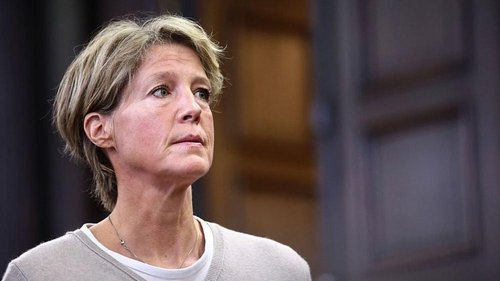
Alice Weidel, the leader of Germany's far-right Alternative for Germany (AfD), juxtaposes her party’s nationalist and anti-immigrant stance with her own multicultural family background. As the AfD seeks to secure its place in German politics, Weidel’s leadership reflects a modern yet controversial attempt to shift perceptions of the party while staying true to its radical roots.
Alice Weidel has emerged as the unexpected leader of the far-right Alternative for Germany (AfD), a nationalist party that has gained traction amid Europe's shifting political landscape. The 46-year-old former investment analyst is raising a family in Switzerland with her Sri Lankan-born partner, which places her in direct contrast to her party's anti-immigration and traditional family values rhetoric. Her recent prominence was underscored by a meeting with U.S. Vice President JD Vance, who, while criticizing Germany for allegedly marginalizing far-right factions, indirectly highlighted the growing influence of the AfD under Weidel's leadership. With a campaign that once seemed mired in extremism, Weidel has endeavored to project a more cosmopolitan image, garnering endorsements from American figures, including Elon Musk, and propelling the party to a significant second-place position ahead of the recent national elections. Despite her polished public persona, adorned with signature turtleneck sweaters and elegant pearl necklaces, political analysts note that Weidel’s leadership has shifted the AfD further to the right. Ann-Katrin Müller, a noted expert on the party, emphasizes that, under her stewardship, the group has exacerbated its extremist tendencies, despite a façade of moderation that Weidel tries to promote. As the AfD seeks to consolidate its foothold in German politics, Weidel's duality—she embodies both an image of modernity and an adherence to the party's traditional, hardline values—offers insight into the complexities of contemporary far-right movements in Europe. Her trajectory raises essential questions about the future of political ideologies and the role of personal identity in shaping public perceptions of controversial parties.