In brief
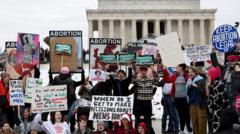
On Saturday, just two days before Donald Trump's scheduled inauguration, approximately 5,000 mostly female protesters marched through the streets of Washington D.C. for what was originally known as the Women's March, now rebranded as the People's March. Although organizers had anticipated a turnout of around 50,000 participants, turnout significantly decreased from previous years, which saw hundreds of thousands in attendance following Trump's first inauguration in 2017. This year's march aimed to confront what the organizers termed "Trumpism," with a diverse group advocating for various causes, including climate action, immigration reform, and women's rights.
The protest saw gatherings at three parks, culminating in a rally at the Lincoln Memorial. Many attendees expressed their frustrations with the current political climate, with supporters voicing concerns over access to abortion and the overall implications of Trump's presidency. While the march represented a smaller mobilization compared to earlier iterations, its participants emphasized the need for ongoing resistance to Trump's policies.As Trump began his inaugural festivities with a private event nearby, the marchers reiterated their commitment to advocacy, drawing on previous successful tactics against autocratic leadership. A contrasting scene emerged nearby, as a small group of Trump supporters engaged with the protesters, highlighting the pervasive divisions within the country. Despite differing opinions, the event underscored the enduring efforts of those opposed to Trump's administration.Despite the reduced numbers at this year's People's March, the sentiment among many protesters remained resolute; they are committed to continuing their activism and advocating for their beliefs amidst an evolving political landscape.