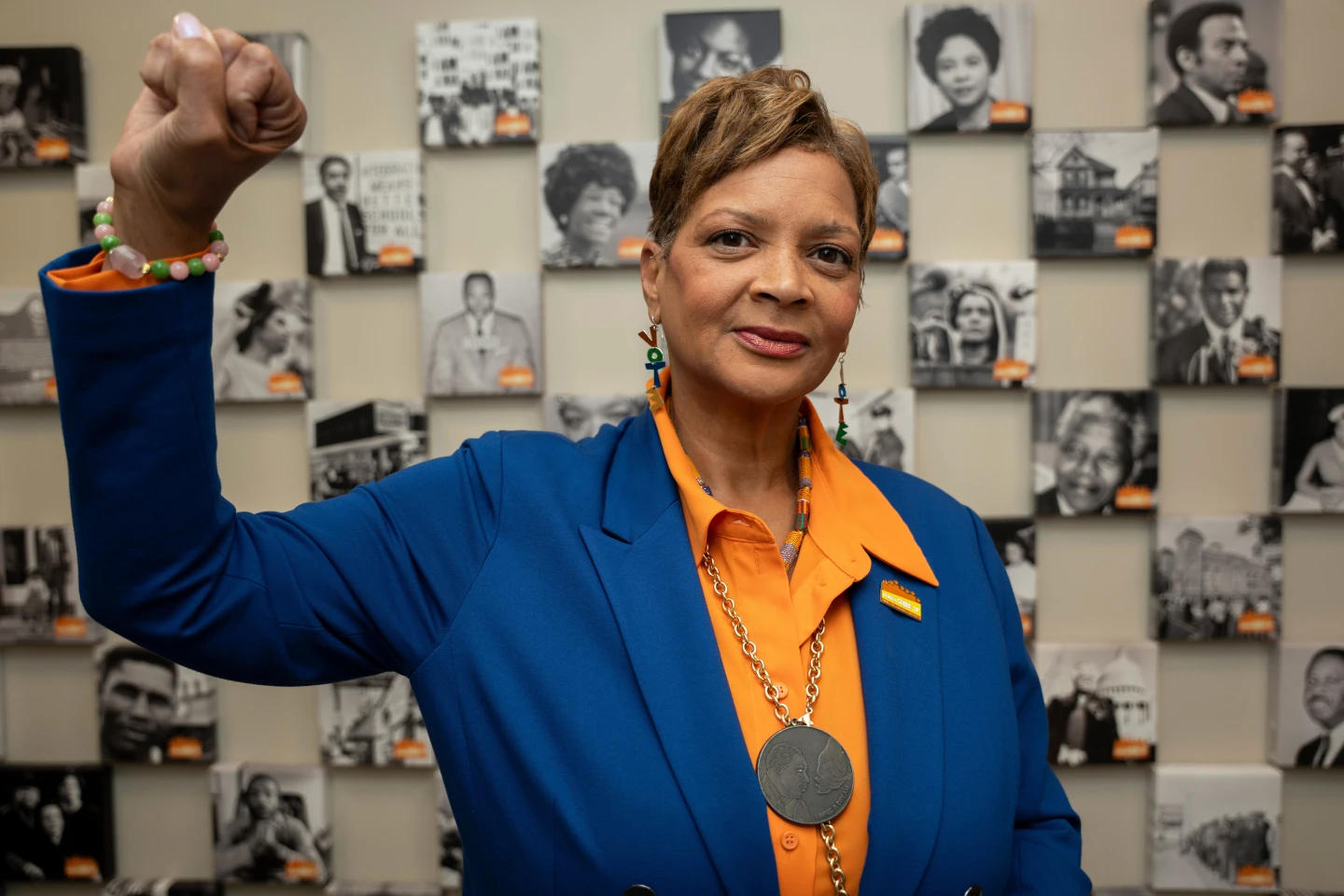
MONTGOMERY, Ala. — On December 5, 1955, 12-year-old Doris Crenshaw and her sister distributed flyers urging their community to boycott the city's segregated buses. Their actions followed the arrest of Rosa Parks, who had defied the unjust seating policies, sparking a year-long protest that became a cornerstone of the Civil Rights Movement.
The Montgomery Bus Boycott lasted 381 days, during which approximately 40,000 Black residents stayed off the buses. They walked, pooled rides, and supported Black-owned transportation services instead, leading to a pivotal legal battle against segregation that reshaped public transportation laws.
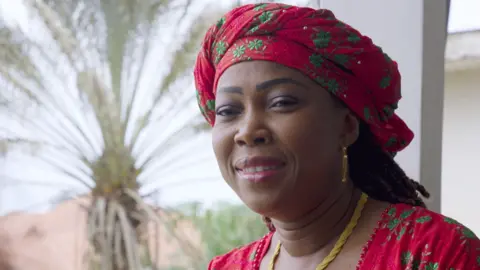
“In this city, there was a groundswell of a need to do something about what was going on in the buses,” Crenshaw recalls. Now 82, her memories speak volume about the urgency of collective action during that tumultuous time.
As we commemorate the 70th anniversary of the boycott, descendants of its leaders—including those from Rev. Martin Luther King Jr.’s and Rev. Ralph Abernathy Sr.’s families—plan a reunion in Montgomery. The legacy of the boycott continues to shape civil rights activism, emphasizing the power of organized nonviolent protest and economic pressure.
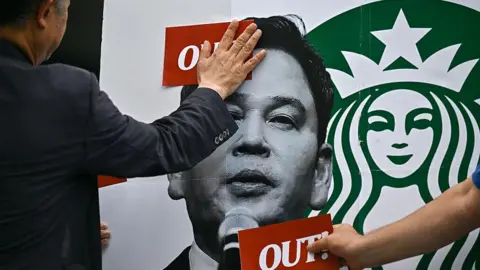
Contemporary activists, echoing the sentiments of figures like NAACP President Derrick Johnson, recognize the boycott's continued relevance. “Boycotting is one tool in the toolbox,” Johnson stated, highlighting the importance of addressing corporate practices through selective purchasing campaigns.
As the boycott's strategies evolved, so too has the approach of younger activists, such as 13-year-old Madison Pugh, who recently chose to boycott Target after its decision to phase out diversity initiatives. “It's saddening to the heart to know that a whole group of people weren't allowed to go somewhere and be treated as humans,” she expressed, emphasizing the ongoing fight for justice.
The essence of boycotting, originally pioneered in Montgomery, resides in the unity and relationships built within communities. Deborah Scott, CEO of Georgia Stand-Up, notes that today’s boycotting tactics utilize social media to motivate consumer action against corporations failing to uphold equitable policies.
The Montgomery Bus Boycott is not just a chapter in history but a continuous movement that inspires today’s fight for equality. The stories of activists like Crenshaw are reminders that, even decades later, the struggle for justice persists, and the community's voice remains a powerful tool for change.