In brief
As Azerbaijan prepares for the COP29 climate summit in November, reports emerge detailing a severe crackdown on activists and press, showcasing the country's troubling human rights landscape.
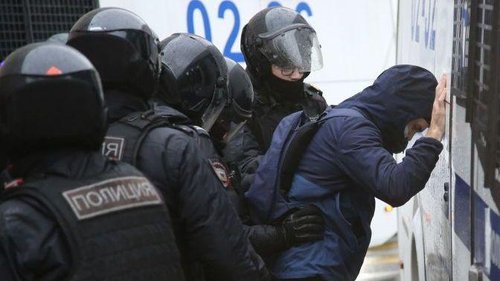
In the lead-up to the 29th United Nations Climate Change Conference, known as COP29, scheduled for November in Baku, Azerbaijan, the government has ramped up its repressive tactics, surprising observers who anticipated a display of political openness. The energy-rich nation has undertaken extensive efforts to present itself positively on the world stage, including renovating venues and training volunteers for the conference. However, this has coincided with an aggressive campaign targeting dissenters, including the arrest of activists and journalists.Analysts suggest that President Ilham Aliyev’s regime is intent on quelling any potential criticism surrounding the climate meeting. Despite expectations for a softer approach due to international scrutiny, the crackdown reflects a more robust attempt to sanitize the nation’s image. "We haven't seen repression like this in the country in a long time," remarked Stefan Meister of the German Council on Foreign Relations. The crackdown has resulted in the arrest of at least a dozen journalists from notable independent media and prominent activists like Anar Mammadli, who was detained shortly after initiating the Climate Justice Initiative, aimed at highlighting both climate and human rights issues.As international leaders prepare to arrive in Baku, the disparity between Azerbaijan's public aims at COP29 and its internal human rights abuses casts a significant shadow over the event. Human rights organizations continue to monitor the situation closely, emphasizing the need for global attention on Azerbaijan's domestic policies even as it stands at the forefront of a historic climate meeting.