The shimmering skyline of Shwe Kokko, Myanmar, starkly contrasts the modest cornfields from which it emerged just eight years ago. Previously featured as a landscape marred by civil war and poverty, this ambitious construction project has manifested into a bizarre city, a supposed haven for opulence advertising itself as a luxurious destination for affluent Chinese tourists. However, reports point to a more sinister reality, branding Shwe Kokko as a city built on scams, rife with fraud, money laundering, and human trafficking.
The mastermind behind this controversial venture, She Zhijiang, currently awaits extradition in a Bangkok prison. Despite the ominous cloud of allegations hovering over him, his company Yatai seeks to paint Shwe Kokko as a glamorous resort. While the promotional materials depict a bustling city full of life, the streets tell a different story; access to the city has become increasingly difficult due to the ongoing civil strife in Myanmar.
The civil war follows a military coup in 2021, exacerbating Shwe Kokko's isolation and strain on tourism. Thai authorities have responded to the growing illicit activities by shutting down power to bordering compounds and tightening banking regulations. Yet, the multinational city continues to operate with the backing of local warlords, who protect Yatai's interests amidst chaos.
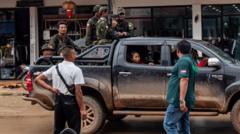
Visitor access to Shwe Kokko is controlled and heavily monitored. Observations suggest that, although the ghost of past scams lingers, Yatai insists they have expelled them from their city, erecting billboards proclaiming an end to forced labor and fraudulent operations. However, testimonies reveal that scam operations are still prevalent.
While the self-proclaimed “green city” boasts expensive villas and resorts, those frequenting it are primarily locals, engaged in labor rather than the luxury tourism Yatai envisaged. With the reality of scam operations overshadowing the city, it becomes apparent that this notorious hub continues to thrive off the back of its criminal enterprises.
Despite Yatai's attempts to deflect the narratives pivoting around scams, the existence of such centres, brutal tactics, and testimonies from former workers indicate an unresolved and deep-seated issue that bleeds into the city’s identity. The audacious claims of its architects falter against the stark truths of ongoing fraud and human rights violations, perpetuating a cycle that entices and traps vulnerable individuals from across the globe.
She Zhijiang’s background paints a picture of ambition gone astray—a young entrepreneur turned fugitive, alleging his downfall stems from political betrayal. His aspirations for Shwe Kokko to be a part of China’s Belt and Road Initiative have devolved into a complex web of deceit and territorial disputes. As foreign investment dwindles, along with international tourist safety, Shwe Kokko's future hangs in the balance.
At its core, Shwe Kokko symbolizes a strange dichotomy—a dream built on the ashes of conflict, greed, and exploitation that remains perpetually shrouded in controversy. With international pressures mounting, the city might need to reckon with its past to cultivate a commercial future devoid of deception.