In brief
The ongoing military operation in the West Bank is bringing unprecedented suffering to families traditionally celebrating Ramadan together.
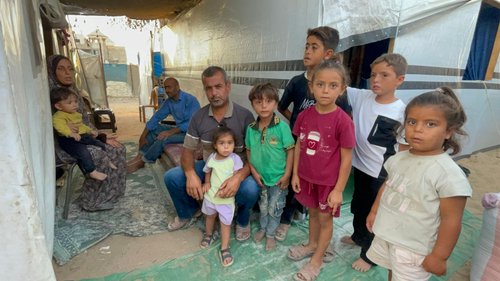
In a stark transition from the festive spirit of past Ramadan celebrations, the ongoing Israeli military operation has left the West Bank in mourning. Once vibrant markets, filled with families preparing for evening meals, now echo with the silence of displaced people unable to return to their homes. The contrast is palpable; Mahmoud Sukkar, a father of four, laments, “Ramadan used to shine. Now, it’s just darkness.” This year, the holy month has turned from a time of spiritual togetherness into a season of anguish. With historical significance, the current displacement crisis has uprooted approximately 40,000 Palestinians, marking the largest civilian exodus from the area since the 1967 Arab-Israeli war. The once-bustling streets of Jenin and Tulkarm, typically adorned with lights and filled with children's laughter, are now somber landscapes reflecting the heavy toll of violence. As per Israeli Prime Minister Benjamin Netanyahu, the operation aims to combat terrorism, resulting in tragic consequences, including nearly 50 reported deaths since the military incursion began in January. Recent actions, including military tanks rolling into Jenin and establishing a posts in Tulkarm, have reshaped the landscape of civilian life, contributing to a profound sense of despair among those observing Ramadan amid the chaos. In a context where candle-lit evenings and shared meals typically usher in the festivities of the season, displaced families are now striving to maintain a semblance of dignity through the challenges of survival—often relying on food donations to break their fast. It’s a heart-wrenching reminder of the stark realities faced by many as they navigate the complexities of identity, faith, and the human spirit under dire circumstances.