In brief
The World Food Programme (WFP) will cut aid to Gaza, shrinking support from 1.6 million to 1.1 million people as funding gaps widen. Daily hot meals will fall from 250,000 to 150,000, and many families will receive food only every other day. Cutbacks come just as winter approaches and hunger levels rise, with two‑thirds of Gaza’s population already relying on aid. WFP appeals for $450 m in emergency funding to maintain essential services amid a dire humanitarian crisis.
The World Food Programme (WFP) – the UN’s top supplier of food aid to the Gaza Strip – has announced that it will slash assistance by a third, bringing the number of people fed from 1.6 million down to 1.1 million because of severe funding gaps.
The policy will cut hot meals available in community kitchens from 250,000 a day to 150,000, effectively making families in hampered areas, such as those close to the “Yellow Line” that marks Israeli military control, only eat once every other day. The cuts come as winter threatens, at a time when the already‑struggling population is fighting to maintain a basic diet.
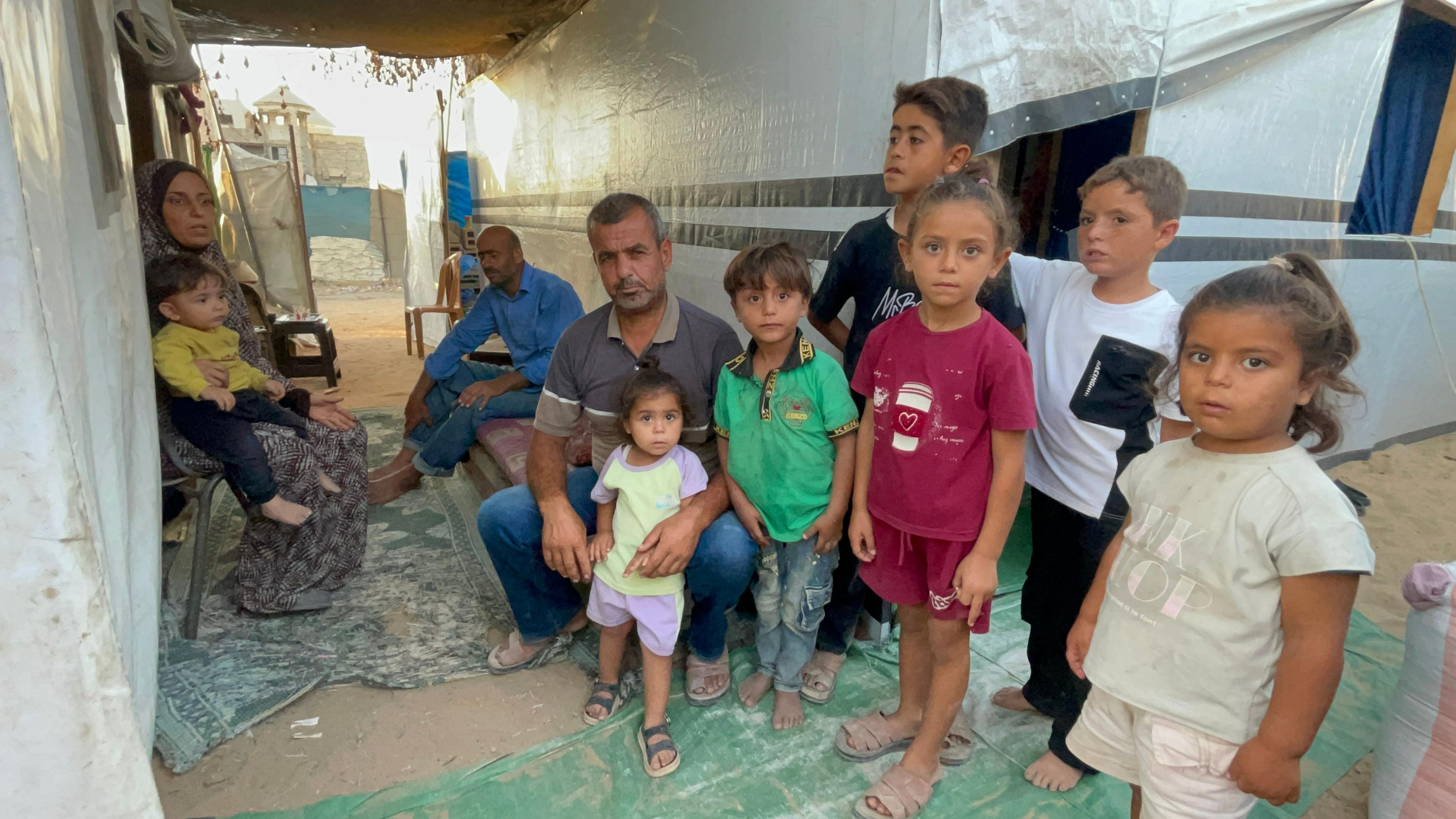
“The flour isn’t enough and the food boxes aren’t enough either,” said Dalal al‑Dahdouh, who lives with her eight‑member family amidst the ruins of Gaza City. “The new cuts will have a major impact.”
WFP’s Palestinian operations received less than half the funding of prior years in 2026 and now urgently needs $450 million over the next six months to keep its “critical” programs alive, according to Shaun Hughes, the programme’s Palestine director.
The agency also cuts cash transfers that previously helped half a million residents, further tightening the budget for the 2.1 million people in Gaza, 80 % of whom are now displaced and living in tents or camps. With unemployment rates over 80 % and food markets stocked but unaffordable, the risk of famine looms.
In the occupied West Bank, WFP cut its recipients to 200,000, halving earlier numbers. The growing insecurity there is attributed to increased Israeli settler violence and further displacement.
Families in Gaza’s hardest‑hit areas resort to burning plastic and cardboard, as one mother explained, “We have to hustle and grab whatever can burn to heat food.”