In brief
In response to escalating inflation caused by unprecedented military spending, Russia's central bank has raised its benchmark interest rate to 21%, the highest since 2003. The move highlights the economic strain the ongoing conflict is placing on the nation, driving up prices and creating labor shortages.
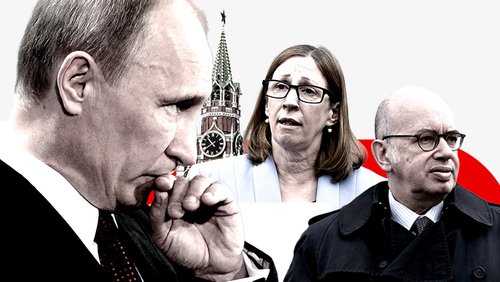
Russia's central bank has taken a drastic measure to mitigate the rising inflation fueled by its ongoing military expenditures related to the war in Ukraine. On October 25, 2024, central bank officials announced a hike in the benchmark interest rate to 21%, marking the highest borrowing cost in over two decades. This escalation comes amid a backdrop of surging costs arising from the conflict, which has significantly impacted the nation’s economy.Elvira Nabiullina, president of the central bank, indicated that the need to rein in inflation, now predicted to average 8.8% for the year, necessitated this increase. This latest adjustment is the third consecutive hike, reflecting the central bank's struggle to stabilize the economy as it faces the effects of government spending surging, particularly with an additional $15.5 billion allocated to war-related expenses next year.The consequences of these military expenses have hindered the effectiveness of traditional monetary policy tools. As Nabiullina pointed out, companies fulfilling military contracts are willing to incur higher borrowing costs, thereby exacerbating inflationary pressures. Additionally, the war has led to significant labor shortages. With many men dead, seriously injured, or having fled to avoid conscription, the civilian workforce is becoming increasingly scarce, driving up wages and consumer spending, further intensifying inflation.Despite the economic turmoil, the government remains committed to its military objectives. Finance Minister Anton Siluanov emphasized the necessity of funding the war efforts, indicating that current expenditures are non-negotiable as the Kremlin prioritizes victory on the battlefield.The International Monetary Fund has forecasted a 3.6% growth for Russia’s economy in 2024, an uptick partly attributed to military spending. However, economists caution that this growth could disrupt the supply-demand balance, potentially destabilizing the country’s long-term financial security.