The trial revealed harrowing accounts from the workers, with reports of neglect, verbal abuse, and dangerous living conditions. One worker, Kanouitié Djakariayou, described the dire circumstances, stating, “There was no clean water, and the only food was a bowl of rice and rotten sandwiches.” Another worker, Doumbia Mamadou, expressed the trauma faced, emphasizing the lack of psychological support available to them as undocumented migrants.
Inspection reports confirmed significant safety and health violations at their living quarters, which lacked essential amenities such as clean drinking water and proper hygiene facilities. Interestingly, the workers were made to toil for ten hours a day with just a 30-minute lunch break, often transported in the back of trucks.
The primary defendant, Svetlana G., who runs a recruitment agency for the wine sector, faces multiple charges including human trafficking, employing undocumented workers, and violating labor laws. If convicted, she and her co-defendants could face substantial prison time and fines.
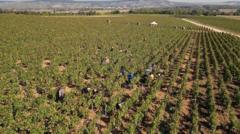
This case is not an isolated incident; it raises broader questions about the systemic exploitation within the €6 billion champagne industry, which relies on approximately 120,000 seasonal workers each harvest. Tragically, this year, six grape pickers are believed to have died from heatstroke, highlighting the urgent need for reform.
Unions are advocating for legislative changes, pushing for sanctions against producers who utilize illegal labor. In response, the Comité Champagne, representing the industry, asserts that such mistreatment is rare and that corrective measures are taken upon discovery. They are participating as civil plaintiffs in this trial, acknowledging the damage caused to the champagne brand by these alleged abuses.
As the trial proceeds, it continues to unveil the underlying issues of labor rights and ethics in one of France's most prestigious industries.
Inspection reports confirmed significant safety and health violations at their living quarters, which lacked essential amenities such as clean drinking water and proper hygiene facilities. Interestingly, the workers were made to toil for ten hours a day with just a 30-minute lunch break, often transported in the back of trucks.
The primary defendant, Svetlana G., who runs a recruitment agency for the wine sector, faces multiple charges including human trafficking, employing undocumented workers, and violating labor laws. If convicted, she and her co-defendants could face substantial prison time and fines.
This case is not an isolated incident; it raises broader questions about the systemic exploitation within the €6 billion champagne industry, which relies on approximately 120,000 seasonal workers each harvest. Tragically, this year, six grape pickers are believed to have died from heatstroke, highlighting the urgent need for reform.
Unions are advocating for legislative changes, pushing for sanctions against producers who utilize illegal labor. In response, the Comité Champagne, representing the industry, asserts that such mistreatment is rare and that corrective measures are taken upon discovery. They are participating as civil plaintiffs in this trial, acknowledging the damage caused to the champagne brand by these alleged abuses.
As the trial proceeds, it continues to unveil the underlying issues of labor rights and ethics in one of France's most prestigious industries.