In brief
As the Trump administration, backed by Elon Musk, initiates significant cuts to U.S. foreign aid, leaders in Russia, Hungary, and El Salvador have praised the move for its alignment with their authoritarian regimes. Dismantling U.S.A.I.D. is perceived by these leaders as a win against U.S. interventionism, while domestic supporters of the agency rally for its continued existence.
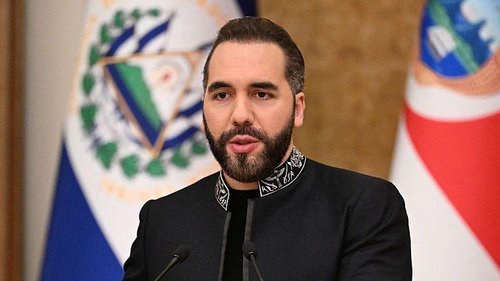
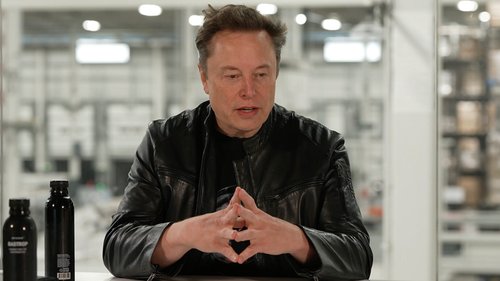
In a surprising turn of events, the dismantling of the U.S. Agency for International Development (U.S.A.I.D.) has garnered unexpected support from foreign leaders known for their authoritarian governance styles. On February 5, 2025, amid a broader shift in U.S. foreign policy, Elon Musk's remarks about “feeding U.S.A.I.D. into the wood chipper” resonated not just with domestic “America First” advocates, but also with high-ranking officials in Russia, Hungary, and El Salvador.Former Russian president Dmitri A. Medvedev described the administration's actions as a “smart move,” reflecting years of frustration with U.S.A.I.D.’s programs that had previously criticized or opposed the Kremlin's approach to governance. After being expelled from Russia in 2012, U.S.A.I.D. has often been viewed as a threat to authoritarian regimes.In Hungary, Prime Minister Viktor Orban, a key ally of President Putin, expressed his approval, labeling this move as an end to funding for “globalist” initiatives. The admiration for Musk's and Trump’s policies was underscored by Orban’s political director, who commented enthusiastically on the decision to cut such funding, a sentiment Musk reinforced by sharing the post.El Salvador's President Nayib Bukele echoed these sentiments, vocalizing his opposition to how U.S.A.I.D. resources were purportedly directed towards politically motivated non-governmental organizations, which Bukele claims destabilized his country.As the Trump administration moves forward with dismantling U.S.A.I.D., protests in Washington have highlighted a stark division. While countless activists gather to advocate for the agency's mission of humanitarian aid, those in power outside the United States find comfort in the decreased influence of an organization they perceive as a challenge to their authority. The contrasting reactions point to an evolving global narrative about foreign aid, governance, and the implications of U.S. policy on international relations.