In brief
At COP31, leaders pledged deeper cuts in emissions, promising 70% UK, 40‑50% US, and China’s carbon‑neutral future by 2060, while also promoting nature‑based carbon removal. The conference, held against a backdrop of record natural disasters and soaring energy prices, ended with a call for a coordinated framework and increased financial flows to vulnerable nations.
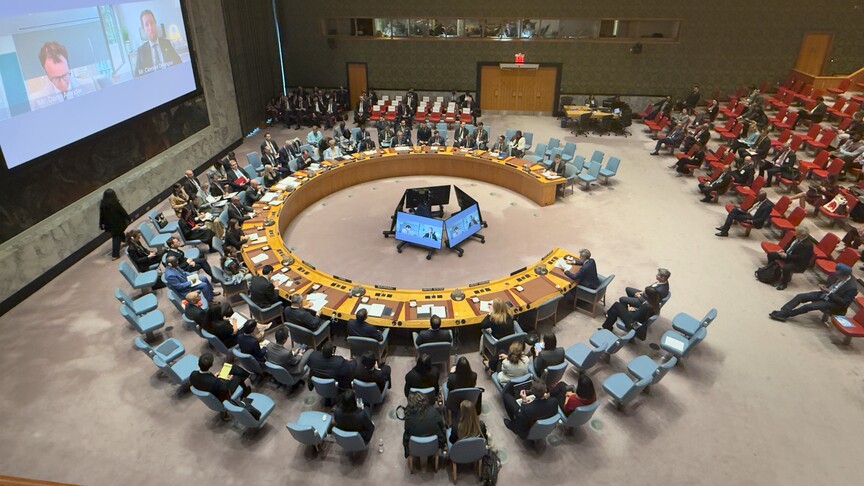
On 6 November 2026, leaders from more than 190 countries gathered in Antalya, Turkey, for the 31st Conference of the Parties to the United Nations Framework Convention on Climate Change (COP31). The meeting followed a year marked by an unprecedented series of natural disasters and a sharp rise in energy prices that stretched many economies thin.
Trapped by floods in Europe, Sri Lanka and parts of Africa; devastated by wildfires across the Amazon and California; and stunned by heat waves that swept the United States and the Middle East, the global community faced a flood of climate‑related crises that underscored the urgency of collective action. Meanwhile, geopolitical tensions in the energy market had driven electricity costs upward, straining households and industries alike.
Turkish President Recep Tayyip Erdoğan opened the talks by underscoring that the climate crisis is inseparable from energy security. He urged delegates to enter voluntary pledges aimed at curbing carbon emissions and called for “new, innovative solutions” that would accelerate the transition to clean energy. His remarks set a hopeful tone for the conference, implicitly linking global warming mitigation with broader economic resilience.
Key national pledges emerged quickly. British Prime Minister Rishi Sunak announced a 70% reduction in the United Kingdom’s greenhouse‑gas emissions by 2030. Brazilian President Luiz Inácio Lula da Silva reaffirmed Brazil’s commitment to the 2023 Amazon Conservation Law and to the continued expansion of renewable power generation. U.S. President Joe Biden reiterated the United States’ goal of a 40‑50% decrease in national emissions by 2030, noting a broadened “green infrastructure” agenda and a reinforced rollout of electric vehicles.
Global Strategies for a Low‑Carbon Future
Chinese President Xi Jinping emphasized China’s pledge to achieve carbon neutrality—achieving net zero greenhouse gas emissions—by 2060 and to peak emissions before 2030. Xi highlighted the importance of diversifying energy sources, supporting resilient grid infrastructure, and investing in energy‑storage systems to meet the planet’s shifting needs.
Throughout the conference, experts highlighted the role of nature‑based solutions—such as reforestation, peatland restoration, and regenerative agriculture—capable of removing carbon while providing community resilience. Although the gathering did not produce a binding treaty, diplomats agreed to work toward a coordinated framework that could increase financial flows to vulnerable nations and strengthen the regulatory environment that currently supports fossil‑fuel coalitions.
COP31 concluded on 16 November, a day before the UN climate summit in Hamburg, Germany. The subsequent summit is expected to adopt a broader range of policy actions, building on the commitments and collaborative framework established in Antalya. The conference underscored that, in the face of climate and energy shocks, urgent and coordinated action is essential to meet global warming limits set by the Paris Agreement.