In brief
The remains of Morgan Beatrice Harris, one of four Indigenous women murdered by a serial killer, have been identified in a Winnipeg landfill, sparking political debate on the decision to search the site. The New Democratic Party, which advocated for the search, contrasts with the previously ruling Progressive Conservative party’s opposition.
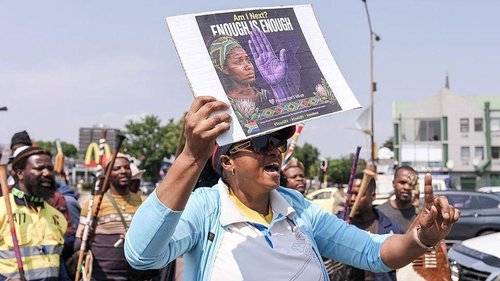
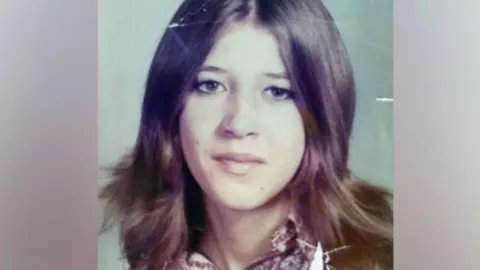
In a significant development in the case of a serial killer targeting Indigenous women in Canada, police in Manitoba announced last week that they had identified human remains found in a landfill near Winnipeg as those of 39-year-old Morgan Beatrice Harris. She was one of four victims killed between March and May 2022, and her remains are among the first to be identified since the search began. The other victims include Rebecca Contois, Marcedes Myran, and an unidentified woman known as Mashkode Bizhiki’ikwe, or Buffalo Woman.Jeremy Anthony Michael Skibicki was convicted for the murders and sentenced to life without parole for 25 years. His social media presence unveiled troubling ties to far-right ideologies, raising concerns about broader societal issues. The prospect of searching the Prairie Green landfill became a contentious political topic leading up to the 2023 provincial elections, with the defeated Progressive Conservative party actively campaigning against it due to financial concerns and perceived risks involved in the search.Indigenous leaders have drawn comparisons between the current case and that of Robert Pickton, a notorious serial killer in British Columbia. While the latter’s crimes led to one of Canada’s largest crime scene investigations, the lack of urgency portrayed in the Harris case has resulted in criticism regarding the treatment of Indigenous victims.Following the identification of Harris’s remains, the New Democratic Party government, which pledges to prioritize the search, expressed sympathy for the victims' families. Harris’s daughter, Cabria, shared a poignant social media post acknowledging the bittersweet moment of closure following the identification. In response to the situation, Wayne Ewasko, the interim leader of the Progressive Conservatives, publicly reflected on his party’s previous stance against the search, stating they had "lost their way in regards to empathy." However, this apology was met with skepticism by victims' families, highlighting the ongoing struggle for recognition and care for Indigenous communities in Canada. As discussions continue regarding the safety and rights of Indigenous women, this case remains a focal point for social justice advocates.