In brief
Recent findings suggest strange white blobs washing ashore in Newfoundland may not be of natural origin, prompting further inquiry.
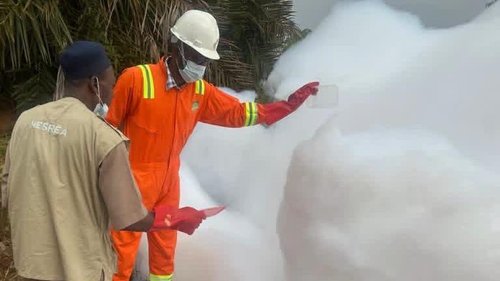
As Newfoundland's southern shores continue to be adorned with mysterious blobs, a local chemist has gained significant insights into their nature. These white, sticky entities, which have captured the attention of both scientists and residents alike, have been surfacing along Placentia Bay since at least September. Measuring anywhere from the size of a coin to a dinner plate, the blobs have raised questions about their origins, prompting an investigation by Canada’s environmental agency.Although the Canadian authorities have yet to disclose their findings, researchers at Memorial University of Newfoundland have taken proactive steps to analyze the blobs. Chemist Chris Kozak, leading the charge, reported that the peculiar substances emitted a petrochemical smell reminiscent of turpentine. Initially considering the possibility of polyurethane, Kozak noted that the density of the blobs, which sank in water, ruled out this hypothesis. Through chemical analysis, Kozak discovered that the blobs contained traces of carbon, hydrogen, and oxygen, but lacked nitrogen and sulfur—further supporting the idea that their origin is not natural. The absence of silicon in the analysis effectively dismissed the notion of silicone latex or caulking materials. As the investigation unfolds, the curious coastal community remains on alert while awaiting official confirmation about the true identity of the enigmatic blobs.