In brief
In a surprising turn of events, Serbia's state media has shifted its approach to covering massive protests against President Aleksandar Vucic, sparking backlash from his ruling party.
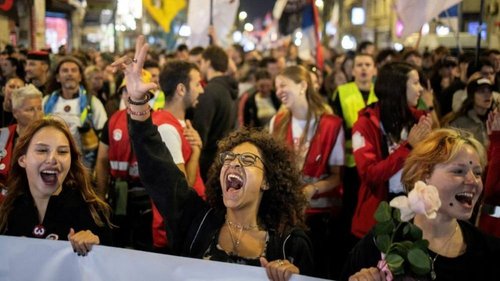
The backdrop of this political turbulence became evident when tens of thousands of protesters paralyzed Novi Sad by blocking three major Danube bridges over the weekend. The demonstrations, primarily led by students and citizens, aimed to draw attention to public grievances and commemorate previous fatalities during an incident at a local train station. Until now, state-controlled Radio Television Serbia has largely ignored the ongoing protests. This change in coverage, prompted by the scale of the demonstrations, raised eyebrows among government officials who have historically utilized media as a tool for maintaining power. In a rare critique, Vucic's Serbian Progressive Party accused the broadcaster of "scandalous reporting" and suggested that it was siding with political adversaries bent on undermining Serbia's constitutional order. The media control strategy has been a cornerstone of Vucic's governance, which has involved demonizing protesters and labeling them as foreign agents or opposition puppets. This latest development has led to speculation about the internal dynamics of the ruling party and the potential for a shift in public sentiment as the protests continue to grow.