In brief
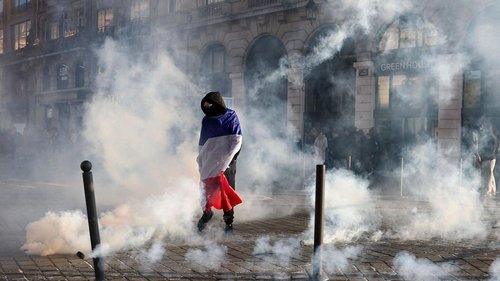
A series of geopolitical developments—including U.S. military actions, Iranian retaliation, and continued hostilities in Ukraine—underscore a volatile time on the world stage. Key events include U.S. strikes on nuclear sites, Iranian missile strikes on Israeli targets, and a new wave of protests across the Middle East.
Recently, escalating tensions in various regions have drawn global attention as conflicts rage on multiple fronts. Notably, the U.S. military carried out strikes on Iranian nuclear sites, which President Trump lauded as a success. However, Iran has firmly asserted its right to respond to these actions. In a delicate balancing act, Tehran continues to balk at negotiation talks, even as it exchanges fire with Israel.In Europe, Russia has intensified its military campaign against Ukraine, with President Putin hinting at potential advances in Ukrainian territory. Amid this turmoil, deadly strikes have rained down on Kyiv, further heightening fears over the ongoing conflict.Meanwhile, protests across the Middle East are boiling over into solidarity movements supporting Iran—many responding to American aggression. Back at home, U.K. lawmakers have voted in favor of legislation promoting medically assisted dying, revealing a shift in societal attitudes towards end-of-life choice.The global landscape remains turbulent, as countries navigate the possible repercussions of these dramatic developments, including public sentiment and international relations that could be significantly impacted in the months to come.