In brief
Al Jalila Foundation’s flagship building secured LEED Gold status under the USGBC’s Existing Buildings: Operations & Maintenance rating. The certification recognizes the foundation’s energy‑efficient technologies, solar power infrastructure, and low water usage. The achievement underscores Dubai’s leadership in green building practices and the foundation’s commitment to environmental sustainability.
The Al Jalila Foundation building in Dubai has recently attained LEED Gold certification, a milestone that reflects a comprehensive approach to sustainable building operations. This designation, conferred by the U.S. Green Building Council (USGBC) under its Existing Buildings: Operations & Maintenance (LEED EBOM) framework, confirms that the foundation’s facility meets rigorous criteria for energy efficiency, water use, waste management, and indoor environmental quality.
LEED EBOM evaluates operational performance over a 12‑month period, scoring buildings based on data such as HVAC efficiency, lighting controls, and occupant comfort. By meeting the gold threshold, the Al Jalila Foundation demonstrates a balance of environmental stewardship and operational excellence, marking it among the most sustainable facilities worldwide.
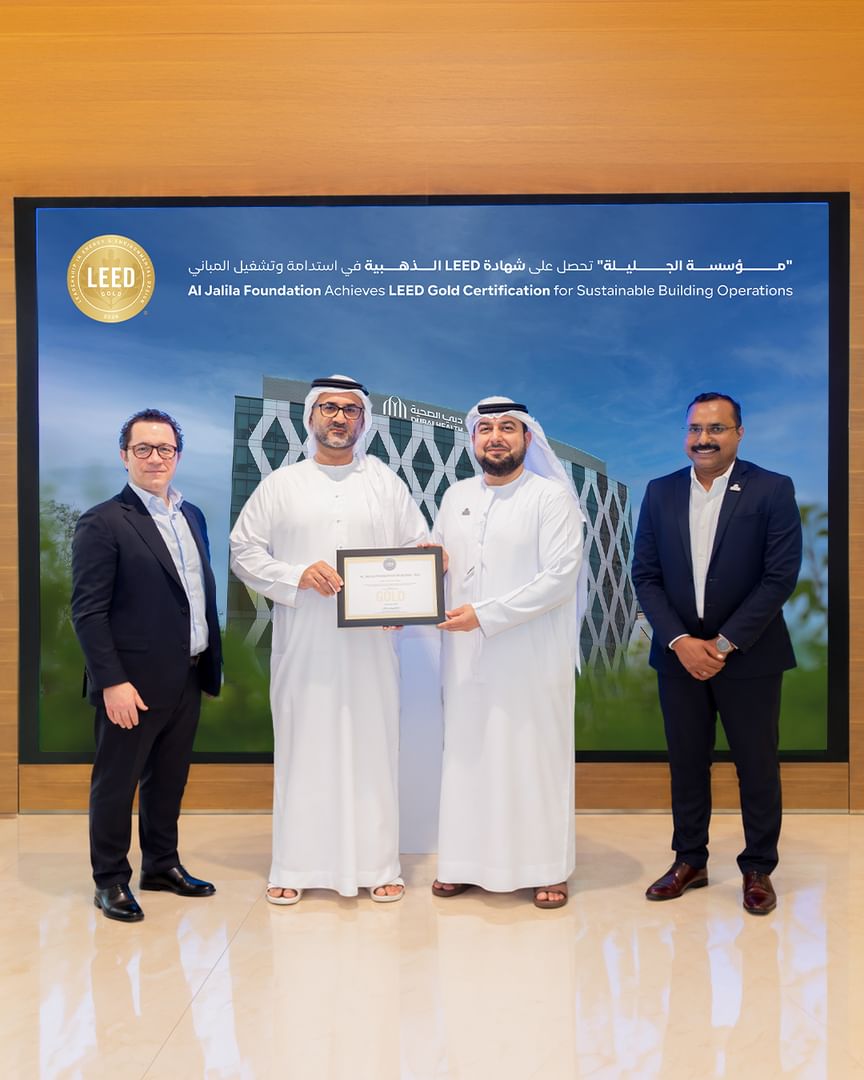
The award ceremony took place on Thursday, October 29, 2026, during a visit by a delegation from Positive Zero, a leading regional energy‑transition company. Dr. Amer Al Zarooni, CEO of the Al Jalila Foundation, accepted the certificate from Mohammed Abdulghaffar Hussain, chairman of Positive Zero. Both parties celebrated the joint partnership that has driven the building’s green initiatives.
Central to the building’s low‑impact profile are a suite of energy‑efficient systems, including advanced HVAC controls that minimize cooling load and high‑performance LED lighting. These systems reduce overall power consumption, contributing to the score required for LEED Gold status. The foundation’s operational strategy couples technology upgrades with procedural changes, such as optimized maintenance schedules and real‑time monitoring of energy flows.
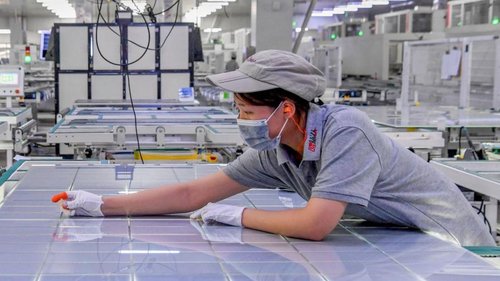
In 2024, the foundation partnered with Positive Zero to launch a solar energy project that installed and operates photovoltaic panels across its parking areas and other rooftop spaces. The solar array supplies a significant portion of the building’s electricity demand, lowering reliance on the grid and decreasing greenhouse‑gas emissions. The project’s managed operation ensures that the panels continue to perform at peak capacity throughout their expected lifespan.
During the 12‑month assessment period, the building logged an aggregate water consumption of approximately 3.16 million gallons. This figure aligns with the LEED gold benchmark for water efficiency and showcases the foundation’s use of low‑flow fixtures, rainwater capture systems, and landscaping designed to maximize water reuse.
Indoor environmental quality measures include improved ventilation rates and the use of low‑volatile organic compound (VOC) finishes, which enhance occupant health and productivity. Cooling efficiency was further boosted through the integration of heat‑recovery ventilation and desiccant dehumidification, reducing the building’s overall energy draw while maintaining comfortable indoor conditions.
The certification not only recognizes existing performance but also sets a trajectory for continuous improvement, allowing the foundation to monitor metrics and adapt strategies as technology advances. By achieving LEED Gold, the Al Jalila Foundation reinforces the UAE’s larger commitment to green building practices and serves as a benchmark for future healthcare facilities in the region.
Looking ahead, the foundation plans to extend its sustainability portfolio by exploring advanced building‑management systems and expanding renewable energy sources. These efforts will support both the organization’s mission to advance health for humanity and the national agenda of reducing carbon footprints across public and private sectors.