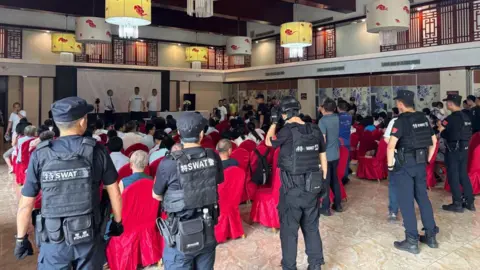
In a shocking display of violence, a car attack in Zhuhai, China, left 35 people dead, sparking a national dialogue on the alarming trend of public violence tied to personal grievances. The tragic event unfolded in a stadium on a Monday night, where a 62-year-old driver, reportedly unhappy with his divorce settlement, drove into crowds, raising urgent questions about deeper societal issues.
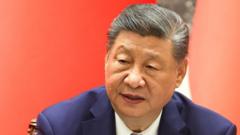
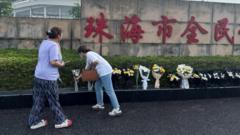
China has recently experienced a disturbing rise in incidents of public violence, with this event becoming its deadliest known attack in years. In light of the attack, the Chinese President Xi Jinping has promised "severe punishment" for the driver, who is currently in a coma due to self-inflicted injuries. Local residents in Zhuhai have begun to mourn the victims by laying flowers outside the sports center, showcasing the communal shock and sorrow felt across the nation.
On social media, discussions surrounding the motives behind such acts have gained traction, with the term "taking revenge on society" emerging as a focal point for the discourse. Observers have expressed disbelief at the drive towards indiscriminate violence in response to personal misfortunes, with comments on platforms like Weibo and WeChat reflecting a mixture of anger, confusion, and calls for deeper societal reflection.
"The pressure to survive amidst job insecurity can lead to widespread problems," one WeChat user stated, tapping into broader concerns about economic stability and mental health in China. "The social factors fostering these attacks need critical examination."
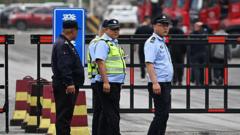
Previously reported violent incidents this year include stabbings and shootings across major cities, raising alarms about public safety and pushing for systemic change. Despite the outcry following the Zhuhai attack, government censorship has limited discussions, with many posts and articles being wiped from social media as officials attempt to control the narrative.
Reports from local media reveal frustration with how the incident has been handled, including accusations of inadequate coverage compared to other state-sanctioned events occurring simultaneously, such as a military airshow. Eyewitness accounts shared online detail personal tragedies linked to the attack, exemplifying the human cost of such violence.
The tragedy of the Zhuhai incident not only has left families grieving but has also unveiled cracks in the societal fabric, as citizens grapple with the implications of a rising tide of public violence tied to individual despair. The collective reaction raises a poignant question: how can a society heal when personal grievances manifest in such devastating ways?