In brief
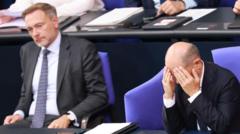
Chancellor Olaf Scholz has triggered a political crisis in Germany after firing Finance Minister Christian Lindner. This move jeopardizes the stability of the ruling coalition, comprising the Social Democrats (SPD), the Greens, and Lindner's Free Democratic Party (FDP). The collapse of trust between Scholz and Lindner has prompted the Chancellor to call for a vote of confidence, which is scheduled for January 15. As the coalition grapples with policy disagreements concerning taxation and climate regulations, the possibility of early elections looms, with the conservative Christian Democratic Union (CDU) currently leading in the polls.
This internal conflict within the "traffic light" coalition, named for the parties' respective colors, has escalated against a backdrop of international uncertainty following the election of Donald Trump in the United States. Scholz's assertions that Lindner acted against the best interests of Germany reflect a broader struggle over fiscal policy direction. Despite the turbulence, the Greens have vowed to remain loyal to the coalition, indicating their commitment to ongoing governmental stability. However, should the parliament reject Scholz's government, Germany could face elections sooner than anticipated, potentially reshaping the political scene in Europe’s largest economy.