Backpack declared Alaska's Fat Bear Week winner

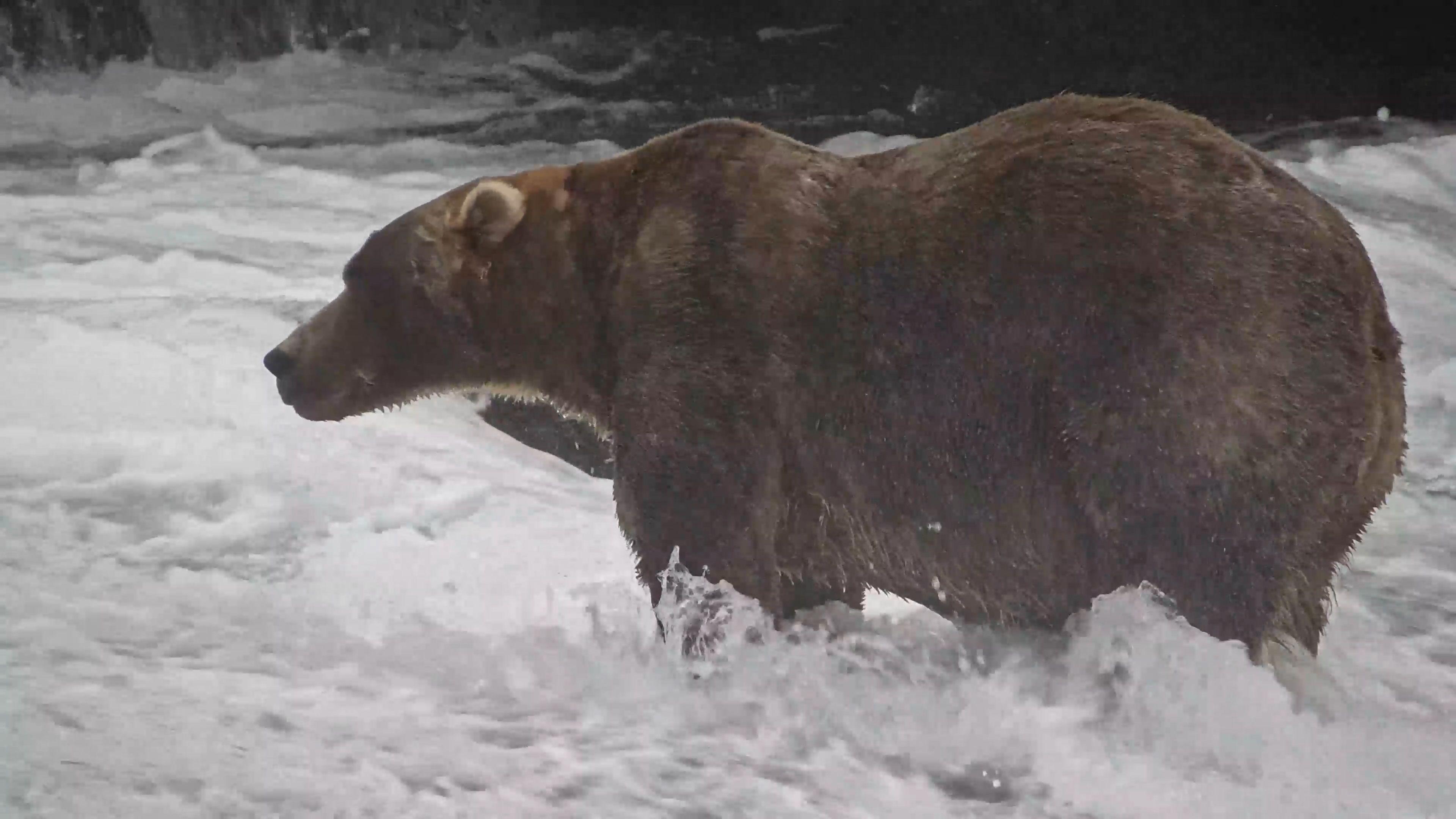
A brown bear known as 89 Backpack has won the annual Fat Bear Week competition, after a "battle of size, skill, snack acquisition and strategic loafing" described by the US National Parks Service. Backpack narrowly edged out a rival known as 910, receiving 103,344 votes to 98,253 in the final round of ballots cast by enthusiasts worldwide.
The National Parks Service thanked 16 bears that "involuntarily participated" in the competition, now in its thirteenth year. Backpack, who carries the nickname "chonk" from supporters, will shortly enter a six‑month hibernation period after greening a massive salmon diet to build fat reserves.
His mother, Holly, won the competition in 2019. Backpack’s name came from his habit of climbing onto his mother’s back when she roamed the salmon‑rich Brooks River, not from the shape of his body.
While Brassback’s win was celebrated, some voters felt that Bear 910, a female who raises her own cub and an adopted niece, offered strong competition, citing her larger overall frame.
The competition attracts significant global attention: last year, more than 1.7 million votes were cast from over 100 countries to crown the heavyweight champion. The finalists’ latest weights remain undisclosed, though adult male brown bears typically average up to 408 kg in mid‑summer and can gain 25% of body weight by autumn, potentially exceeding 540 kg for the largest males.
Female bears are smaller, often surpassing 300 kg, while cubs are born at roughly half a kilogram. During hibernation, bears stop eating or drinking and lose one‑third of their body weight, making pre‑hibernation fat accumulation crucial for survival. Bears gorge on salmon and other foods from June to mid‑October to stockpile up for the long winter.
Backpack’s bio notes that his "quiet toughness" has helped him secure his niche among the larger bears of Brooks River, enabling him to thrive during the high‑food‑intake season. As the celebration wraps up, sponsors and conservationists look forward to showcasing the dramatic seasonal changes in Alaska’s wildlife, underscoring the importance of protected habitats for these iconic animals.