In brief
As Bangladesh navigates political turmoil, the haunting revelations of a clandestine military prison, where victims endured years of enforced disappearances under Prime Minister Sheikh Hasina's regime, surface once more. This article delves into the stories of those who suffered in silence and their newfound hopes for the future.
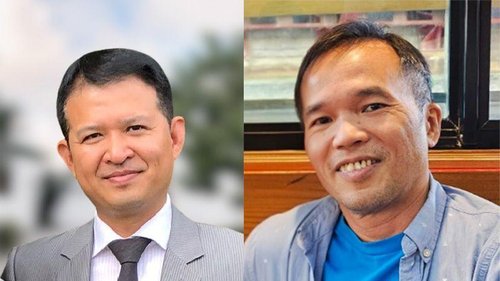
In the wake of historic political unrest, Bangladesh finds itself at a crossroads. Prime Minister Sheikh Hasina fled the country amid mass protests, allowing citizens to grapple with both the remnants of an oppressive regime and the possibility of a renewed future. Among the few who have emerged from the shadows of oppression is Michael Chakma, a tribal rights advocate who was abducted in 2019 and held in a secret military prison dubbed the "House of Mirrors" for five harrowing years. Chakma's release in August marks a poignant moment as he stepped into daylight for the first time in years, marveling at the sun’s rays as he struggled to comprehend the reality of his freedom. His story sheds light on the grim narrative of enforced disappearances that marked Hasina’s governance, characterized by a systemic silencing of dissent and brutal suppression of opposition.Under Hasina’s lengthy rule since 2009, countless individuals vanished, captured by a state machinery intent on suffocating any challenge to power. Many were never seen again, while others, like Chakma, were subjected to unspeakable conditions in clandestine facilities operated by the military. The revelation of these abuses has since catalyzed a profound investigation into the state's methods of repression.The Times recently obtained critical details about those imprisoned and the motives behind such extreme measures — an attempt to neutralize voices calling for democratic change. As Bangladesh stares into a potentially transformative period, the stories born from its darkest days echo loudly, demanding accountability and justice for those who lived through the torment of the House of Mirrors. The path ahead remains fraught with uncertainties, but the courage of survivors like Chakma is a beacon of hope for a renewed commitment to freedom and human rights.