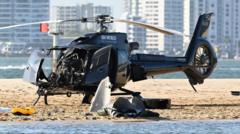
In a tragic turn of events, a faulty radio antenna has been identified as a significant factor in a fatal mid-air helicopter collision that occurred at an Australian theme park and resort earlier this year. The incident, which took place in January 2023 near Sea World on the Gold Coast, resulted in the deaths of four individuals, including two British tourists, and left six others with serious injuries.
The inquiry conducted by Australia’s Transport and Safety Bureau (ATSB) unveiled critical findings surrounding the accident. One of the pilots involved failed to receive an essential radio communication shortly before the helicopters collided. Compounding the issue, ongoing changes made by Sea World inadvertently weakened existing safety protocols.
According to the report, the collision transpired just seconds after one helicopter lifted off while the other was attempting to land. The fatalities were all occupants of the helicopter that was taking off, whereas the other aircraft, despite sustaining damage, managed to make an emergency landing.
In the lead-up to this tragic incident, Sea World had attempted to enhance its helicopter services by introducing a secondary helipad and implementing larger Eurocopter EC140 B4 helicopters. However, these modifications unintentionally created a conflict in air traffic management, leading to increased risks.
Particularly alarming was the discovery that the helicopter preparing for take-off possessed a malfunctioning antenna. As a result, a communication from the landing helicopter either went unheard or unreceived by the ground pilot who was preoccupied with boarding passengers. Following passenger boarding, the ground crew incorrectly notified the departing pilot that the airspace was clear, despite the situation having changed by the time of take-off.
The report highlighted that while the landing pilot had noticed the helicopter on the ground, he did not perceive it as a collision threat. Had the faulty antenna not impeded the transmission of a "taxiing" radio call, the landing pilot might have identified the incoming helicopter as a potential risk.
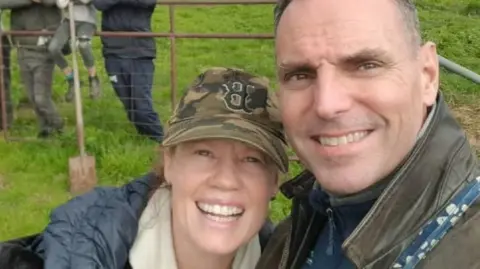
Among the victims were Diane Hughes, 57, and her husband Ron, 65, who had recently married and were on holiday visiting relatives. Vanessa Tadros, 36, and Ashley Jenkinson, a 40-year-old pilot from Sea World, also lost their lives in the incident. In the aftermath, passengers from the returning flight praised their pilot as a hero for safely executing an emergency landing.
The ATSB investigation generated a total of 28 findings aimed at emphasizing essential lessons for aviation operators and pilots. ATSB Chief Commissioner Angus Mitchell pointed to the investigation's primary takeaway—the need for a disciplined approach to implementing operational changes in aviation, as even seemingly beneficial modifications can inadvertently compromise safety.