In brief
Across Baghdad, women like Sarah Jassim record harassing incidents on their phones, turning everyday objects into evidence against pervasive sexual violence. Yet the activists who share these videos encounter lethal threats, acid attacks and social backlash, exposing the absence of protective laws for victims. The UN reports that hundreds of cases remain unreported due to cultural stigma, while high‑profile activists have been targeted with violence. Survivors recount ordeals such as forced rape, honor killings, and police indifference that force them to file complaints alone. Despite the risks, advocates insist that documenting the abuse and demanding legal reform are the only paths toward justice and safety for Iraqi women.
Death threats and isolation – the cost of fighting sexual violence in Iraq
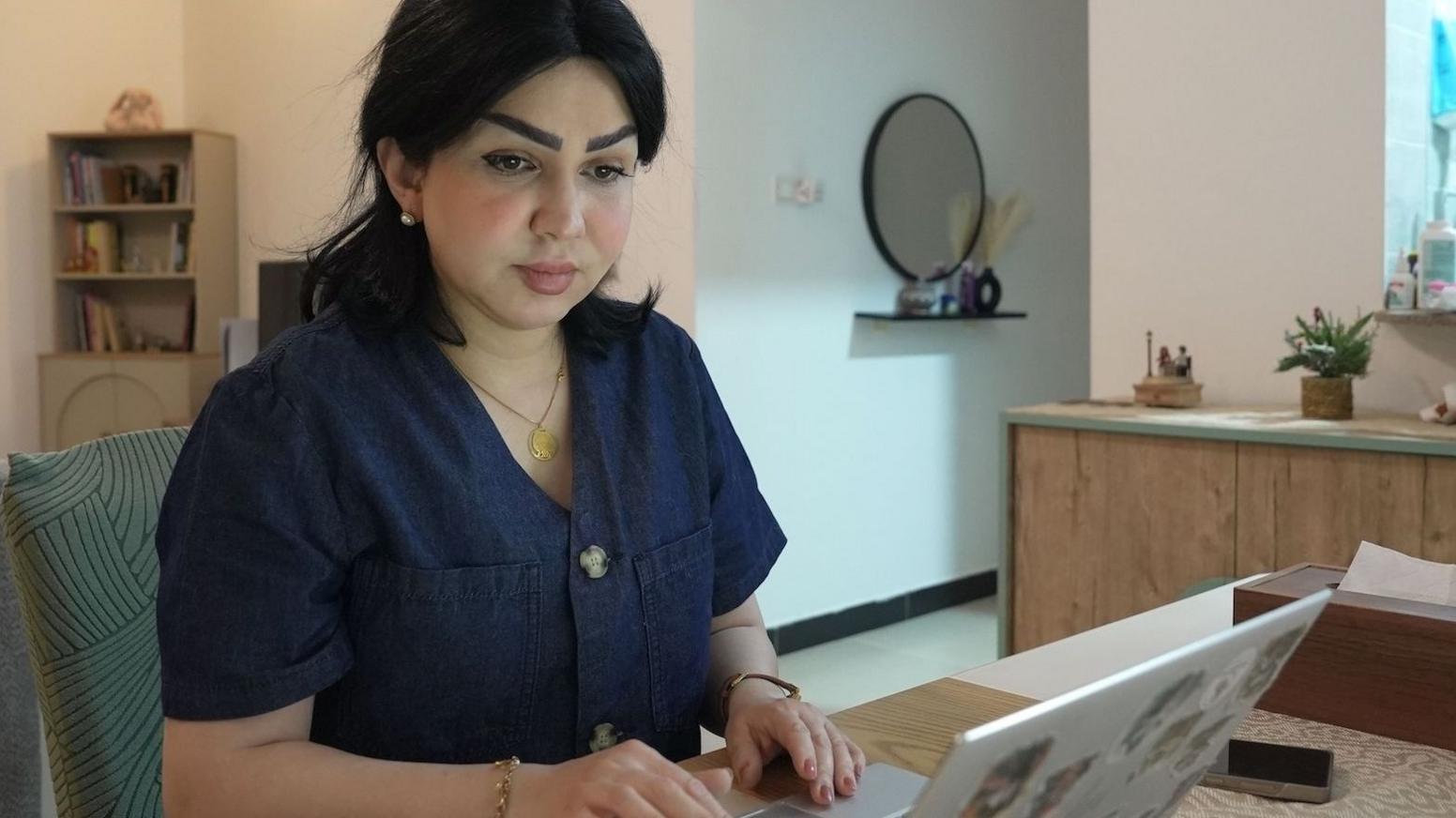
Irrational fear clutches Iraqi women. In a bustling street, a woman shouts: Get out of the car! She points a phone at an offending driver and records the confrontation. That single video – just one of many – is posted on Instagram by activist Sarah Jassim, who encourages other victims to capture their own evidence.
“Your camera is your weapon,” Jassim says. “It helps build evidence if a woman chooses to bring a case to court, or at the very least, it exposes the wrongdoer.” An earlier post about a policeman who harassed schoolgirls led to his arrest, showing the potential impact of these recordings.
But the medium that frees many also threatens them. Jassim has received death threats and threats of acid attacks. She states the law does not currently criminalise terms such as “harassment” or “gender‑based violence”, leaving victims with no legal recourse. Her own safety now forces her to stay home and spend long hours with her dog rather than leave its doorstep.
The wider picture is grim. A United Nations report notes that sexual violence remains widespread and under‑reported in Iraq, urging reform of discriminatory statutes that permit rapists to avoid punishment by marrying the victim or committing “honour killings” that reduce sentences for murder. Survivors like Amal, whose daughter suffered repeated rape by a relative, recount harrowing court battles that have dragged on for nearly five years.
Amal’s case demonstrates the mental and physical toll of seeking justice. She recalls the mother‑daughter’s cries as the perpetrator brandished a weapon and threatened: No‑one will hear you if I kill you. She says the legal procedure takes years, little help from police, and endless family pressure to remain silent. She confides that the system offers “no protection or justice.”
While some activists have found temporary refuge in shelters, the network of support remains thin. The murder of fellow advocate Yanar Mohammed, killed outside her Baghdad home in March, has underscored a grim reality for change‑makers. “There are no laws, no protection, and no justice for women in Iraq,” says Hanaa Edwar, an elder activist who survived extensive harassment.
The frequent lack of police intervention is a recurrent complaint. When Samira, a woman who frequently faces harassment on public transport, reported an incident, officers responded with “I am not authorised to help.” In an interview, Interior Ministry spokesman Muqdad Miri answered that only a handful of sexual violence cases reach the police; many stay hidden because of deep‑rooted social traditions.
Despite the terror and denial, the women continue to push forward. Jassim refuses to let fear derail her mission: If everyone grows afraid, change stalls. Together, they aim to force new laws that specifically label and punish sexual harassment and provide reliable support for survivors. Their struggle, amplified by the power of social media and the courage of those sharing their difficult stories, may finally bring attention to a crisis that may otherwise remain silent.
For assistance if you have experienced sexual abuse, consult a health professional or organisations offering support. In the UK, support details are available from BBC Action Line.