Wildfire in Southern France Forces Evacuation of 10,000 People
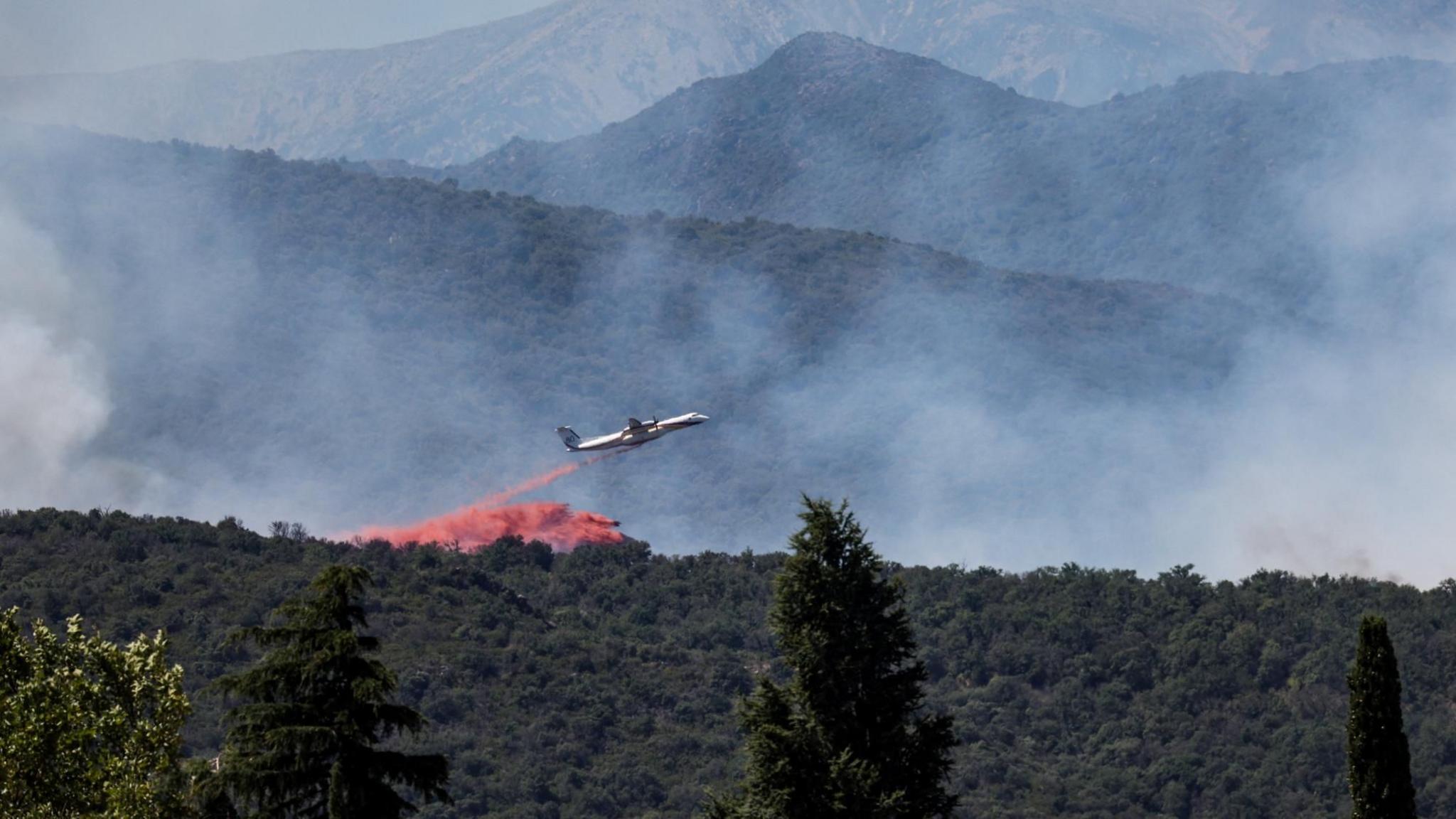
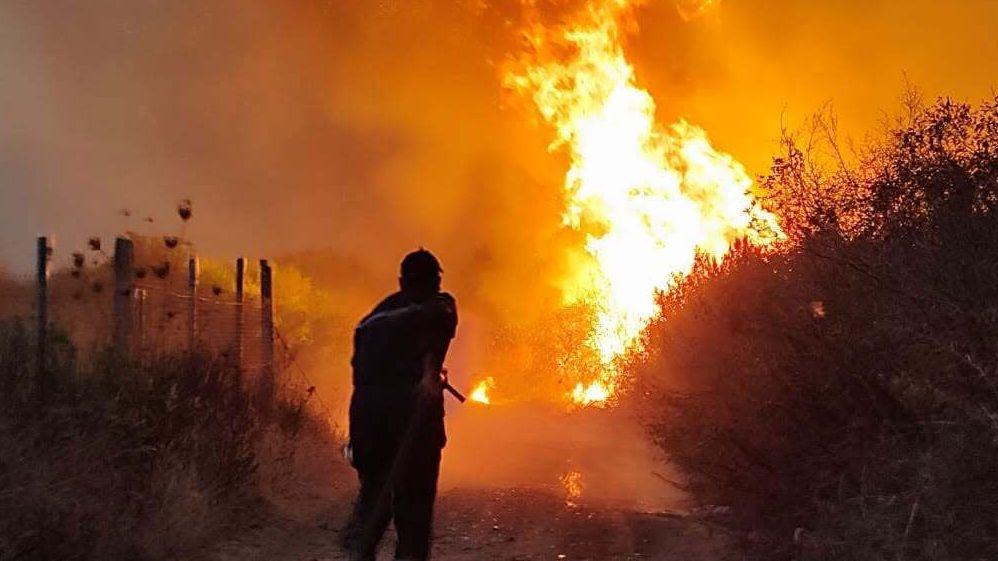
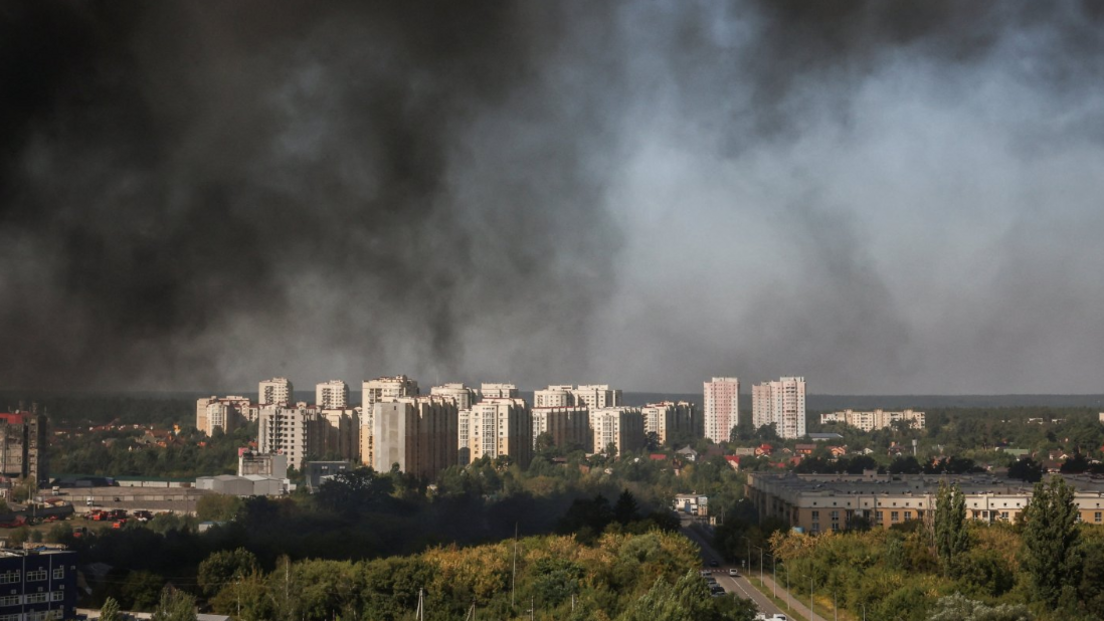
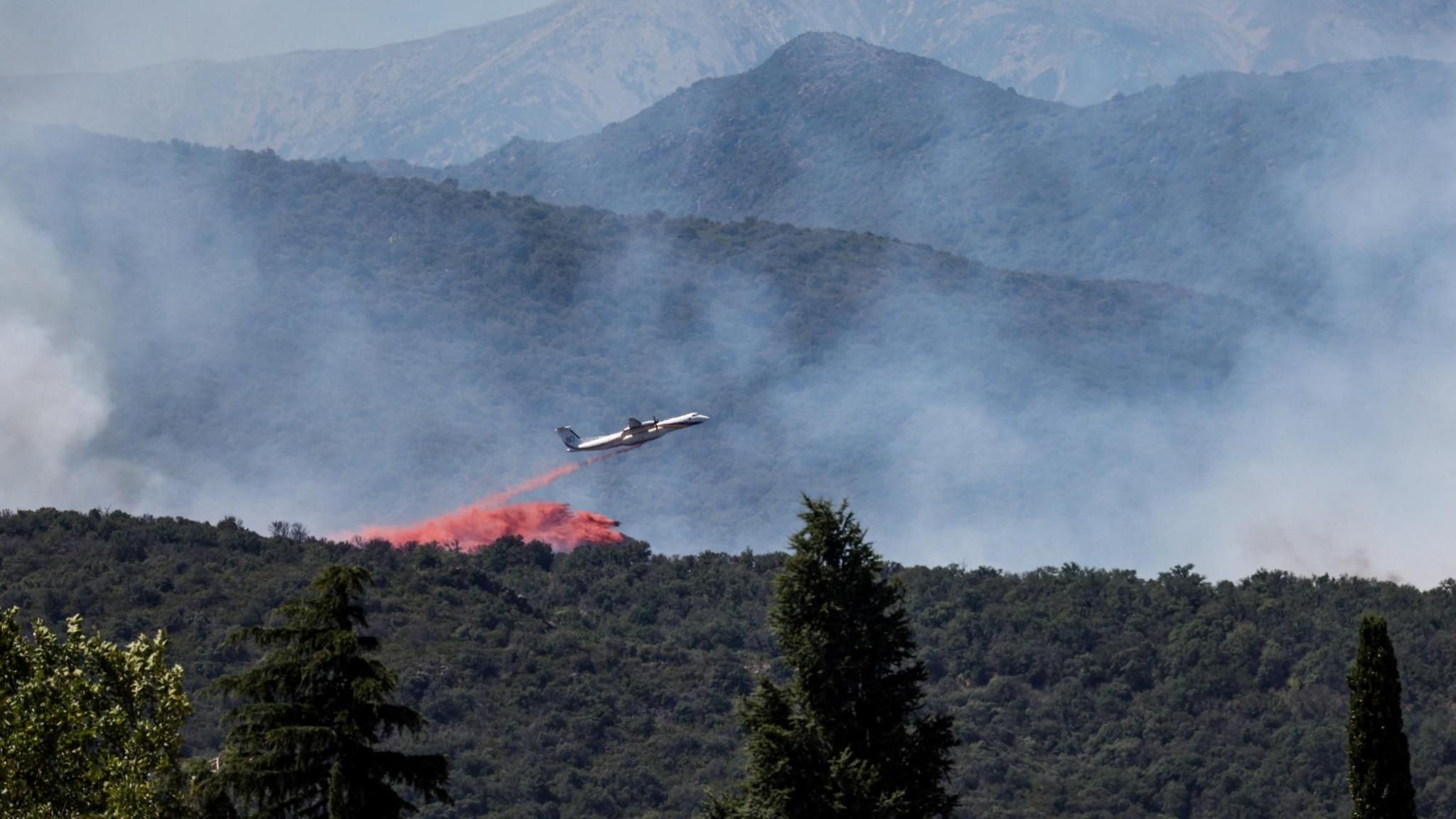
The wildfire, which began in the foothills of the French Pyrenees near the Spanish border, has rapidly expanded to cover more than 4,600 hectares. It has forced the evacuation of around 10,000 residents from a dozen small towns and villages in the Trévillach area.
Local prefect Pierre Regnault de la Mothe reported the extent of the fire on the social‑media platform X, noting the rapid spread under dry and windy conditions. Interior Minister Laurent Nunez warned that conditions could deteriorate again, urging residents to remain vigilant.
The blaze is so close to residential areas that it sparked fears for damage to nearby homes. A local resident, Patrice from Trévillach, reflected that the fire had breached within 300 metres of houses, describing the spread as "staggering" and bordering on panic.
The ongoing threat to the region’s safety has led organisers of the Tour de France to cancel spectators near the conclusion of stage three, which finishes in Les Angles. Tour officials asked the public to stay away from the final 40 kilometres to clear the path for emergency services.
In response to the crisis, EU President Ursula von der Leyen pledged four aircraft stationed in Cyprus and Sweden to assist firefighting efforts. The clip of the fire’s impact also extended into Spain, where more than 2,200 hectares of the Les Gavarres reserve were destroyed as the flames crossed the border.
Climatic conditions that brought temperatures over 40 C across southern and western Europe this week—including record‑breaking heat in France and Spain earlier in June—have heightened wildfire risks. According to Copernicus climate service, Europe’s warming rate is twice that of the global average, intensifying summer heatwaves and water‑stress conditions.
The situation underscores the urgent need for coordinated fire‑response strategies and greater investment in climate adaptation measures across the region.