
In brief
Protests in Iran, now documented in 17 provinces, have swiftly grown since December 28, 2022, largely due to economic distress resulting from currency devaluation and government corruption. Demonstrators, who initially sought economic reforms, have increasingly called for regime change, chanting anti-government slogans. The authorities are responding with force, despite a traditionally restrained approach, leading to escalating violence. Experts suggest the ongoing unrest reveals deeper issues within the Iranian political system, though it remains uncertain if it poses a significant threat to the government’s stability.
Mass protests against the Iranian government have emerged in 17 of 31 provinces, fueled by economic grievances and a perceived mismanagement of the nation’s resources. Security forces have responded with escalating violence, marking a significant challenge to the clerical regime.
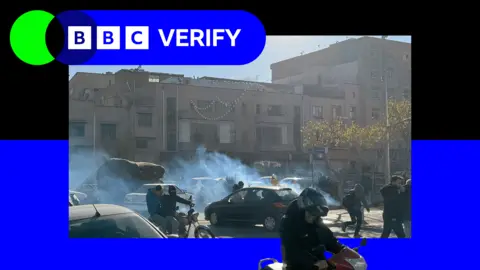
The protests began on December 28, 2022, ignited by the sharp devaluation of the Iranian currency. Initial demonstrations in Tehran quickly spread nationwide, prompting anti-government sentiment across various regions once considered loyal to the state. Video footage verified by sources reveals widespread unrest in more than 40 towns and cities.
In the days following the unrest, protesters have denounced both the Supreme Leader Ayatollah Ali Khamenei and the government. Chants calling for regime change have been particularly pronounced in major areas such as Qom and Mashhad, showcasing discontent even in traditionally loyal cities.
Since the protests erupted, at least 11 people have been confirmed dead due to clashes with security forces, with some human rights organizations reporting up to 35 fatalities. The government’s initial restrained response has shifted to a more aggressive stance, especially after Khamenei's critical address, which called for dealing firmly with protesters.
Experts stress that while the protests highlight significant dissatisfaction, they lack a clear unified strategy to overthrow the government, indicating that the security forces still largely remain loyal to the regime. The complex interplay of economic hardship due to sanctions, systemic corruption, and a repressive state response continues to shape the protests' trajectory.

