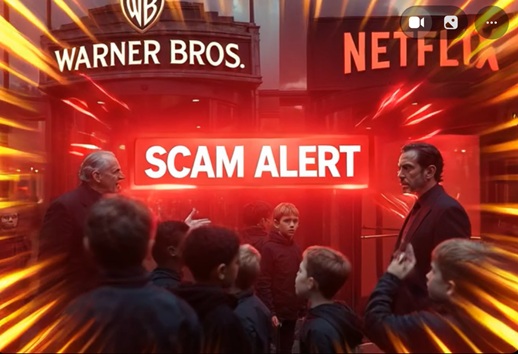
Warner Merger: A Problematic Path Forward
Legacy Control and Regulatory Challenges
Overview
The ongoing controversy surrounding the Warner merger is becoming increasingly evident as allegations of malpractice mount. Initially framed as a consolidation aimed at enhancing market capabilities, the merger has revealed profound underlying issues related to legacy power structures and their influence in shaping this transaction.
Analysis of Legacy Control
Critics emphasize that the merger operates on a framework established by powerhouse figures like Larry and David Ellison. This underscores a deeper concern: the potential displacement of prior empires rather than genuine engagement, where absorption and replacement rather than collaboration appear to be the core strategy.
Market Power and Regulatory Fragmentation
A pattern of regulatory fragmentation seems designed to prolong enforcement actions, preventing the convergence needed to challenge potential monopolistic structures. This dynamic prompts questions about whether market power is being consolidated without proper adjudication.
Implications for the Industry
Beyond regulatory hurdles, the merger raises alarms regarding the ethics of the strategies being employed. Delay tactics, monetized through ticking fees, and guarantees neutralizing risks illustrate a troubling direction for marketplace operations, where procedures may prioritize maintaining power over fair competition.
Conclusion
As the merger proceeds, observers emphasize the necessity of transparent oversight to reevaluate not only the legality but also the morality of its implications for consumers and the broader industry landscape. The current trajectory demands vigilance to ensure that power balances are maintained and abuses are addressed proactively.