In brief
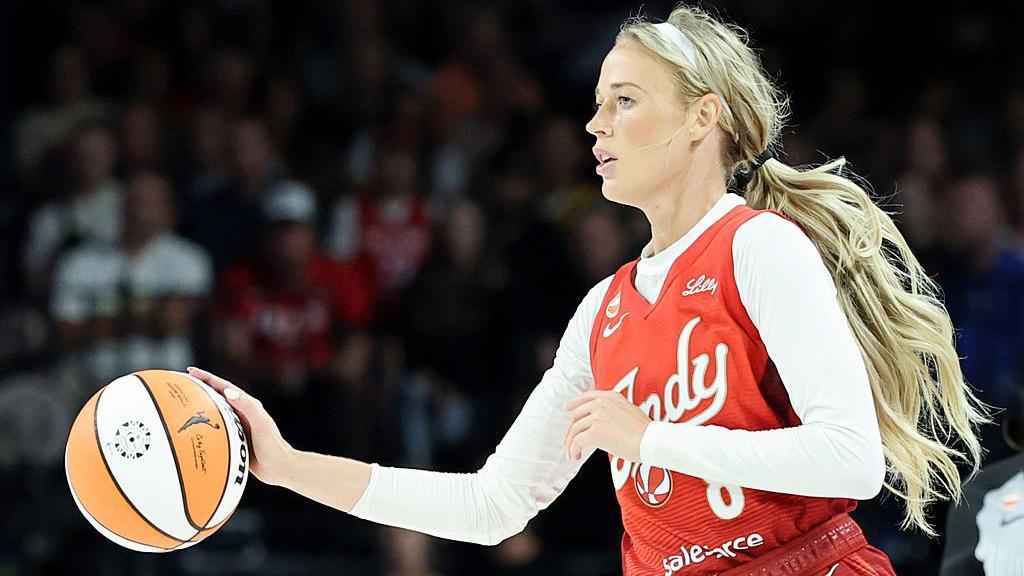
The WNBA’s player eligibility dispute erupted when Indiana Fever guard Sophie Cunningham warned that young women shouldn’t face biological men in sports, a statement met with both support and backlash. Former NBA star Enes Kanter Freedom subsequently declared himself a WNBA prospect, citing the league’s vague "women" rule. Commissioner Cathy Engelbert has called for considerate deliberations while the league’s collective bargaining agreement only states that "only players who are women are eligible". The controversy lands at the intersection of sports policy, gender inclusion and political pressure, with figures like Donald Trump publicly backing Cunningham. Other sports bodies, from athletics to the IOC, are tightening rules for transgender athletes, underscoring a global push toward stricter eligibility thresholds.
The WNBA is locked in a heated policy debate over the inclusion of transgender athletes. The spark came from two high‑profile events in late July and early August 2026—sister‑co‑founder and star player Sophie Cunningham’s on‑court remarks about protecting women’s sports, and former NBA veteran Enes Kanter Freedom’s declaration to enter the next WNBA draft.
The Origin of the Row
In a televised ESPN interview, Cunningham threatened that young female athletes “shouldn’t have to go against biological men.” She later repeated the statement on social media, describing the stance as “common sense.” The comments triggered online protests and local rallies, and drew the endorsement of political figures including former President Donald Trump and Vice‑President JD Vance.
In response, former Boston Celtics star Kanter Freedom, widely known for his activism, posted a short video asserting that simply declaring who you are is enough for WNBA eligibility. He followed this with a statement from former San Antonio Spurs player Royce White, who also set his sights on the WNBA draft with a similar identity claim.
WNBA Eligibility Rules Under Scrutiny
The league’s collective bargaining agreement (CBA) states, “Only players who are women are eligible to play in the WNBA.” Unlike many other sports, the CBA does not detail the exact criteria for being a ‘woman,’ a gap called into question by Kanter Freedom’s comments. Commissioner Cathy Engelbert has sent a memo to team presidents signalling that the matter will be reviewed at an upcoming meeting, underscoring a commitment to “thoughtful and respectful” deliberation.
The WNBPA has responded by condemning “hate abuse and demonisation of the transgender community,” reaffirming its pledge to justice, equity, diversity and inclusion while warning fans against abusive behavior at games.
Broader Context in Global Sports
In parallel with the WNBA controversy, governing bodies in athletics, cycling and aquatics have banned transgender women from women’s categories at elite levels. The International Olympic Committee announced that from the 2028 LA Games onward, women’s events will be limited to biological females in a “once‑in‑a‑lifetime” sex test. In the United States, a Trump executive order “Keeping Men Out of Women’s Sports” bans transgender women from competing at school, university and community levels—though it does not affect professional leagues.
Reactions In‑Game and Beyond
The debate has seeped into WNBA match day. In New York, the Minnesota Lynx’s coach Cheryl Reeve displayed a “Trans Kids Belong” tee while speaking with Cunningham at a home game, emphasizing the league’s inclusive culture. Meanwhile, the Seattle Storm’s co‑owner Celeste Keaton was suspended from five subsequent home games after an altercation with teenage fans thanking Cunningham, prompting a public apology from the Storm’s management.
Cunningham herself has called the discussion a distraction from basketball, insisting that on‑court performance should remain the focus. Nevertheless, the pressure to clarify eligibility standards remains high as fans, players and politicians hold divergent views.
For now, the WNBA has not issued a public statement beyond acknowledging internal discussions, a pause that intensifies speculation on whether the league will maintain its current inclusive stance or adopt stricter eligibility criteria in line with other sports.