In brief
The article explores the cultural importance and widespread popularity of attiéké, a fermented cassava dish from Ivory Coast, now recognized by UNESCO. The author reminisces about childhood memories, the dish's unique flavor, and its role in fostering community while highlighting its adapted presence beyond national borders.
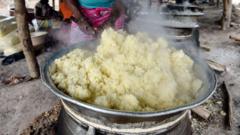
Growing up in Ivory Coast, attiéké was more than just food; it was the vibrant melody of street vendors echoing in my neighborhood, heralding the arrival of my favorite dish. Fast-forward 25 years, and attiéké has secured its place in the culinary world, recently receiving recognition from UNESCO as a cultural heritage item alongside global favorites like Japanese sake and Caribbean cassava bread. What is it about this West African culinary treasure that resonates so deeply with so many?In my early years, the phrase “Attiéké chaud!” filled the streets of Abidjan, signaling the arrival of vendors balancing steaming portions of this delicacy. Today, the tradition continues. From bustling restaurants to coastal beach bars, attiéké is omnipresent in the Ivorian culinary landscape and has crossed borders, finding a place on tables in France and Ghana, as well as Sierra Leone, where it is served with a twist.At its core, attiéké is made from cassava that undergoes fermentation, giving it a tangy flavor and a satisfying fluffy texture akin to couscous. Chef Rōze Traore describes attiéké as both filling and versatile, enhancing any meal, especially when paired with spicy or savory sauces. Ivorian Chef Paule-Odile Béké captures its essence succinctly: "sour, zingy and sweet." Available in various grain sizes, attiéké caters to diverse palates, with gourmet variations like red attiéké soaked in palm oil. Traditionally served with grilled meats and spicy tomato sauce, this dish has evolved from special occasions to a daily staple for many Ivorians. Despite its humble origins, attiéké is increasingly celebrated nationally and abroad. The emotional connection I hold with attiéké is profound. My childhood memories intertwine with its flavors, especially during a turbulent period marked by civil unrest. When I was just 14, the political climate forced my family to leave, but attiéké provided a constant link to my homeland. In my new homes, whether in London or Nigeria, I sought it out, inviting friends to experience its joy.Attiéké is steeped in cultural significance, as shared meals bring people together, much like the rituals surrounding injera in Ethiopia or thieboudienne in Senegal. At family gatherings, Ivorian communities unite over sizable portions of attiéké, relishing the flavors that define our shared identity.As attiéké is recognized for its cultural heritage, there exists an opportunity for more people worldwide to appreciate this unique dish. The heritage and preparation of attiéké is an art passed down through generations, representing not just culinary skill, but the warmth of Ivorian culture itself. With growing interest, one can only hope that the beauty and abundance found in attiéké will continue to inspire the world.