
In brief
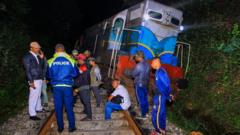
In a devastating incident in central Sri Lanka, six elephants were killed when a passenger train derailed after hitting the herd near a wildlife reserve. With the country experiencing one of the highest rates of human-elephant encounters in the world, this tragedy underscores the urgent need for better wildlife protection measures.
A passenger train derailed near a wildlife reserve in central Sri Lanka early Thursday morning after striking a herd of elephants, resulting in the tragic deaths of six elephants. Fortunately, the train passengers escaped without injury. This accident, which took place in Habarana, east of Colombo, has been described as one of the worst wildlife accidents in the nation’s history, a situation that is unfortunately not unheard of in the region.According to police reports, two injured elephants are currently receiving medical attention. The high rate of accidents between trains and elephants in Sri Lanka is alarming — last year alone, over 170 people and nearly 500 elephants lost their lives due to human-elephant interactions, with train-related fatalities accounting for approximately 20 elephants annually.As their habitats continue to diminish due to deforestation and the encroachment of human activity, elephants are increasingly wandering into populated areas, putting them at risk. In the wake of this tragedy, there are growing calls for train operators to take preventive measures such as slowing down and using horns to alert wildlife on the tracks. Historical incidents, like the 2018 accident where a pregnant elephant and her calves were killed, reflect a pattern that raises concerns about the coexistence of wildlife and human infrastructure.There are an estimated 7,000 wild elephants in Sri Lanka, where elephants are culturally significant and legally protected as a national treasure. Any harm or killing of an elephant is met with harsh legal penalties, underscoring the urgent need to balance the preservation of these majestic animals with the realities of modern transportation systems.
