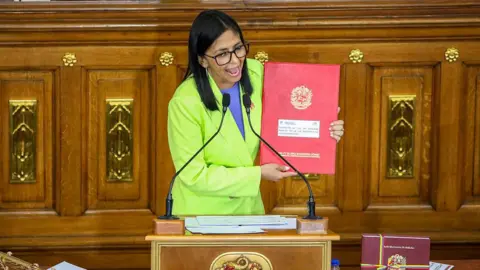
Venezuela's interim president Delcy Rodríguez has proposed new oil reforms in her first state of the union address since former president Nicolás Maduro was seized by the US.
Rodríguez said she wanted to reform the law that limits foreign involvement in the country's oil industry - a move away from Maduro's policies.
She stated she was not afraid to engage diplomatically with the US, asserting that Venezuela must defend its dignity and honour.
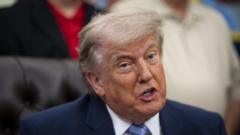
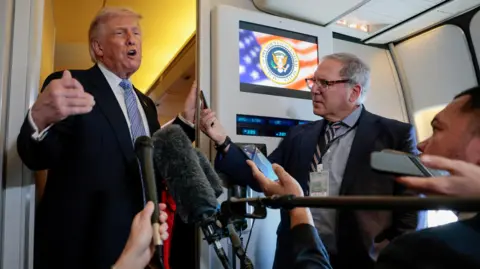
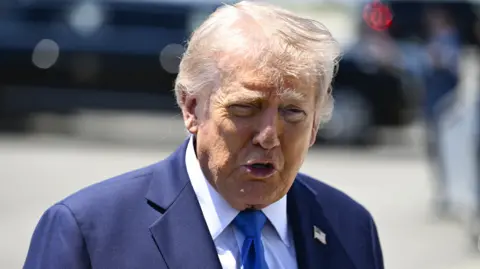
President Trump has indicated that US oil companies would move into Venezuela, generating revenue for both the Venezuelan people and the United States, with plans for US control over sales of sanctioned Venezuelan oil to last indefinitely.
Trump has called on oil companies to invest at least $100 billion (£75 billion) in Venezuela, though some executives deem the country currently uninvestable.
Rodríguez, sworn in on January 5 after the US operation that captured Maduro for drug trafficking, expressed the challenges in delivering Maduro's annual report, emphasizing their joint efforts until just before his removal.
Despite the US being a nuclear power, Rodríguez underscored a desire to engage in diplomatic efforts, voicing a call for national unity to defend Venezuela's sovereignty.
She proposed reforms to Venezuela's hydrocarbon law, which traditionally required foreign partners to collaborate with the state-owned PDVSA and maintain a majority stake. The new regulations could facilitate investment in previously untapped oil fields.
Rodríguez announced plans to create two sovereign funds aimed at directing foreign currency towards healthcare, education, housing, infrastructure, and development projects.
The country is grappling with an economic crisis marked by skyrocketing food prices and diminished purchasing power, underscoring the urgency of her proposed reforms as Trump and American investors look to capitalize on Venezuela's vast oil reserves.
In a recent meeting, executives from significant US oil companies noted the potential opportunities in Venezuela, but voiced the necessity for substantial changes to make investment feasible.
Trump reaffirmed the US's intention to determine which firms could operate within Venezuela, stating to investors that negotiations would be handled directly with the US and not with Venezuela.
Venezuela's relationship with international oil companies has been tumultuous for over a century, with Chevron being the last major American oil company still active in the nation.