In brief
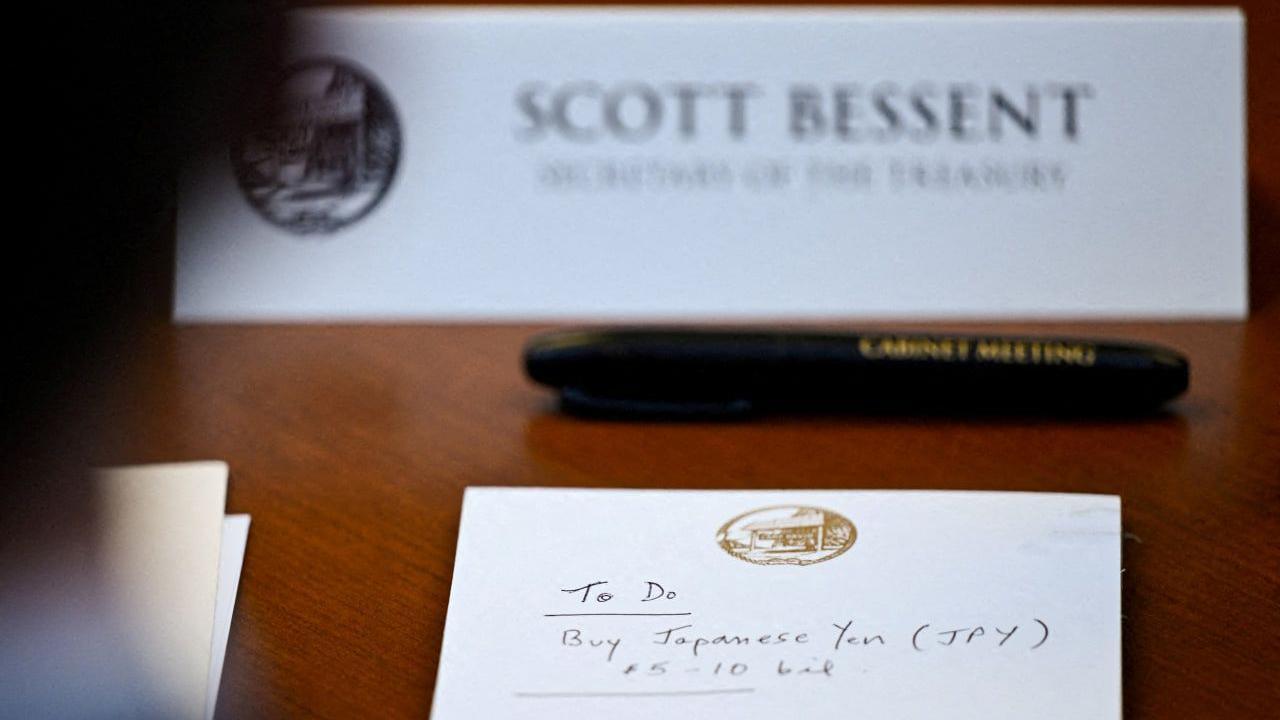
Late last week, the United States Treasury Department and Japan's Ministry of Finance coordinated a joint intervention to keep the Japanese yen from falling to a new 40‑year low, a first since 2011. Both governments said they are prepared to repeat the operation if market volatility persists, signalling a shared effort to curb a broader sell‑off that could pressure global borrowing costs. Bank of Japan data suggests that Tokyo bought yen with roughly $59 bn of dollars in New York before the confirmed action in Washington, while a U.S. Treasury notepad indicated a target of $5‑10 bn. The joint move is seen as a deterrent to speculators and a pledge of continued vigilance for the yen’s stability.
Late last week, the United States Treasury Department and Japan's Ministry of Finance coordinated a market intervention to keep the yen from sliding to a new 40‑year low, marking the first such joint action in fifteen years.
Both governments say they will be ready to repeat the effort if today's turbulence continues. The move underscores their shared interest in preventing a broader sell‑off that could influence global borrowing costs.
Bank of Japan data suggests Tokyo sold almost $59 bn of dollars to buy yen in New York before the confirmed intervention in Washington. The U.S. Treasury's notepad showed a target of $5‑10 bn.
Economist Shigeto Nagai said the joint effort would deter speculators, even if the exact amounts are modest.
The yen's weakness stems from Japan's low interest rates compared with the U.S., and broader structural challenges like an ageing workforce and high energy import costs.
After the intervention, the U.S. dollar fell to 157.07 yen, a short‑term dip from the 40‑year high, before climbing back up to 157.70 yen.
Additional reporting by Osmond Chia