
In brief
The 2nd Black Sea 2030 International Forum opened on 27 April 2023 at the International Congress Centre in Burgas, inviting government officials, academics, business leaders and young activists to debate security, sustainability and emerging technologies for the Black Sea region. A dedicated expo zone showcased innovations for marine protection, while the event highlighted youth engagement and offered a platform for cooperation between European institutions and local municipalities.
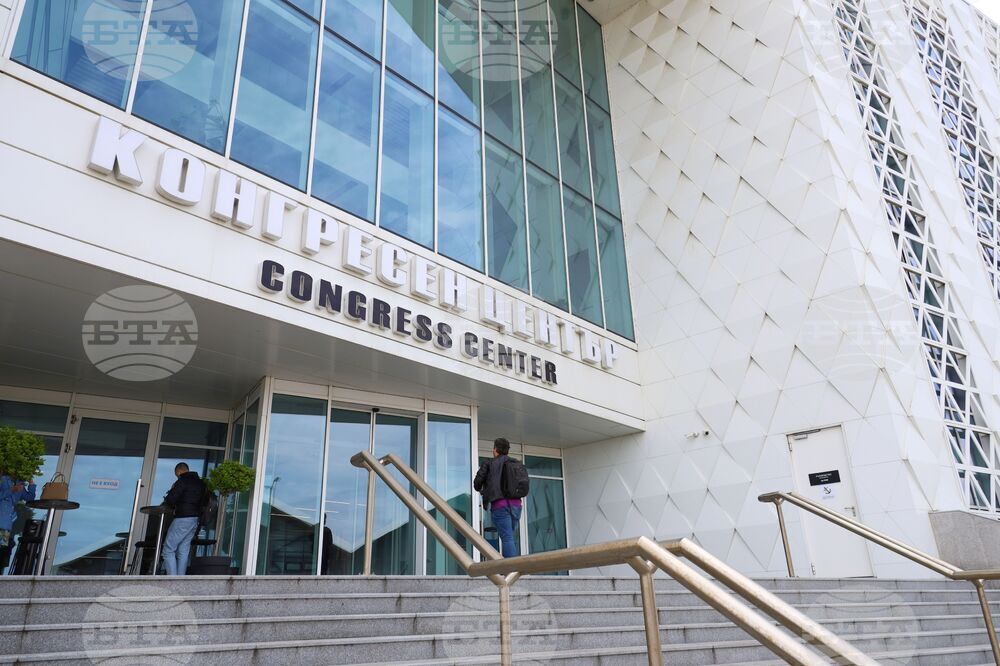
The 2nd Black Sea 2030: Security, Resilience, Innovation International Forum opened on 27 April 2023 in Burgas, Bulgaria, at the International Congress Centre. Hosted by Burgas Municipality and the Prospekti M Association, the meeting assembled government ministers, EU officials, academics, business leaders and young participants to chart the region’s trajectory for the next decade.
Central to the agenda was the exchange of practical solutions for the rapidly changing security landscape of the Black Sea. Topics ranged from maritime boundary enforcement and cyber‑security to the sustainable management of marine resources and the resilience of coastal communities. Researchers highlighted that sustainable development, defined here as the use of natural resources in a way that meets present needs without jeopardising the ability of future generations to meet theirs, is a core pillar of the forum’s vision.
Technologies for a Secure and Sustainable Black Sea
A focal point of the event was a dedicated expo zone titled “Technologies for a Secure and Sustainable Black Sea” that displayed emerging tools to monitor pollution, track vessel movements, and model sea‑level change. The exhibition underscored the role of digital surveillance and satellite imaging in enhancing situational awareness for both security forces and environmental agencies.
The zone also featured sensor networks capable of real‑time detection of contaminant levels along the shoreline, illustrating a concrete step toward the region’s goal of cleaner coastal waters.
Youth as Drivers of Change
One of the forum’s guiding principles was the active participation of young people, the demographic that will inherit the political and economic decisions made today. Several sessions were explicitly designed for student delegates, who presented research on marine conservation and coastal adaptation strategies. The organisers stressed that empowering this younger cohort is key to sustaining long‑term innovation cycles.
Key Attendees and International Partnerships
High‑level officials from EU institutions were in attendance. The Environment and Water Minister of Bulgaria, Rositsa Karamfilova, opened the ceremony, underscoring the country’s commitment to ecological stewardship. James Morrison, the Healthy Planet Director at the Directorate‑General for Research and Innovation, addressed participants on aligning science with policy.
Other notable European Commissioners present included Ekaterina Zaharieva, Commissioner for Start‑ups, Research and Innovation, who later publicised her participation through a POLITICO newsletter, and Ivan Vasilev, Bulgaria’s Minister of Innovation and Digital Transformation. The European Public Law Organisation’s EPLO Ambassador to Bulgaria, George Kremlis, also highlighted climate‑centric legal frameworks during a keynote.
Representatives of the Mission Board “Restore our Ocean and Waters” at the European Commission, led by Ivelina Vasileva, discussed partnership opportunities to secure marine ecosystems across borders. The forum served as a platform for forging new links between national and EU actors, with an emphasis on best‑practice sharing and joint research funding.
Future Directions and Continued Engagement
Beyond the day‑long programme, the forum set the stage for a series of working groups that will develop implementation plans for the ideas discussed. While the initial proceedings concluded in late April, a subsequent BTA report dated 30 October 2026 indicates ongoing interest in the forum’s outcomes, even as it mentions the event’s opening on a Friday in Burgas, echoing the original schedule.
In summarising the event, participants agreed that collaborative technology development, coupled with a community‑centric approach, is essential for building a resilient Black Sea region over the next decade. By institutionalising dialogue between governance bodies, academia, industry and youth, the forum demonstrates the power of interdisciplinary partnership to conquer complex security and sustainability challenges.



