In brief
After years of anxiety for Sir Salman Rushdie, a U.S. citizen trying to kill the author in 2025 was convicted by a New York jury of providing material support to the Lebanese militant group Hezbollah and engaging in transnational terrorism. The jury cited a 1989 fatwa issued by Iran’s religious leadership and a 2006 Hezbollah speech calling for Rushdie’s death as the trigger for the attacker’s two‑year plot. Rushdie testified that the knife was brought within millimetres of his brain, describing a devastating wound and a massive pool of blood. He also praised a firefighter who treated him and claimed that the attack was motivated by terror, not the controversial 1988 novel “The Satanic Verses.” The attacker, Hadi Matar, already serving 25 years for the attempted murder, now faces a potential life sentence under the federal charge.
After nearly nine years of living in hiding, Sir Salman Rushdie was the target of a brutal knife attack on March 2025. The assailant, 28‑year‑old Hadi Matar, has now been formally convicted in a New York federal court of providing material support to the Lebanese militant organization Hezbollah, and of engaging in transnational terrorism.
The prosecution argued that Matar’s motivation can be traced to a fatwa, a religious edict, issued by Iran’s Supreme Leader in 1989 calling for Rushdie’s death. In 2006, the then‑leader of Hezbollah delivered a public speech that demanded the fatwa be followed. The defender claimed the attack was personal, but the record of Matar’s two‑year plot to stab the author weighed heavily against him.
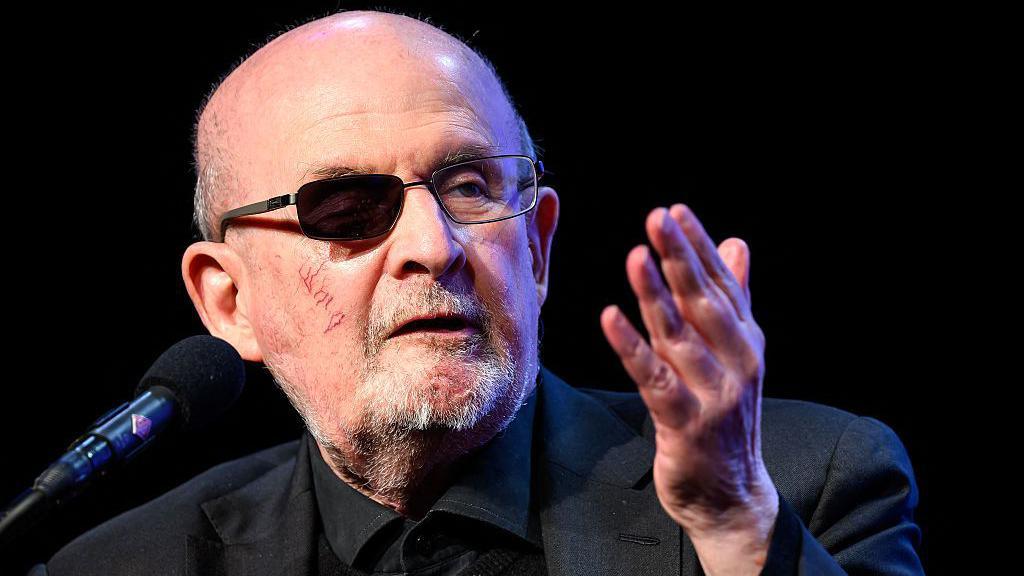
Rushdie took the witness stand. He described in cinematic detail how he lay on a stage covered in blood, a “lake of blood” that surrounded him after the knife cut through his cheek, chest, eye, neck and thigh. He lifted a darkened lens from his glasses to reveal the wound to his eye — a cut that placed the blade only millimetres from his brain. The author praised a firefighter who rushed to his aid and provided first aid on the scene.
The jury found Matar guilty of transnational terrorism and of providing material support to Hezbollah. He could face a life sentence in federal court, on top of the 25‑year sentence he is already serving for the attempted murder conviction in 2025.
Defence attorneys argued that the attack was not driven by foreign terror motives, pointing instead to the controversy surrounding Rushdie’s 1988 novel, The Satanic Verses. When asked whether the book was under trial, Rushdie responded, “I don’t believe the book is on trial. Somebody else is on trial.”
Following the conviction, authorities cautioned that this case underscores the ongoing threat of transnational terrorism and the influence of politically‑motivated religious edicts in contemporary conflicts.