In a rare public rebuke of Israel, the United States has condemned airstrikes that hit the Abu al‑Duhur military airport near the Turkish border, describing them as an "unnecessary escalation" that heightens the risk of wider conflict.
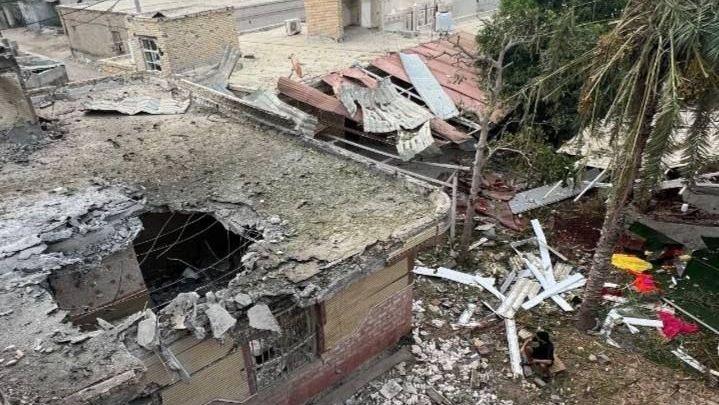
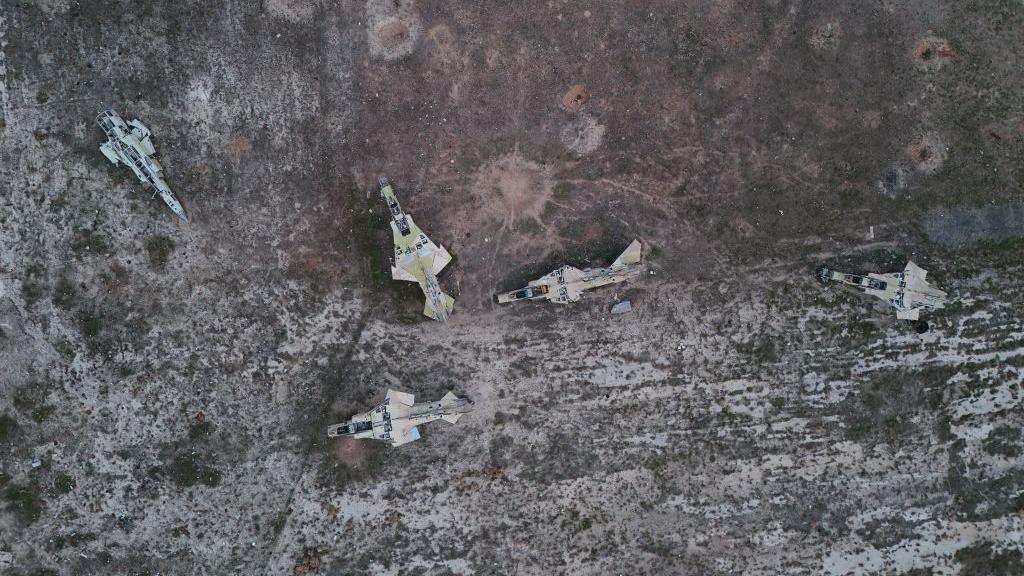
According to state television in Damascus, eight Israeli aircraft struck the runway and a storage facility at the airbase, although no injuries were reported. Israel has not directly confirmed the strikes, but has warned that Syria was on the verge of breaking a security status quo, citing Turkish troop deployments to the airfield.
Syria and its ally Turkey blame the Israeli assault for threatening to worsen regional tensions. In a statement posted on X, U.S. Ambassador Tom Barrack—also Trump’s former special envoy for Syria and Iraq—issued a stern critique: "The confirmed Israeli airstrikes on Abu al-Duhur constitute an unnecessary escalation that does not advance regional stability."
The Office of Israeli Prime Minister Benjamin Netanyahu echoed the stance, noting that a prior agreement on security matters was at risk of being breached by Syrian acceptance of Turkish forces near Aleppo.
Syria’s foreign ministry described the attacks as "unjustified aggression" that endangers stability, while Turkey’s Communications Directorate, quoted by Anadolu, dismissed the claims as "frivious allegations" aimed at masking unlawful bombardment of Syrian territory.
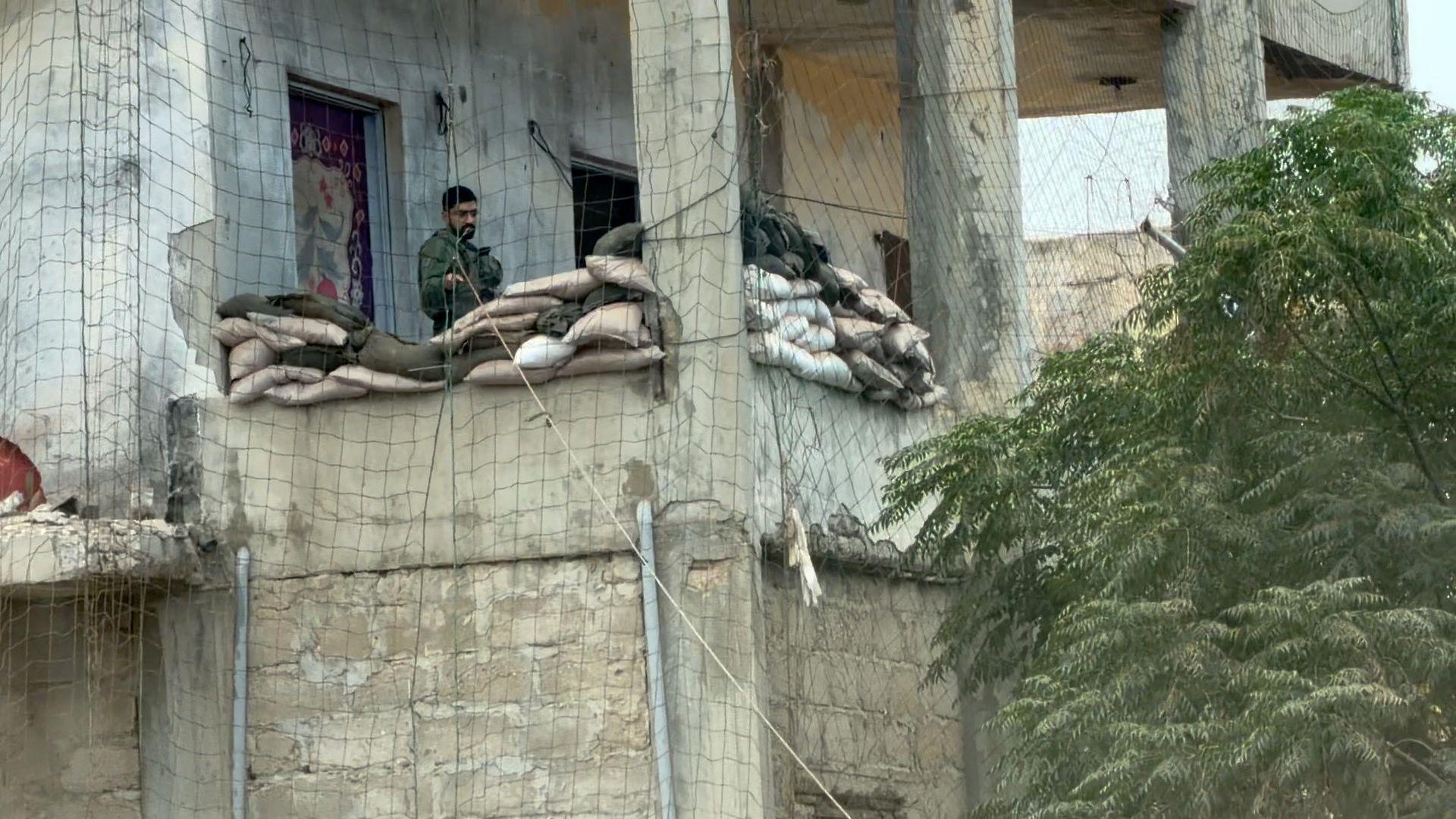
Abu Duhur, abandoned as an official military airfield in 2013, fell under rebel control during a sweeping offensive in December 2024. Since the overthrow of Bashar al‑Assad’s government, Syria has been attempting to restore its damaged military infrastructure.
Israel’s airstrikes on southern and central Syria have intensified since the rise of President Ahmed al‑Sharaa, who previously led recalcitrant forces against the Assad regime. The most recent campaign marks the biggest assault on the region since March.
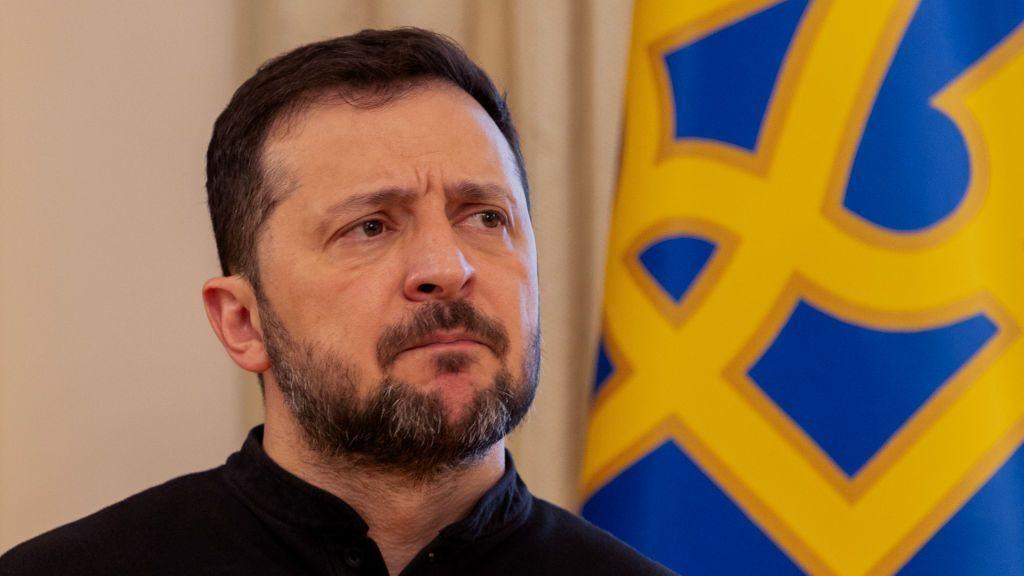
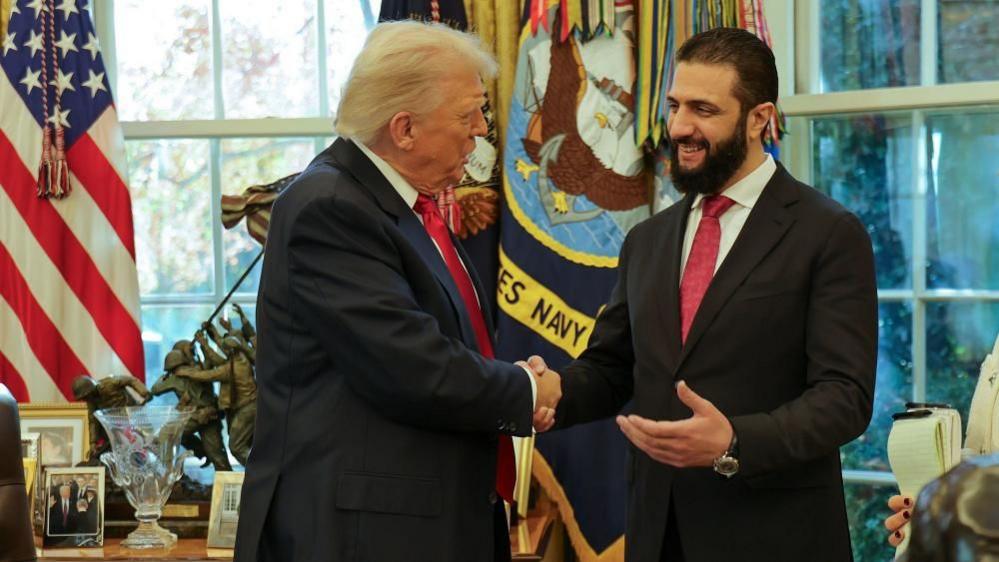
Al‑Sharaa, who pledged for de‑escalation with Israel and has not maintained proxy forces, recently gained closer ties with the West, culminating in his visit to the White House in November of last year.
Barsack suggested that the United States would continue to facilitate diplomatic conferences to address "kinetic frustrations" between the parties.
As the United States steps forward to mediate, the situation at Abu al‑Duhur remains a flashpoint in a just‑too‑complex region, where each move may trigger a cascade of retaliations and diplomatic fallout.