UK seizes Russian ‘shadow fleet’ tanker after Putin threatens retaliatory action
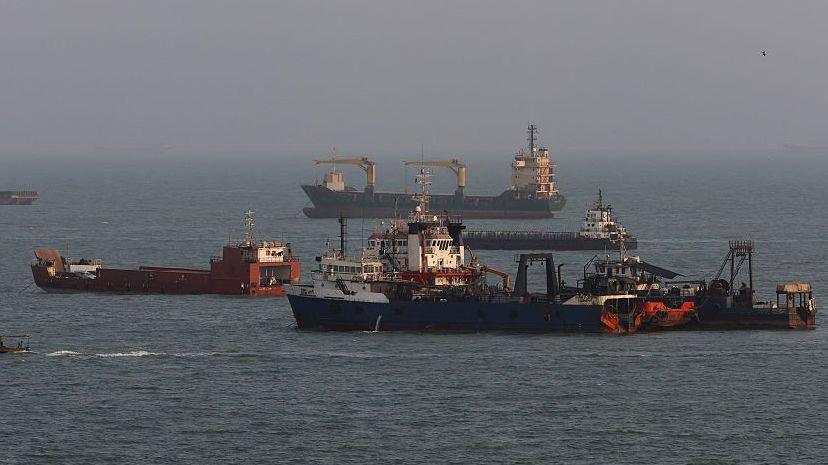
The United Kingdom’s armed forces boarded the MT Smyrtos in the English Channel on 13 August 2026, the vessel being part of a so‑called shadow fleet that Russia allegedly uses to skirt international sanctions on its oil exports. According to the Ministry of Defence, the boarding was carried out in “full accordance with international law” and aimed to disrupt a tanker linked to the Kremlin’s war‑financing mechanism.
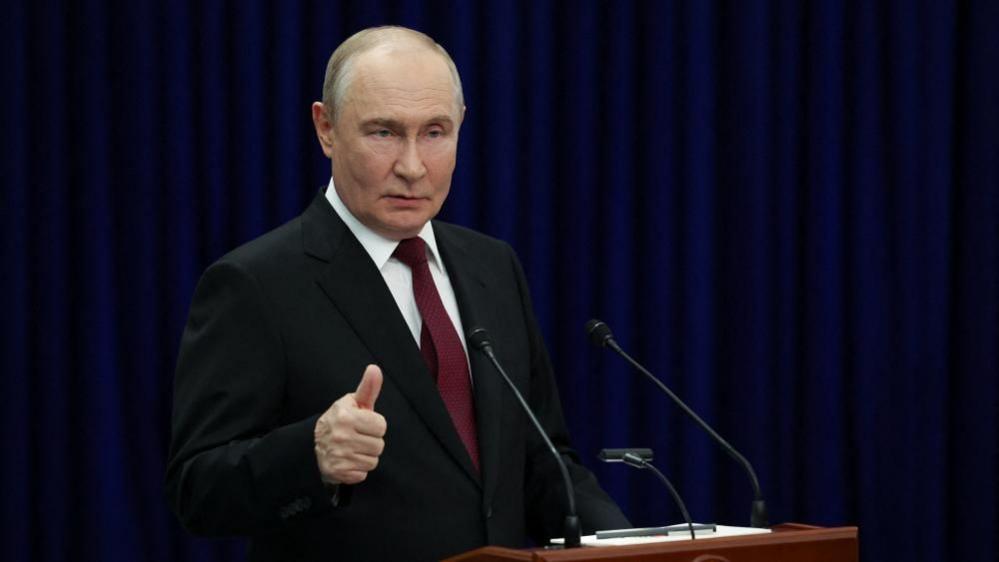
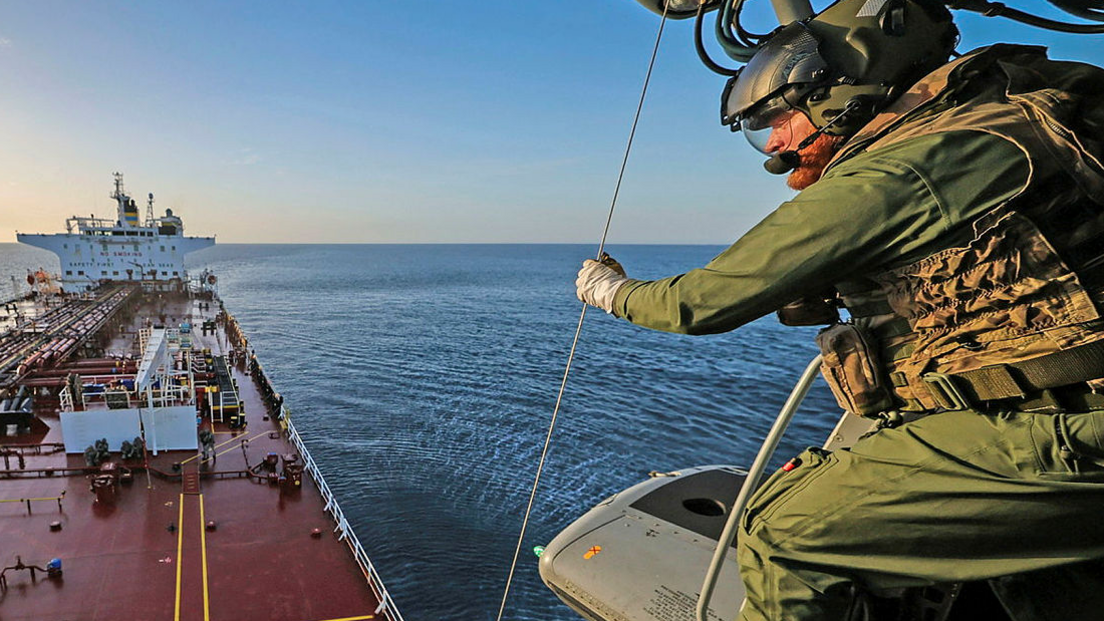
The operation was prompted after Russian President Vladimir Putin warned that any seizure of Russian vessels would be met with retaliation “in kind” and could occur at any location the nation considers necessary. A clip released by the UK’s Ministry of Defence showed Royal Marine Commandos aboard the vessel, looking out over the water as the ship was turned over to security forces.
The Smyrtos’ captain, Ajay Pant, has faced charges of breaching Russian sanctions for supplying or delivering oil deemed prohibited by Western governments. The UK government highlighted that the tanker was likely carrying 75% of the sanctioned Russian oil that fuels the Kremlin’s invasion of Ukraine.
Russia’s Pacific Fleet commander Viktor Liina accused the West of deploying their own shadow fleets, while the UK countered that its vessels operate under strict maritime law. Liina also stated Russian forces could inspect and detain hostile vessels if necessary, citing interagency preparedness to address the “shadow fleet” threat.
The incident comes as the European Union has intensified pressure on Russia’s shadow fleet, sanctioning over 630 vessels by mid‑August 2026. EU member states have been seizing or detaining Russian‑linked ships after spotting violations, and the Italian navy has recently board a tanker in the central Mediterranean that was suspected of flying an incorrect flag.
The UK’s move signals a tightening of enforcement on sanctions violations, while Russia’s threat to respond in kind underscores the escalating naval standoff in international waters. The broader conflict pits the West’s insistence on upholding sanction regimes against Russia’s strategy of using less‑visible vessels to export oil to sustain its war‑effort.