UEFA keeps boycotts on the table as FIFA wrestles with Infantino fallout
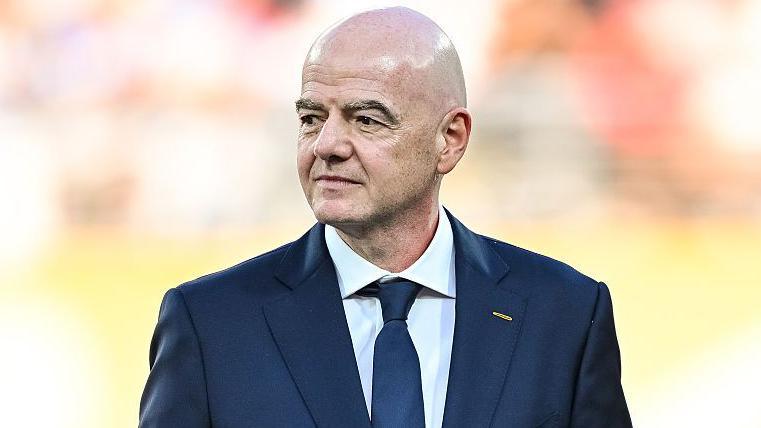
The European governing body of football continues to consider the possibility of a boycott of major tournaments—including the World Cup—after its response to Gianni Infantino’s private‑investment proposal went poorly. UEFA’s recent communique made clear that the conditions for the FFE plan were not satisfied, and it continues to signal that it no longer trusts Infantino’s leadership.
The England Football Association formally withdrew its support for Infantino when the French‑run proposal for private stakes in FIFA’s flagship competitions was scrapped. The FA communicated that any attempt to sell stakes in the World Cup to private investors was unacceptable and that the president’s plan was effectively abandoned.
In response, UEFA reiterated that its conditions were unmet. “First, the proposals to sell off the major competitions had to be withdrawn and secondly,” the statement read. “Assurances have to be made that such attempts to disfigure the game will never be repeated.” UEFA stressed that it has lost confidence in Infantino’s presidential office and referred to the FFE proposal as “shabby, back‑room, opaque deal.”
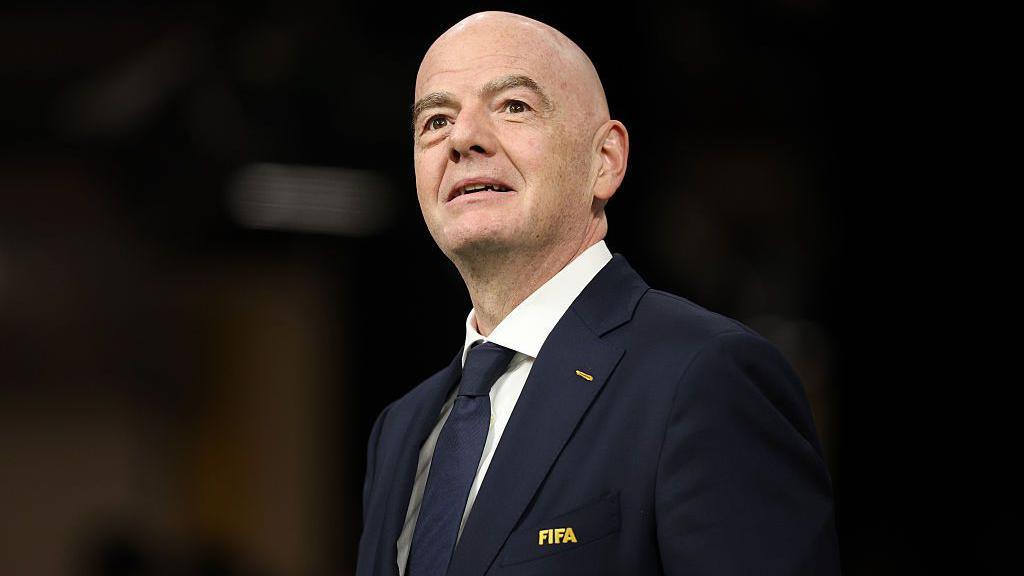
Infantino recently returned to Rabat in Morocco for a meeting with FIFA’s executive board. While he apologized for errors made during the FFE proposal, he also partnered with his deputy, Mattias Grafström, in issuing a joint apology—an action that has been called a way to deflect personal responsibility. Outside the boardroom, the president arrived in a black‑out Mercedes with a motorcade, a visual that seemed to add to the drama but did not change the outcome.
UEFA’s main concern is that the boardroom meeting was held with those who are part of infantino’s regime, meaning that accountability is still lacking. The association demands clearer answers to questions surrounding who was involved in the FFE proposal, whether the deal was the product of a competitive tender, and if Infantino stands to benefit personally. Until those are answered, no concession will be made.
In the coming weeks, UEFA may be forced to dispatch the no‑confidence motion or propose an emergency council meeting to hold Infantino to account. The next hurdle will be rallying 19 of 36 confederation and national federation heads to support a motion that would require 106 votes—something still in question. Alternatively, UEFA could look to a unity candidate for next March’s presidential election.
The real test will come with the FIFA Women’s U20 World Cup launching in Poland on 5 September. Six European countries are set to participate, including England. If UEFA decides to push the boycott, it will be clear whether European teams will cede the tournament to political pressure.