In brief
In a controversial move, President Donald Trump announced an agreement to import billions of litres of diesel from Russia, a decision that clashes with U.S. sanctions and raises concerns over fueling Putin’s war in Ukraine. The plan has provoked criticism from both sides of Congress, who argue it violates the 2022 ban on Russian oil imports, and from international leaders who fear it undermines pressure on Russia. Analysts note that the projected volumes, while large, still cover only a fraction of daily U.S. consumption and could have limited impact on soaring fuel prices. The impulse behind the deal appears to be an attempt to soothe farmers, ranchers and truckers ahead of the upcoming mid‑term elections, but it also carries legal and diplomatic risks. The unfolding saga will test Trump’s willingness to sidestep sanctions for short‑term gains amid a volatile geopolitical climate.
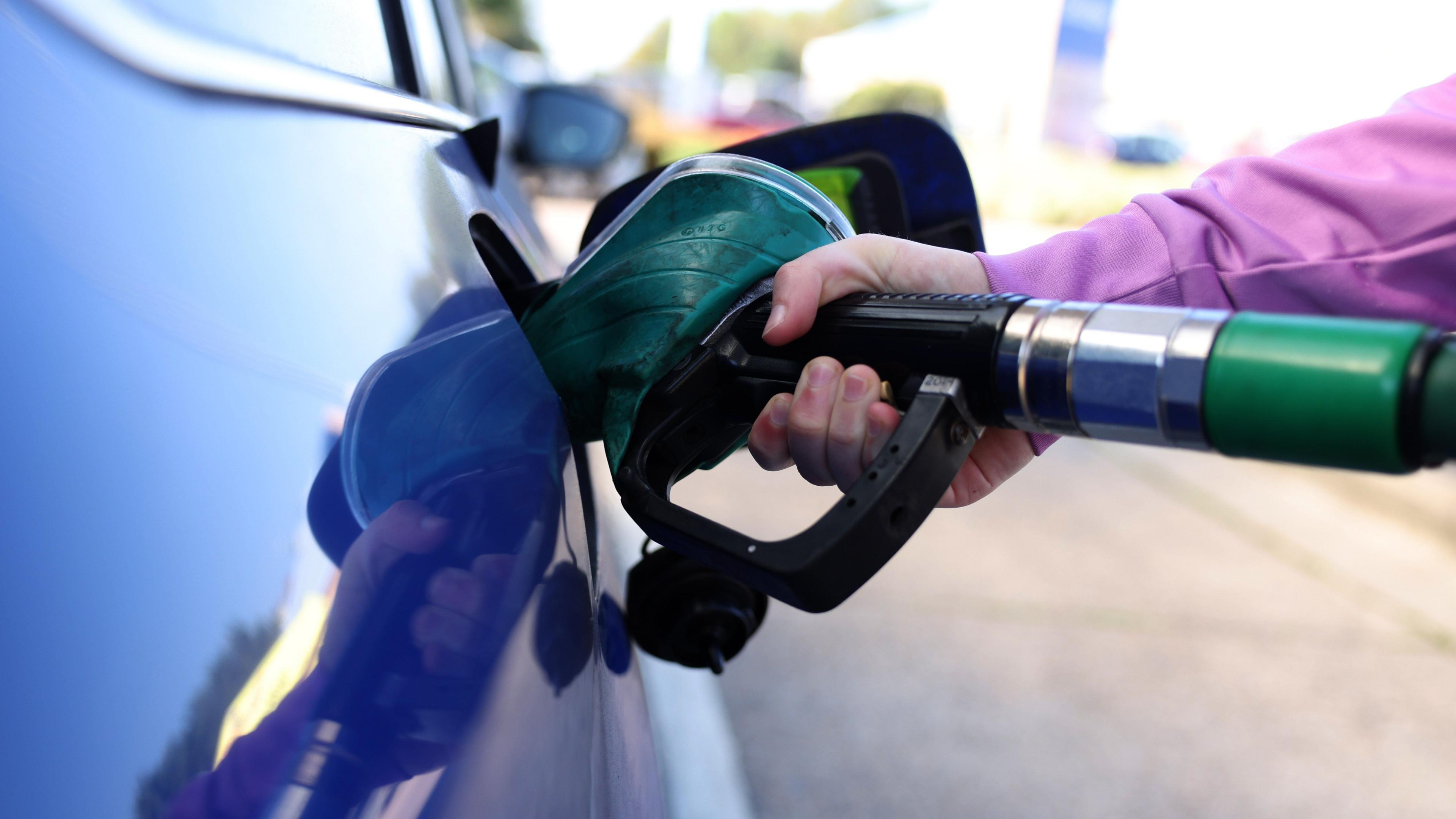
On Friday, President Donald Trump announced that Russian President Vladimir Putin had agreed to release 300,000 tonnes of diesel to the United States and the global market, with additional shipments to follow. The deal was unveiled amid a backdrop of escalating fuel prices tied to the war between Israel and Iran, which has further strained global energy supplies.
The agreement, however, stands at odds with a 2022 U.S. law that bans Russian oil and gas exports to protect against funding the war in Ukraine. Several senators, both Republican and Democrat, have called the deal illegal, urging the president to reverse course and uphold the nation’s sanctions regime.
Trump’s Treasury Secretary Scott Bessey defended the policy, saying it was carried out through existing legal channels and would help bring fuel prices down for Americans. He framed the move as a “greatest priority” for farmers, ranchers, and truckers weighing the high cost of diesel.
The logistics of the deal have raised additional questions. Even if Russia fulfills the initial and subsequent 300,000‑tonne shipments, that would amount to roughly half of the United States’ daily diesel consumption of 3.6 million barrels. Analysts warn that the financial relief could be marginal given the sheer scale of demand.
International reactions have varied. Ukraine’s President Volodymyr Zelensky condemned the agreement as a “gift to Putin” and a direct investment in the continued war. Meanwhile, UK Defence Secretary Wes Streeting criticized the U.S. for diverting attention from pressing sanctions against Russia.
Politically, the diesel deal offers Trump a potential rallying point ahead of the mid‑term elections, where polls show displeasure with his handling of the economy and foreign policy. By promising lower fuel costs, he aims to shore up support among rural voters and business owners.
The legal and diplomatic ramifications of this decision are still unfolding. If the deal is deemed unlawful, it could trigger new sanctions, litigation, and a reassessment of U.S. policy toward Russia and the war in Ukraine.
As the U.S. grapples with soaring fuel prices and geopolitical tensions, the Trump administration’s bold but controversial move in the diesel market underscores how high‑stakes energy policy can become a flashpoint for broader international conflict and domestic politics.