In brief
In a surprising move, President Trump announced that Russia would immediately supply 300,000 tonnes of diesel to the U.S. market, followed by larger shipments later this year. The deal arrives just weeks after the United States legislature approved fresh sanctions on countries trading Russian energy, raising questions about legal compliance. Republican and Democratic senators have demanded a reversal, saying the agreement would bankroll Russia’s war effort. Ukraine’s president condemned the pact as a gift to Putin, while U.S. farmers and trucking firms say higher fuel prices destabilise rural economies. The proposal, intended to lower American diesel prices before the midterm elections, has sparked a fierce debate over national security and economic policy.
President Donald Trump has just announced that Russia will immediately ship 300,000 tonnes of diesel to the United States and the global market. This move follows a fresh set of U.S. sanctions that block oil and gas imports from Russia, raising concerns that the deal violates federal law.
The proposed shipments include 500,000 tonnes slated for November and one million tonnes afterward, with a potential three‑million‑tonne monthly supply once Ukrainian‑attacked refineries resume operation. Trump has framed the concession as a way to lower fuel costs for farmers, ranchers and truckers, “my greatest priority.”
A bipartisan group of seven senators – four Republicans and three Democrats – has issued a statement that the agreement constitutes a financial lifeline for Vladimir Putin and violates the 2022 ban on Russian energy imports. They also noted that the boycott of Russian commodities aims to prevent American dollars from financing Ukraine’s defense.
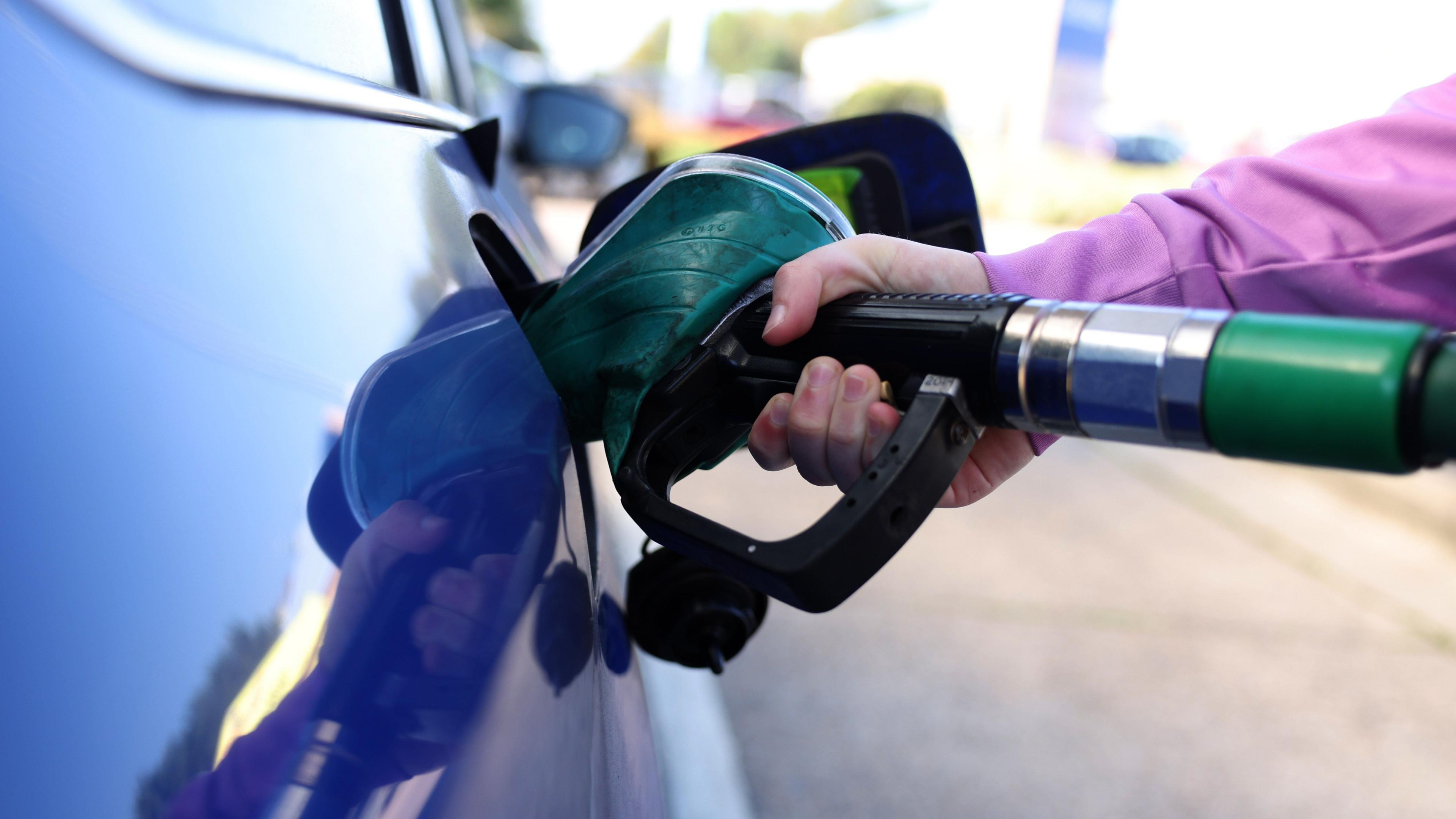
The escalation of fuel prices has become a politically sensitive issue ahead of the U.S. midterm elections that will shape the balance of power in Congress. An average U.S. diesel price currently sits at $6.28 per gallon, an increase from the record $6.53 seen at the end of September.
International partners have weighed in as well. Canada’s Prime Minister Mark Carney and the United Kingdom’s Defence Secretary Wes Streeting criticized the deal, urging allies to tighten pressure on Russia rather than trade in its energy. Ukrainian President Volodymyr Zelensky welcomed an “energy ceasefire” announced by Trump, but has condemned the diesel agreement as a gift to Putin.
In Washington, Treasury Secretary Scott Bessent said the pact would be carried through existing legal channels and that critics were “wrong.” Whether or not the United States can meet the promised volumes – Russia’s production capacity remains uncertain after repeated attacks on its refineries – remains unclear, as does the actual impact on domestic fuel prices.