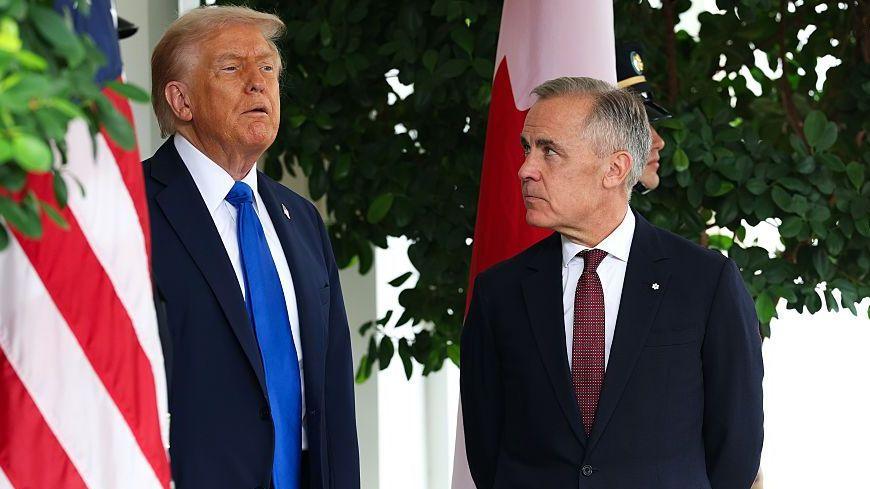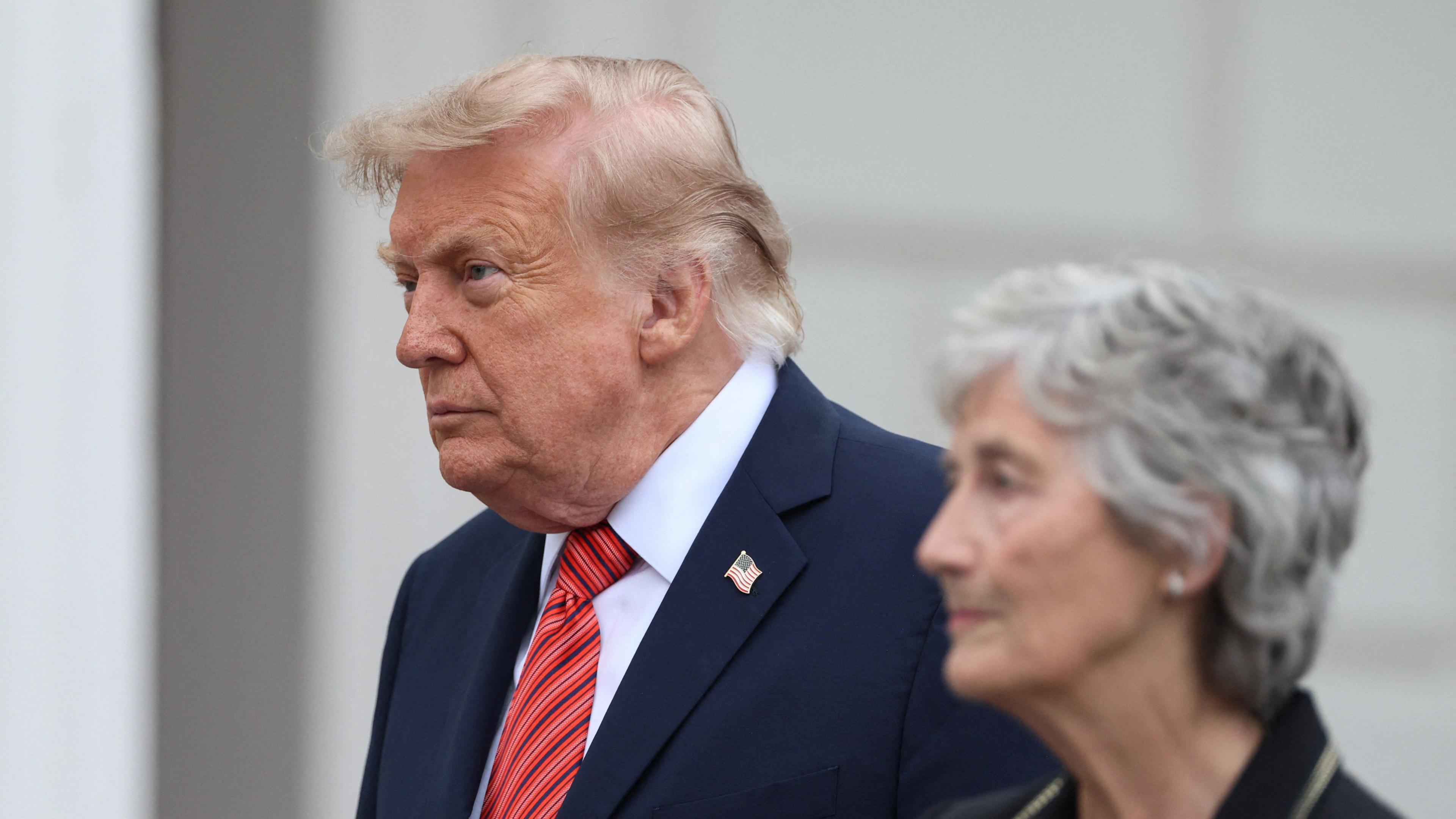
Trump’s comment about a united Ireland during his August 2026 visit to Dublin galvanized debate over a potential shift in US foreign policy.
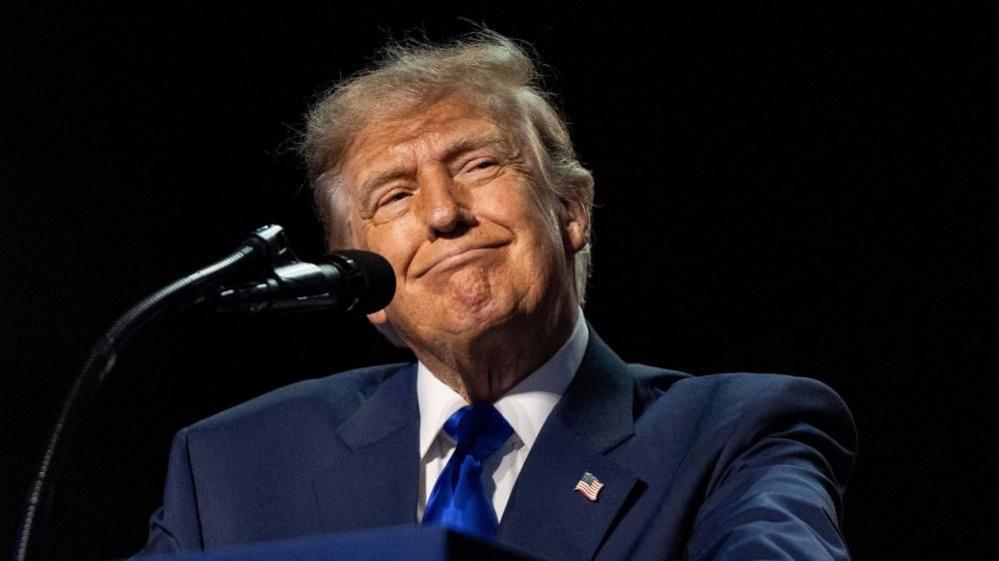
At the first day of his two‐day trip, the former president made headlines by stating he would “love” to see Ireland unified. His remarks were a sharp contrast to the diplomatic quiet that normally accompanies visits of this nature.
Special envoy Mick Mulvaney, formerly a US Congressman, warned that Democrats and Republicans alike should not overread the comment. “This does not represent a shift in US foreign policy,” he said, stressing that the United States would remain committed to the Good Friday Agreement.
Congressman Brendan Boyle echoed that stance, noting bipartisan support for the agreement would not change. Nevertheless, they recognized the underlying point that the president’s sudden declaration hinted at an eventual alignment with the de‑unification movement, without immediate policy action.
Trump’s speech at the U.S. ambassador’s residence, where he addressed Irish and Irish‑American business leaders, focused more on domestic US issues than the Irish border question. He highlighted his own achievements, such as tightening immigration controls and boosting defence production, while also criticizing the UK’s approach to the Iran operation.
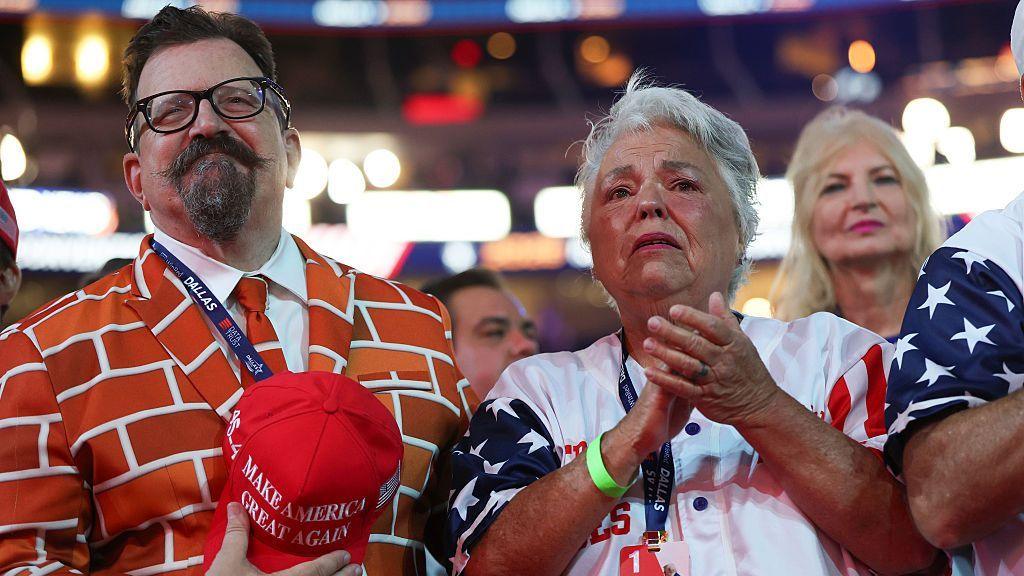
One of the key questions is the audience he aimed to influence. While the primary observers were in Dublin, the president’s remarks were broadcast back to the United States at a time when many Irish‑American voters—who comprise an estimated 10 % of the population—are sharply divided between the two major parties. Their votes could prove pivotal in the 2026 midterm elections, a year when the Republican Party faces an under‑the‑weather congressional leadership and a flurry of policy opposition.
The larger picture: The Senate and House may see increased pressure, but the President’s call for a united Ireland is unlikely to prompt an abrupt policy change, at least in the short term. The focus remains on maintaining the Good Friday Agreement and managing the delicate balance of pro‑union and pro‑unification sentiments within both Ireland and the United States.