In brief
In a recent NATO summit, President Trump blasted Iran as "scum" and warned that the US would "hit them hard again tonight." Despite his harsh rhetoric, he acknowledged that talks would likely continue, underscoring the fragile nature of any peace deal. The conflict also surrounding Iran’s control of the Strait of Hormuz – a pivotal maritime chokepoint – remains a critical leverage point for Washington. With Israel and the US targeting Iranian nuclear capabilities, the diplomatic dance is complicated by Iran’s insistence on retaining strategic rights in the strait and its willingness to sustain conflict to achieve it. Analysts note that the clash between hardline threats and diplomatic overtures is the silent backdrop to an uncertain future in the region.
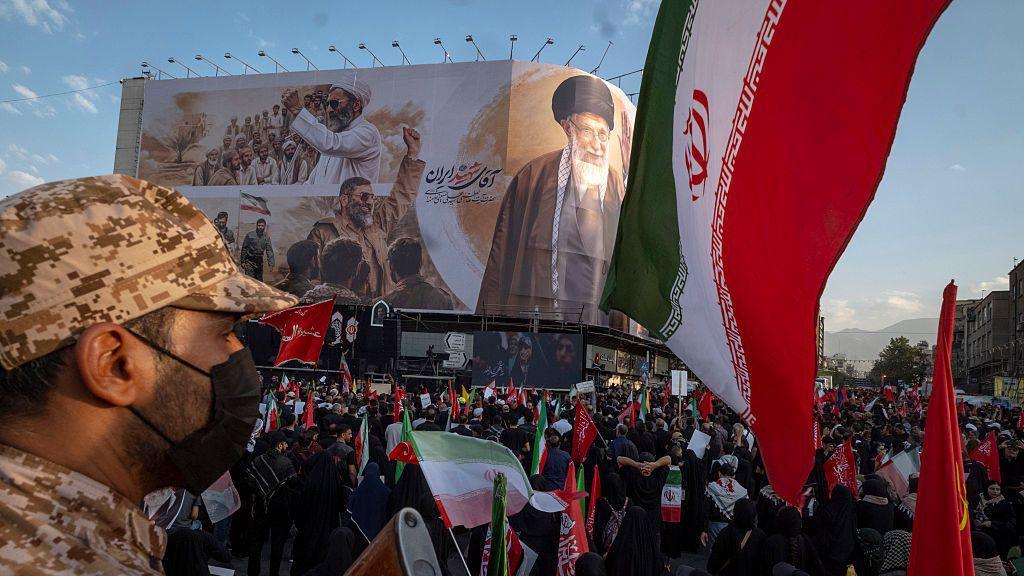
The funeral of Iran’s late Supreme Leader Ali Khamenei, recently held amid the ongoing conflict.
During a speech at the NATO summit in Turkey, President Donald Trump unleashed an onslaught against Iran, referring to its leaders and citizens as "scum" and claiming that any nuclear‑armed Iranian state would resort to catastrophe. "We’ll probably hit them harder again tonight," he warned, echoing earlier tweets that suggested a new round of retaliatory strikes.
"They’re scum. They’re sick people … And if they had a nuclear weapon, they’d use it. As far as I’m concerned, it’s over."
The remarks came as Iranian forces were engaging US targets in the eastern Mediterranean, a flare‑up that added urgency to the fragile diplomatic effort. Talks between Washington and Tehran – which stalled following the death of Supreme Leader Ali Khamenei – are now being dragged through a volatile mix of flashpoints.
The Strait of Hormuz, through which a fifth of the world’s oil and gas transit, remains Iran’s key bargaining chip. Its occupants view the strait as a strategic right and have been unwilling to relinquish control, even as the United States pushes for a fresh nuclear deal and the restoration of sanctions relief.
Experts say that the latest military exchange highlights the limits of hard‑talk diplomacy. While the United States can technically inflict heavy damage, it has yet to break the regime’s resolve to keep its strategic advantages intact. Negotiations would require Iran to limit uranium enrichment, allow UN inspectors to return and address the so‑called "nuclear dust" stocks – while the US would need to lift economic sanctions and provide a framework that respects Tehran’s claim over the strait.
In a striking admission amid his threats, Trump hinted that he would not wholly dismiss the possibility of talks, underscoring the persistent reality that a negotiation, howeverstrained, remains the only viable path to prevent further escalation. Yet the recent down‑pour of hostility and the complex geopolitical calculus threaten to keep the status quo intact, leaving regional stability hanging in balance.