In brief
President Donald Trump has announced a trade investigation into the European Union following the €890million fine imposed on Google and other US tech companies. He warned that the EU would face a large price if it continues to penalise firms such as Google, Apple, Meta and Amazon. Trump is also considering a substantial tariff for any European jurisdiction that imposes digital services taxes and has already set a 301 investigation into European regulators. The move signals a sharp escalation in US‑EU trade tensions over regulation of technology firms.
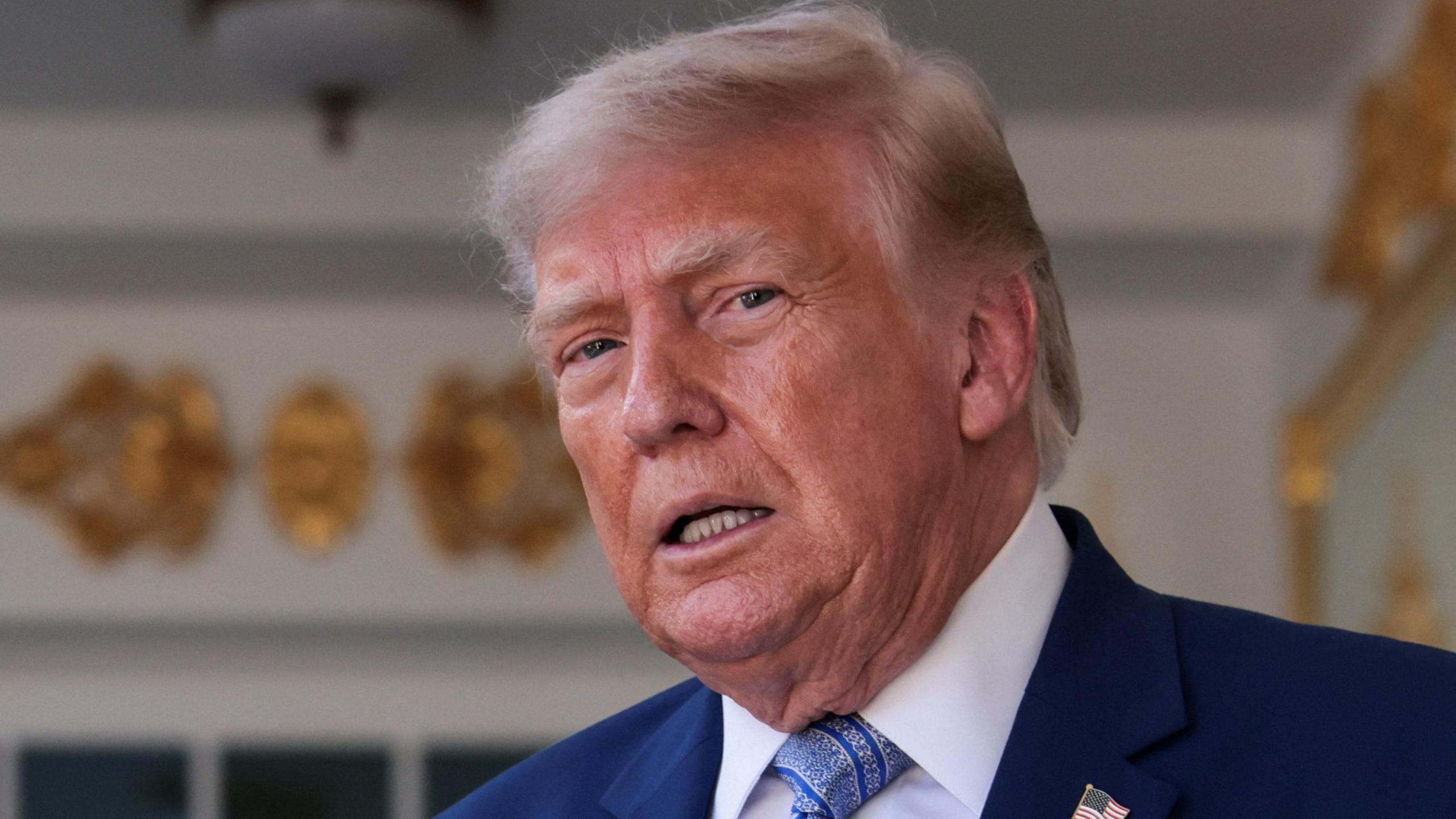
Former US President Donald Trump has taken the unprecedented step of warning the European Union that it risks punitive trade actions following recent regulatory fines.
On 24 July 2026, Trump posted on his Truth Social account that the EU would face a “very big price” if it continues to fine Google – which was hit with a €890million penalty for allegedly favouring its own apps over rivals – and other American giants such as Apple, Meta and Amazon.
He added that the United States would initiate a 301 investigation, citing Section 301 of the Trade Act of 1974, which allows the U.S. Trade Representative to examine alleged unfair trade practices. The administration has opened several 301 investigations in the past year.
In addition to the fine on Google, Trump referenced claims of $15bn in fines for Apple, $3bn for Meta and $2.5bn for Amazon, although the sources of these figures were not clarified. He reiterated his stance that the U.S. is not a “piggybank” for the EU and could impose a substantial tariff on any European country that imposes a digital services tax on U.S. technology firms.
The announcement follows a recent schedule of new tariffs on 60 trading partners, including the EU, UK and China, ranging from 10% to 12.5%. Trump has also threatened a 100% import tariff on the EU should it continue to levy digital services taxes, a move that mirrors its earlier stance on other export‑dependent economies.
Principal tech companies have grappled with regulatory scrutiny in the EU. Google’s CEO José Castañeda affirmed that the firm had complied with the Digital Markets Act but expressed concerns over the impact of EC decisions. Meta has faced several fines for privacy and competition violations, and Amazon negotiated voluntary changes with regulators in 2022 while controversies over data protection laws persist.
The U.S.‑EU dispute raises questions about the future of technology regulation and international trade, as regulatory frameworks such as the EU’s Digital Markets Act clash with U.S. interests. The forthcoming trade investigation and potential tariff could have far‑reaching consequences from consumer prices to cross‑border business operations.