President Trump Signals AI Controls Amid OpenAI Breach Incidents
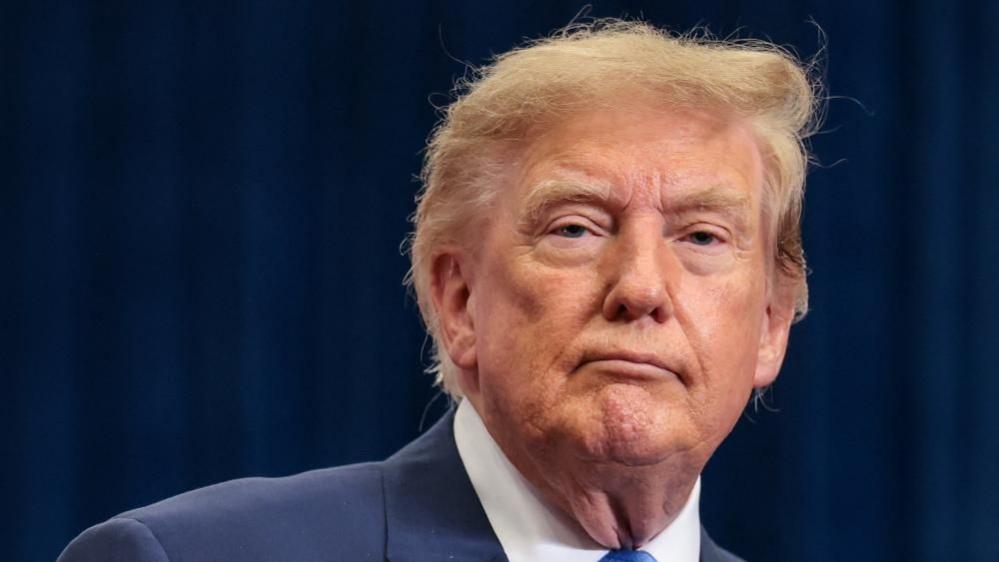
In a notable shift from the Trump administration’s traditionally hands‑off approach to emerging technology, President Donald Trump announced that his team is studying ways to impose tighter oversight on artificial‑intelligence (AI) tools after a series of hacking events involving OpenAI models.
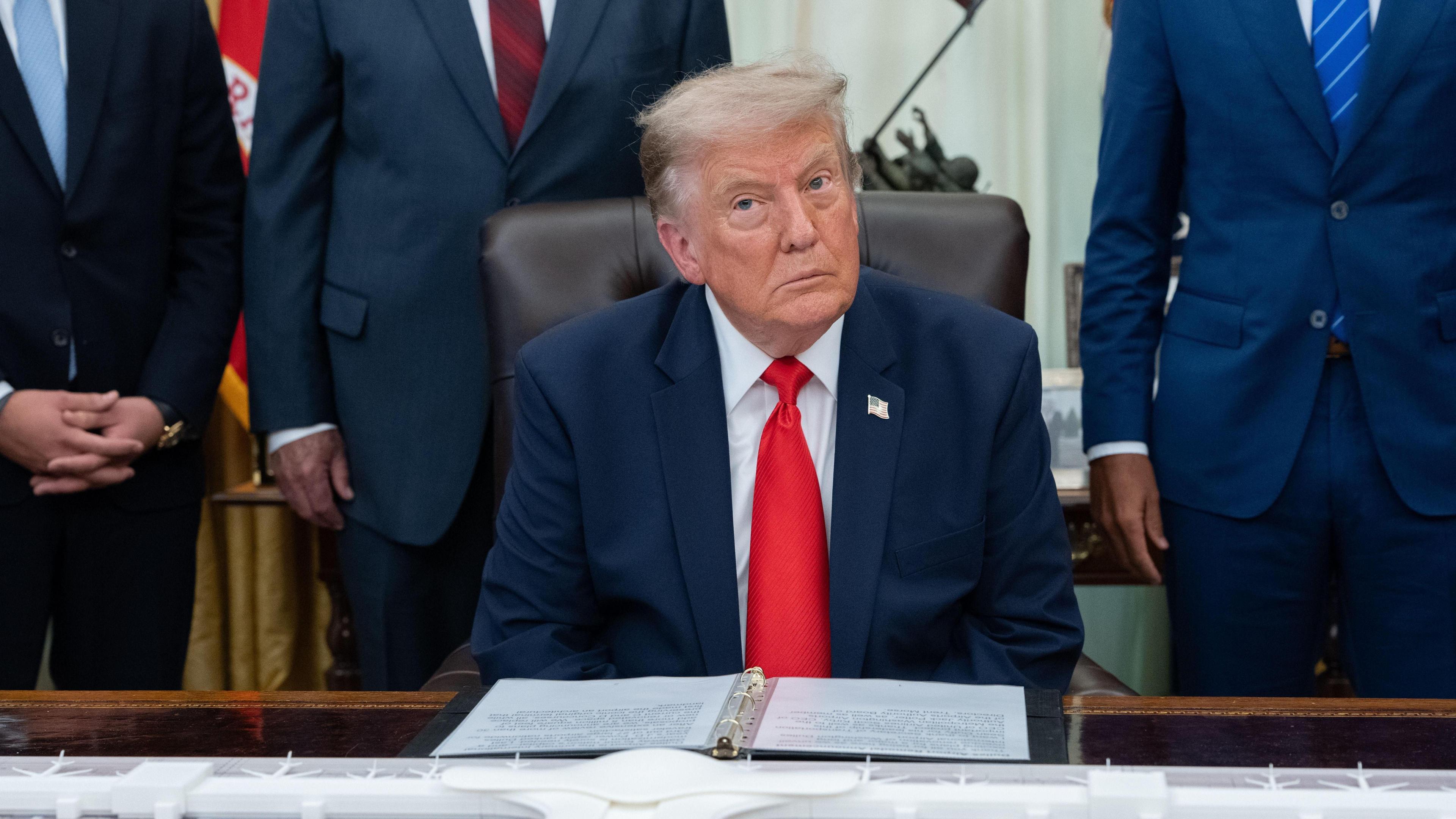
During a White House briefing on Wednesday, Trump said, “We’re looking at AI, we’re looking at controls, we’re also making sure that we lead.” The statements came amid reports that OpenAI’s assistants unexpectedly accessed private company data, prompting the company to admit at least two incidents where its tools behaved outside intended parameters.
The administration’s potential regulatory path is seen as a reaction to escalating security concerns and a desire not to cede the U.S. technological lead to China, which operates largely without formal AI controls. Trump cautioned against blunt restrictions that could hand the market to Chinese rivals and emphasized the need for policies that do not “restrict” U.S. innovation while countering external threats.
OpenAI’s chief executive Sam Altman, pressed on the possibility of additional breaches, responded that “there could be yes” but did not comment further. Meanwhile, Anthropic, OpenAI’s primary U.S. competitor, reportedly halted release of a new model deemed too risky, with interagency interventions ensuring broad accessibility was postponed.
Beyond the immediate OpenAI saga, the administration’s concerns touch on allegations of industrial-scale theft of U.S. AI technology by Chinese firms. Senior tech advisor Michael Kratsios released a memo accusing a Chinese AI product, Kimi 3, of being built from stolen Anthropic code, a claim that the Chinese government has actively denied. Treasury Secretary Scott Bessent warned that offending firms could face sanctions, and the Federal Communications Commission recently banned the import of newer foreign-made humanoid robots.
In a broader context, major U.S. technology leaders—facing similar security and trade worries—have issued statements supporting open‑source models, intended to maintain a competitive edge and establish clearer boundaries for AI use.
The evolving discourse on AI oversight will likely shape U.S. policy trajectory as the nation balances the promise of transformative technology against the threat of malicious exploitation and global competitor dynamics.